




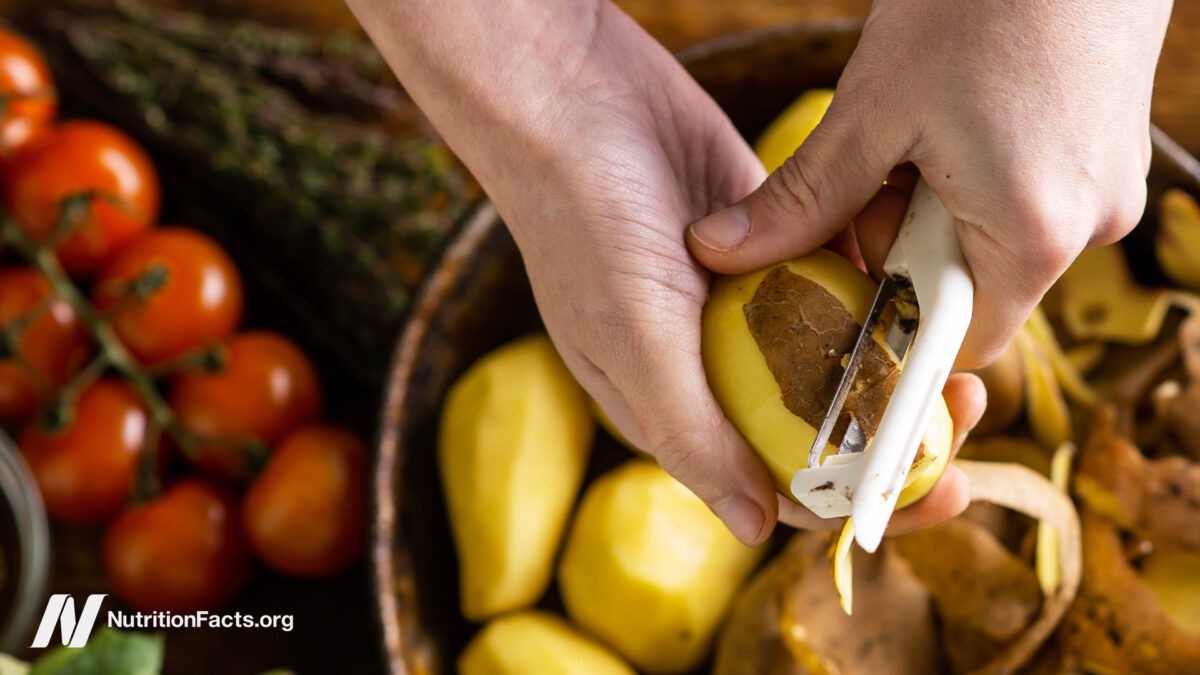
Potatoes occupy a controversial space in nutrition. While they provide essential nutrients like potassium and vitamin C, they are often criticized for their high glycemic index—a measure of how quickly a food raises blood sugar levels. However, recent nutritional science suggests that how you prepare and store your potatoes can fundamentally change their impact on your health.
The Glycemic Dilemma
For many, the primary concern with potatoes is their link to metabolic issues. High-glycemic diets are robustly associated with the development of type 2 diabetes. While boiled or baked potatoes do not appear to significantly impact blood pressure, they still maintain a “pesky” connection to diabetes risk.
When compared to other whole plant foods—such as nuts, legumes, and intact grains—potatoes fall short in terms of longevity. Unlike these nutrient-dense foods, which are associated with reduced risks of cancer and cardiovascular disease, potatoes do not offer similar protective benefits against mortality. This creates an opportunity cost : every serving of white potato consumed is a missed opportunity to eat a food that actively promotes a longer life.
The Science of “Resistant Starch”
The metabolic downside of potatoes is largely due to their starch structure. However, there is a way to chemically alter this structure through temperature manipulation.
When you boil potatoes and then place them in the refrigerator to cool, a process occurs where some of the starch crystallizes. This creates resistant starch —a type of carbohydrate that your digestive enzymes cannot easily break down. Because this starch resists digestion, it is not absorbed as quickly into the bloodstream.
The Impact of Temperature
The results of utilizing this “chilling effect” are significant:
– Lower Glycemic Impact: Consuming cold potatoes (such as in a potato salad) can result in a nearly 40% lower glycemic impact compared to hot potatoes.
– The Reheating Hack: You do not strictly need to eat them cold to reap the benefits. Research suggests that cooling potatoes and then reheating them may offer the “best of both worlds.” This method maintains the resistant starch structure while potentially increasing satiety.
Satiety and Weight Management
If you are consuming potatoes for weight management, the method of cooking is just as important as the temperature. Not all potato preparations are created equal when it comes to keeping you full:
- Boiled/Mashed Potatoes: These are significantly more satiating than French fries or white rice/pasta.
- French Fries: Whether fried or baked, these are much less effective at suppressing appetite.
- The “Winner”: The most satiating food identified in recent studies was boiled, then cooled, then reheated potatoes.
Key Takeaway: While potatoes aren’t “superfoods” like legumes or berries, using the cooling method can mitigate their high glycemic load and make them a much more effective tool for appetite control.
Practical Tips for a Healthier Potato
If you want to enjoy potatoes while minimizing their impact on your blood sugar, consider these strategies:
- Chill before eating: Prepare potatoes in advance and let them sit in the fridge to develop resistant starch.
- Reheat if preferred: If you dislike cold textures, reheating the chilled potatoes preserves much of the glycemic benefit.
- Pair with acidity or fiber: Adding vinegar, lemon juice, or fiber-rich sides like broccoli can further blunt the glycemic response.
- Avoid the fryer: Steer clear of French fries, which offer low satiety and higher metabolic risks.
Conclusion: While white potatoes are high-glycemic foods that don’t offer the same longevity benefits as other plants, chilling them creates resistant starch that can reduce their glycemic impact by up to 40%. By cooling and potentially reheating them, you can turn a metabolic liability into a highly satiating, more stable food source.