



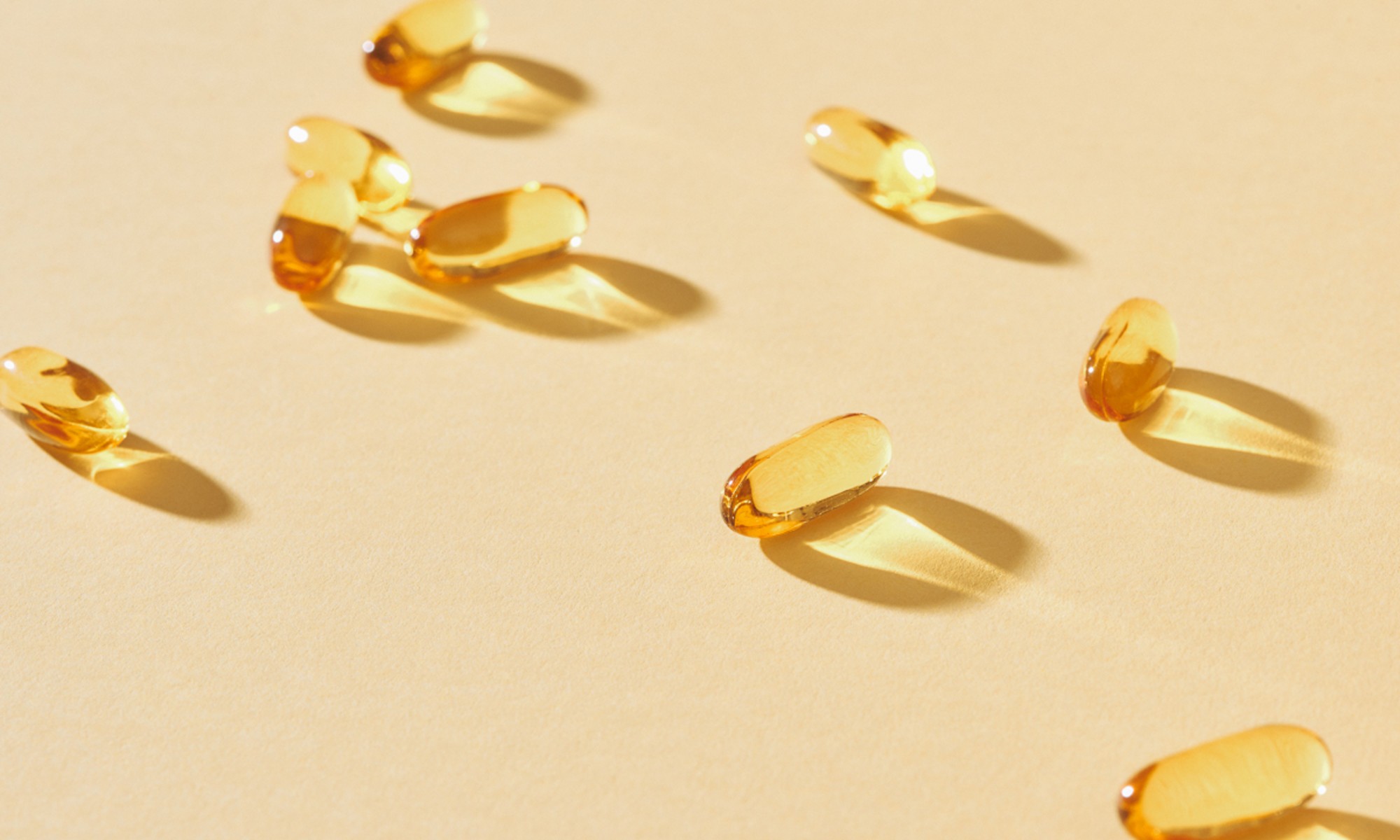
Fish oil is widely celebrated for its ability to reduce inflammation, support heart health, and boost cognitive function. These benefits are driven by high concentrations of omega-3 fatty acids. However, there is a significant catch: the quality of the oil determines its effectiveness. If the oil has gone rancid, you aren’t just losing the benefits—you may be consuming a degraded product.
The Problem: What is Oxidation?
The primary enemy of fish oil is oxidation. In chemical terms, oxidation occurs when oxygen atoms are added to a compound while hydrogen atoms are removed. This process degrades the stability and quality of the oil.
Because of their specific chemical structure, omega-3 fats are exceptionally vulnerable to this process. When fish oil oxidizes, it undergoes several noticeable changes:
– A pungent, unpleasant smell.
– A sour or “off” taste.
– The dreaded “fishy burp” after consumption.
Why this matters: Beyond the unpleasant experience, oxidized oil loses its nutritional potency. If the oil is rancid, the very health benefits you are seeking—such as anti-inflammatory effects—are significantly diminished or lost entirely.
How to Choose a High-Quality Supplement
Since oxidation can happen at any stage, the most effective way to ensure quality is to choose a supplement that prioritizes purity from the very beginning. When shopping, look for manufacturers that implement the following safeguards:
1. “Catch-to-Capsule” Processing
The longer fish oil is exposed to air and temperature fluctuations during transport, the higher the risk of oxidation. Premium supplements often use a “catch-to-capsule” method, where the oil is encapsulated in facilities located near the source (such as near the ocean) to minimize exposure during transit via boats or planes.
2. Advanced Purification Methods
Look for products that use sophisticated extraction techniques, such as supercritical CO2 extraction. This method helps preserve the oil’s integrity by protecting it from heat, solvents, and oxygen.
3. Natural Antioxidant Additives
High-quality oils often include natural antioxidants to help fight oxidation from the inside out. Ingredients like Vitamin E and rosemary extract are frequently added to stabilize the oil and extend its shelf life.
4. Protective Packaging
Light is another catalyst for degradation. Supplements packaged in amber glass bottles provide a barrier against UV light, helping to maintain the oil’s stability throughout its shelf life.
Protecting Your Supplements at Home
Even if you purchase a high-quality supplement, your storage habits can impact its longevity. To minimize oxidation at home, follow these guidelines:
- Keep it cool and dark: Store your bottles in a cool, dark place away from direct sunlight.
- Avoid the refrigerator: Unless specifically instructed by the manufacturer, refrigeration is generally unnecessary and may not be part of the product’s stability testing.
- Maintain the seal: Keep bottles sealed in their original packaging until you are ready to use them. Always close the jar tightly immediately after each use to prevent moisture and oxygen from entering.
Summary: The efficacy of fish oil depends entirely on preventing oxidation. To ensure you are getting the promised health benefits, prioritize supplements that use advanced purification, rapid processing, and protective packaging, while maintaining proper storage at home.
Note: If you are pregnant, breastfeeding, or taking medication, always consult a healthcare professional before starting a new supplement regimen.