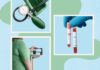





Hypertension—defined as a consistent blood pressure reading of 130/80 mmHg or higher —is a growing public health concern. In the United States, nearly half of all adults live with this condition, which often begins to rise as early as one’s 30s.
While many people focus solely on reducing sodium and avoiding processed foods, managing blood pressure requires a more holistic approach. Effective lifestyle changes work by helping blood vessels relax (vasodilation), calming the body’s “fight-or-flight” stress response, and reducing the chronic inflammation that stiffens arteries over time.
Below are seven science-backed habits to help regulate blood pressure naturally.
1. Combine Cardio and Strength Training
Physical activity is one of the most potent tools for cardiovascular health. To see meaningful results, a dual approach is most effective:
- Cardiovascular Exercise: Activities like brisk walking, cycling, or swimming improve the health of your blood vessel linings, allowing arteries to expand and contract more easily.
- Strength Training: Lifting weights helps lower both systolic and diastolic blood pressure by improving arterial flexibility.
The Goal: Aim for at least 150 minutes of moderate-intensity cardio per week, supplemented by two to three strength training sessions targeting all major muscle groups.
2. Proactive Stress Management
Chronic stress keeps the body in a constant state of “fight-or-flight.” During these episodes, hormones like adrenaline and cortisol increase your heart rate and constrict blood vessels, causing temporary spikes in pressure. If this response is triggered repeatedly, it can lead to permanent hypertension.
Engaging in mindfulness, meditation, or intentional relaxation can activate the parasympathetic nervous system, which helps lower the heart rate and allows blood vessels to relax.
3. Prioritize Quality Sleep
Sleep is a critical recovery period for the cardiovascular system. During deep sleep, your heart rate slows and your blood vessels relax.
Conversely, chronic sleep deprivation or fragmented sleep keeps the body in a stressed, activated state, which is directly linked to a higher risk of hypertension. Aim for seven to nine hours of consistent sleep each night to support long-term heart health.
4. Leverage Nitrates via Leafy Greens and Beets
Certain foods contain high levels of inorganic nitrates, which act as natural vasodilators. These compounds increase blood flow and reduce the rigidity of blood vessels.
- Beetroot Juice: Consuming 1/3 to 1 cup of 100% beetroot juice daily has been shown to be an effective way to lower pressure.
- Leafy Greens: If you dislike beets, non-starchy leafy green juices or eating one cup of fresh greens (or half a cup cooked) can provide similar benefits.
5. Boost Potassium Intake
Potassium plays a vital role in blood pressure regulation by helping the body counterbalance the effects of sodium and supporting healthy blood vessel function. Despite its importance, many adults do not consume enough of this mineral.
To increase your intake, incorporate more of the following into your diet:
– Sweet potatoes
– White beans
– Spinach
– Avocado
– Yogurt
– Bananas
6. Eat More Fatty Fish
Fatty fish—such as salmon, sardines, mackerel, and anchovies —are rich in omega-3 fatty acids (EPA and DHA). These healthy fats support the heart by:
– Promoting blood vessel relaxation.
– Improving endothelial function (the lining of the blood vessels).
– Reducing oxidative stress and inflammation.
Aim to consume fatty fish at least twice per week.
7. Limit Alcohol Consumption
Even moderate alcohol consumption can contribute to higher blood pressure levels. Research suggests that even one drink a day can impact readings compared to total abstinence. To support healthier patterns, consider limiting your portion sizes and incorporating regular alcohol-free days into your routine.
Summary: Managing hypertension is not just about salt intake; it is about creating a lifestyle that supports flexible blood vessels, a calm nervous system, and a resilient heart through movement, nutrition, and restorative rest.