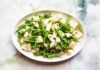





The Mediterranean diet—rich in fruits, vegetables, whole grains, and healthy fats—is widely recognized for its health benefits, including reduced risk of heart disease and obesity. But how does it translate to real-world results? This article details one person’s 30-day experience with the diet, focusing on practical implementation and tangible outcomes.
Getting Started: A Realistic Approach
Before radically changing your diet, consult a doctor. Individual needs vary based on medications, activity levels, and potential deficiencies. The Mediterranean diet encourages minimizing red meat, but if it’s a primary iron source, address that with a healthcare professional. Similarly, while the diet often includes wine, abstain if pregnant or have alcohol-related health concerns.
Core Foods: The Mediterranean Pantry
The diet’s foundation lies in the eating habits of Mediterranean regions—spanning Italy, Greece, Morocco, and beyond. Key components include:
- Abundant fruits and vegetables: Prioritize whole, unprocessed options.
- Whole grains: Bread, couscous, rice, and oats.
- Legumes, nuts, and seeds: Essential for protein and healthy fats.
- Olive oil: The cornerstone of cooking and flavor.
- Dairy, eggs, and fish: Consumed in moderation.
To maximize benefits, limit sugar, processed foods, refined carbohydrates (white bread, white rice), fatty meats, and saturated fats.
Streamlining Meal Prep: A Practical System
The biggest challenge with any diet is consistency. This experiment tackled it by simplifying preparation through batch cooking and strategic ingredient choices. The author found the diet surprisingly approachable because they already enjoyed many core components.
The key was addressing personal weaknesses:
- Alcohol: Limited to two drinks per week.
- Chicken: Supplemented with more fish and legumes.
- Ice cream: Reduced to twice-weekly treats.
- Convenience meals: Replaced with homemade, prepped options.
The Prep-Ahead Method: Choose Your Own Adventure
The author adopted a modular approach:
- Grains: Cooked or prepped couscous, orzo, rice, and tortillas for versatile bases.
- Vegetables: Chopped in bulk, stored cooked, raw, or frozen for on-demand use.
- Dressings: Homemade vinaigrettes and sauces for quick flavor boosts.
- Proteins: Beans, fish, and marinated chicken (frozen for convenience).
This system allowed for rapid assembly of meals like couscous bowls with salmon, chickpeas, and feta, minimizing cook time and maximizing variety.
Beyond the Basics: Quick Mediterranean Meals
The diet isn’t limited to elaborate dishes. Simple options include:
- Smoothies: Frozen fruit and yogurt blends.
- Toasts: Topped with avocado, salmon, or ricotta.
- Dips: Bean-based spreads with fresh vegetables.
- Salads: Using prepped ingredients for instant freshness.
Results: Energy Boost and Sustainable Habits
After 30 days, the author reported increased energy levels, improved workout performance, and sustained fullness. The fiber-rich meals curbed hunger, though with minor digestive side effects (gas). The biggest challenge was resisting cravings, but moderation proved effective.
Challenges and Adaptations: Real-World Flexibility
The diet’s rigidity can be a hurdle. Time constraints and access to fresh ingredients are legitimate concerns. The author suggests:
- Frozen is fine: Frozen produce retains nutrients.
- Community resources: Explore food pantries or local shares.
- Batch cooking: Prepare larger portions for future meals.
- Self-compassion: Allow occasional indulgences without guilt.
Final Thoughts
The Mediterranean diet delivers on its promise: improved health, sustained energy, and delicious meals. It isn’t a restrictive punishment but an invitation to embrace flavorful, whole foods. Even partial adoption—more fish, fewer processed foods—can yield significant benefits.
The key takeaway? Adapt the diet to your lifestyle, prioritize balance, and enjoy the process.