

The Mediterranean diet, inspired by the traditional foods of countries like Greece and Italy, isn’t just a trend — it’s a proven way to improve long-term health. Centered on fresh produce, legumes, whole grains, and lean proteins, this eating pattern has been shown to reduce the risk of heart disease, stroke, type 2 diabetes, and certain cancers. But getting started can feel complicated. This guide offers a simple one-day meal plan to illustrate how easy and satisfying the Mediterranean diet can be.
Breakfast: High-Protein Greek Yogurt Bowl
Start your day with a Greek yogurt bowl. This is a powerhouse of protein (around 17 grams per cup) and beneficial probiotics. A healthy gut microbiome is essential for overall health, and yogurt provides a convenient way to support it.
To make it even more nutritious, add about 13 grams of fiber. A simple recipe includes berries, nuts, and a drizzle of honey for a balanced breakfast.
Lunch: Mediterranean Chicken Burger
For lunch, consider a Mediterranean-style chicken burger. Lean ground chicken is seasoned with garlic, herbs, lemon, and feta cheese for a flavorful and healthy patty.
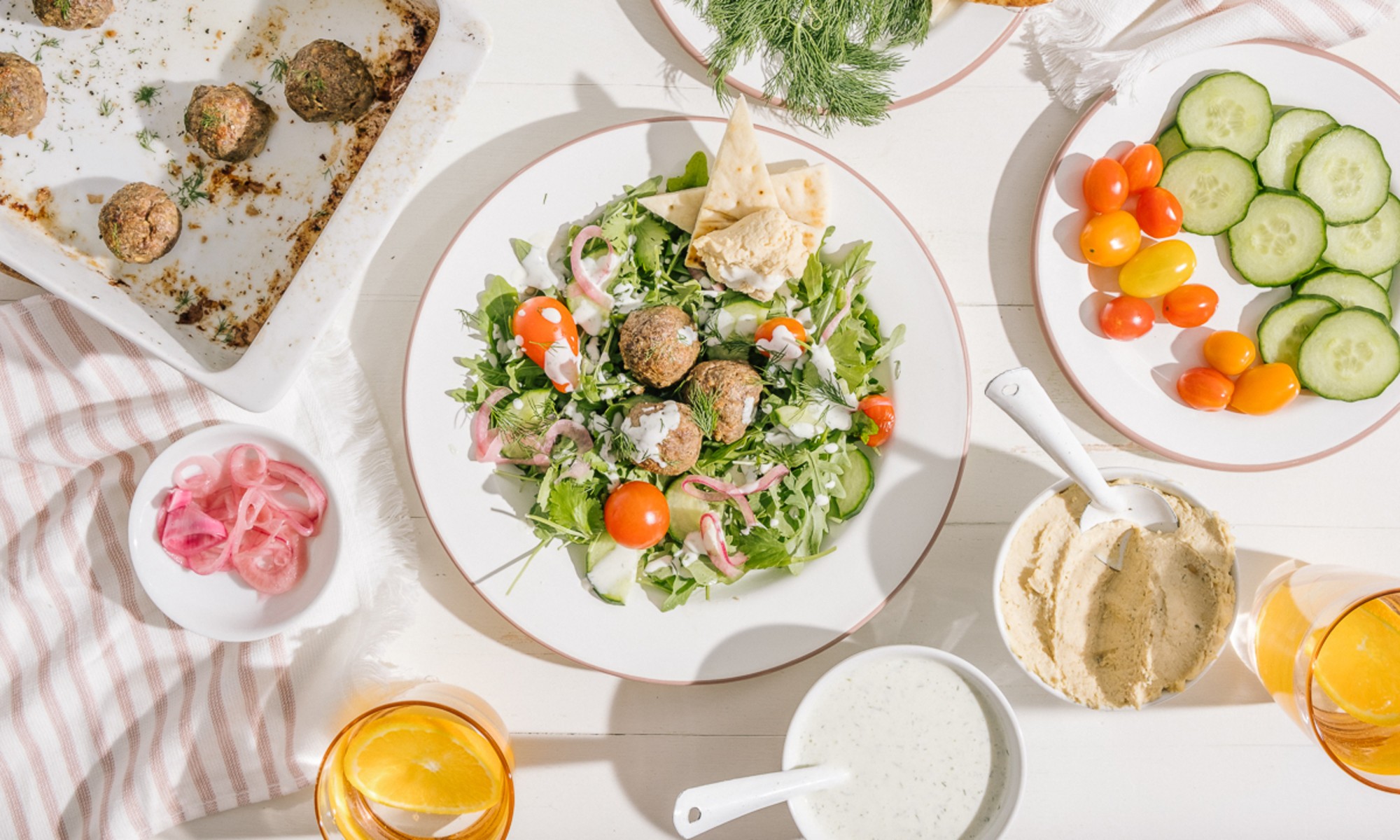
Serve on a whole-grain bun or lettuce wrap with fresh vegetables (cucumber, tomato, greens) and a dollop of tzatziki or olive oil. This provides a satisfying meal rich in nutrients and lean protein.
Dinner: Lemon-Herb Roast Chicken with Vegetables
Finish the day with a Greek-style lemon roast chicken. This simple dish requires just a few herbs and spices to create a bright, savory flavor. Roasting the chicken with lemon and olive oil keeps it tender and infuses it with Mediterranean goodness.
Include fiber-rich potatoes and carrots in the pan for an easy, balanced meal.
Why This Matters
The Mediterranean diet isn’t about deprivation; it’s about building meals around whole, unprocessed foods. The focus on olive oil, vegetables, and lean proteins provides essential nutrients while reducing inflammation and supporting gut health. The key takeaway is that a Mediterranean-style meal plan doesn’t have to be rigid.
Just aim to include vegetables, legumes, whole grains, and lean proteins in each meal while using olive oil as your primary cooking fat. This approach can make long-term healthy eating more sustainable and enjoyable.