



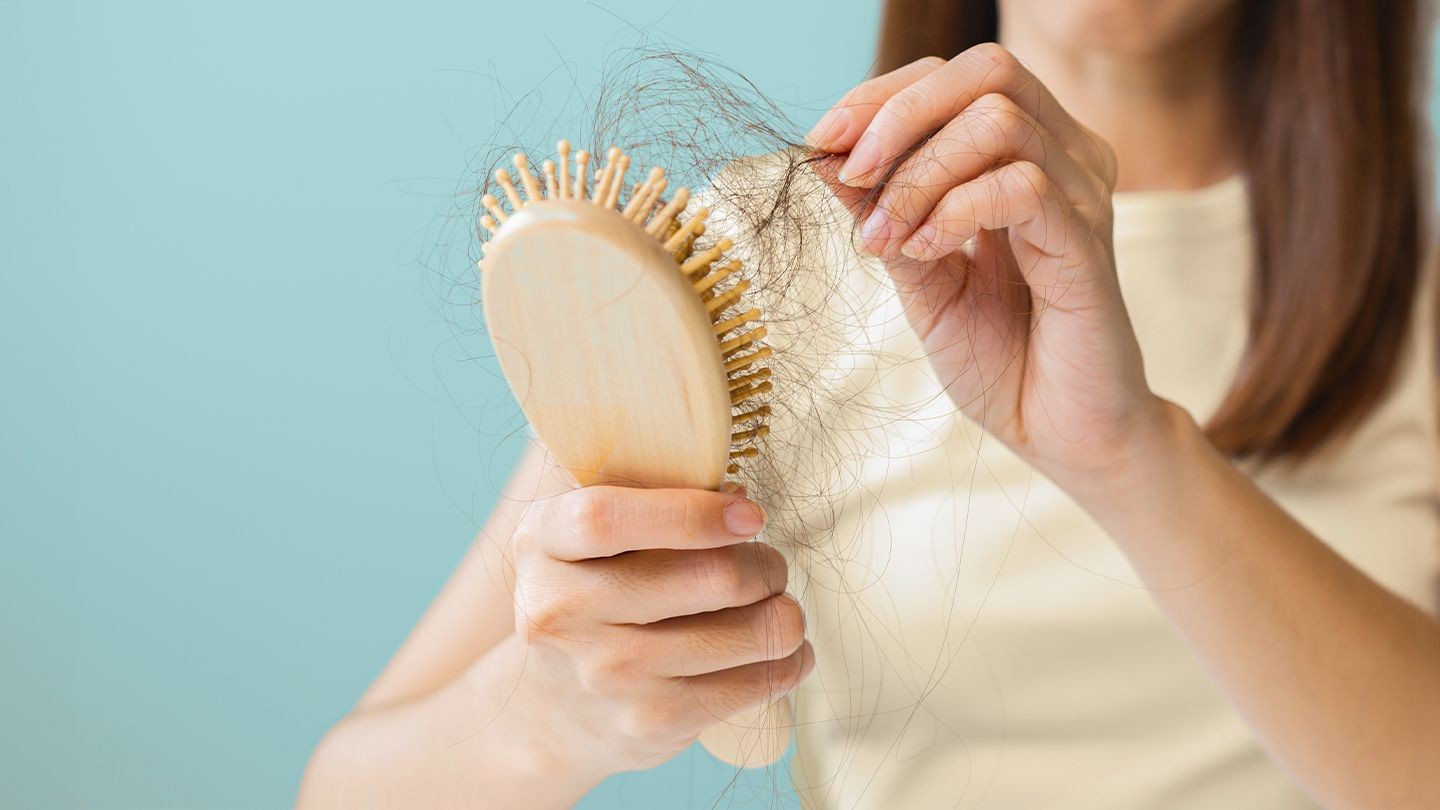
Finding extra strands of hair in your brush or shower drain can be an alarming experience. However, for many women, this is not a sign of permanent hair loss, but rather a natural biological response to the changing seasons.
While it is normal to shed between 50 and 100 hairs every day, women often notice this more acutely due to their typically higher hair density. Understanding the difference between a natural cycle and a medical concern is key to maintaining both hair health and peace of mind.
Is Seasonal Hair Loss Real?
Scientific evidence suggests that hair shedding does indeed follow seasonal patterns, though the exact biological mechanisms are still being studied.
Data indicates that hair shedding tends to peak during the summer, with a secondary, smaller peak in the spring. Conversely, shedding is generally at its lowest during the winter months. This pattern is supported by Google Trends data, which shows a significant rise in “hair loss” searches during the summer and autumn.
The Evolutionary Perspective
One theory offered by dermatologists suggests an evolutionary basis for this phenomenon. From an anthropological standpoint, thicker hair may have provided a survival advantage during cold winters. To facilitate the growth of new, thicker hair for winter protection, the body may need to shed existing hair through the natural growth cycle.
The Four Stages of the Hair Growth Cycle
To understand shedding, one must understand how hair grows. Hair is not a static structure; it moves through four distinct phases:
- Anagen (Growth Phase): The active stage where hair grows from the follicle. This can last anywhere from two to eight years.
- Catagen (Transition Phase): A short period lasting two to three weeks where hair follicles shrink and growth slows.
- Telogen (Resting Phase): The follicle rests for about two to three months. The hair is no longer growing but remains in the scalp.
- Exogen (Shedding Phase): The final stage where the old hair is actively shed to make room for new growth.
When Shedding Becomes a Medical Concern
While seasonal shedding is temporary and usually doesn’t affect overall hair volume, other conditions can cause more persistent or severe hair loss. It is important to distinguish seasonal changes from the following:
Temporary Conditions
- Telogen Effluvium: Triggered by significant physical or emotional stress, such as surgery, serious illness, or sudden nutrient deficiencies. This typically manifests a few months after the stressful event.
- Anagen Effluvium: Often associated with chemotherapy, radiation, or toxin exposure, causing rapid hair loss that usually regrows within a few months.
Chronic and Autoimmune Conditions
- Androgenetic Alopecia: Known as female pattern hair loss, this is a progressive, permanent condition characterized by thinning at the crown or a widening part line.
- Alopecia Areata: An autoimmune disorder where the body’s immune system attacks hair follicles, resulting in distinct patches of hair loss.
Lifestyle and Biological Factors
- Hormonal Shifts: Changes in estrogen levels (such as after pregnancy) or thyroid disorders can disrupt the growth cycle.
- Nutritional Deficiencies: A lack of essential vitamins and minerals can weaken hair health.
Practical Tips for Hair Health
If you are experiencing seasonal shedding, dermatologists recommend focusing on scalp health and minimizing physical stress on the hair strands:
- Gentle Care: Use mild shampoos and moisturizing conditioners. Some experts suggest zinc-based shampoos to support scalp health.
- Reduce Physical Stress: Avoid tight hairstyles, minimize the use of high-heat styling tools (blow dryers, flat irons), and avoid excessive combing or “playing” with your hair.
- Nutrition & Lifestyle: Maintain a diet rich in Vitamin D (found in fatty fish, egg yolks, and fortified cereals) and consider quitting smoking.
- Consult Professionals: Always speak with a doctor before starting new supplements, as they are not strictly regulated and may interact with other medications.
The Bottom Line: Most seasonal hair shedding is a temporary part of the natural hair cycle. However, if you notice sudden patches, significant thinning, or persistent loss, consult a dermatologist to rule out underlying medical conditions.