



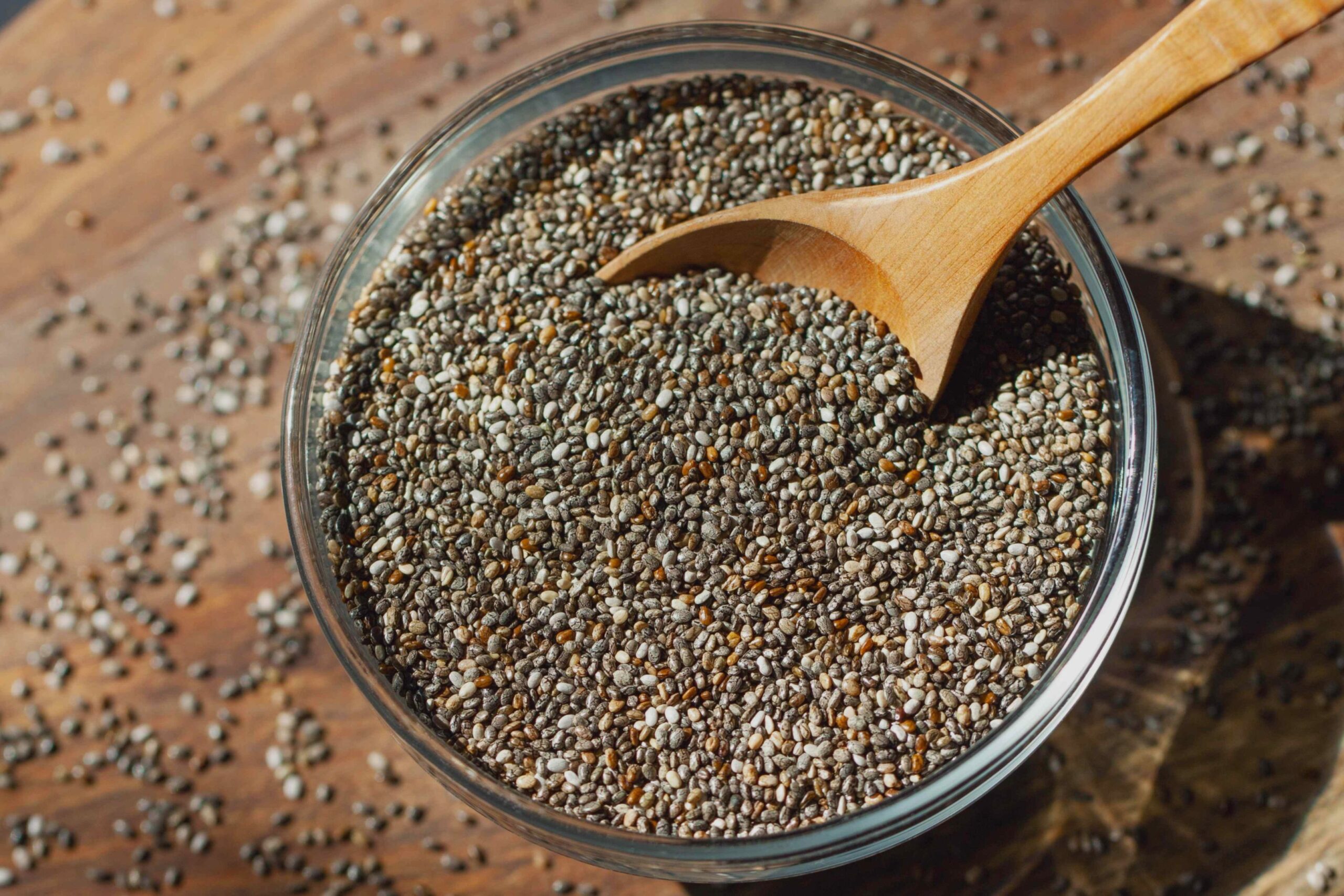
Chia seeds, though small, are nutritional powerhouses packed with fiber, omega-3 fatty acids, protein, and antioxidants. They’ve gained popularity for their versatility and potential health benefits, ranging from heart health to managing chronic conditions. Here’s a breakdown of seven areas where chia seeds may offer support.
1. Supporting Cardiovascular Health
Chia seeds contain key nutrients that promote a healthy heart. Specifically, their omega-3 and omega-6 fatty acids, alongside magnesium, phosphorus, and copper, contribute to improved cardiovascular function.
- Cholesterol Management: Chia seeds can help lower total cholesterol and LDL (“bad”) cholesterol while increasing HDL (“good”) cholesterol. This balance reduces plaque buildup in arteries, lowering heart disease risk.
- Blood Vessel Function: Magnesium aids in blood vessel dilation and proper heart muscle contraction.
- Inflammation Reduction: Omega-3s support anti-inflammatory processes, preventing blood vessel thickening or damage caused by chronic inflammation.
2. Managing Type 2 Diabetes
Type 2 diabetes occurs when the body struggles to use insulin effectively, leading to high blood sugar. Chia seeds’ high fiber content offers a three-pronged approach to managing this condition.
- Blood Sugar Control: Fiber slows glucose absorption, preventing spikes after meals.
- Satiety: Chia seeds promote fullness, reducing overall calorie intake.
- Insulin Sensitivity: They may enhance the body’s response to insulin.
Additionally, antioxidants in chia seeds combat inflammation and oxidative stress, common contributors to diabetes development.
3. Relieving Constipation
Constipation, defined as infrequent bowel movements (less than three times a week) or difficulty passing stool, is often linked to low fiber intake. Chia seeds’ insoluble fiber adds bulk to stool, stimulating regular bowel movements and easing discomfort.
4. Easing Inflammatory Arthritis
Inflammatory arthritis, including rheumatoid and psoriatic arthritis, causes chronic joint inflammation. Chia seeds contain zinc, magnesium, and ALA (alpha-linolenic acid), an omega-3 fatty acid, with anti-inflammatory properties. These components may help reduce symptoms and improve joint health.
5. Improving Gastrointestinal Health
Chia seeds may help manage gastrointestinal conditions by supporting a healthy gut microbiome. Their soluble fiber feeds beneficial gut bacteria, which ferment the fiber to produce short-chain fatty acids (SCFAs). SCFAs promote a healthy gut lining, aid in nutrient absorption, and regulate bowel movements.
6. Aiding Weight Management
High-glycemic foods cause rapid blood sugar spikes, contributing to weight gain. Chia seeds have a low glycemic index, meaning they don’t trigger these spikes. Furthermore, they increase satiety and suppress appetite, potentially reducing overall calorie consumption and supporting weight loss efforts.
7. Supporting Polycystic Ovary Syndrome (PCOS) Management
PCOS, a hormonal imbalance affecting the ovaries, has no definitive cure. However, dietary changes can help manage symptoms. Chia seeds may offer support by influencing hormone regulation and reducing inflammation, though more research is needed in this area.
Chia seeds are a versatile and nutrient-rich food that may offer support for various health conditions. While they are not a cure-all, incorporating them into a balanced diet may provide significant benefits.