




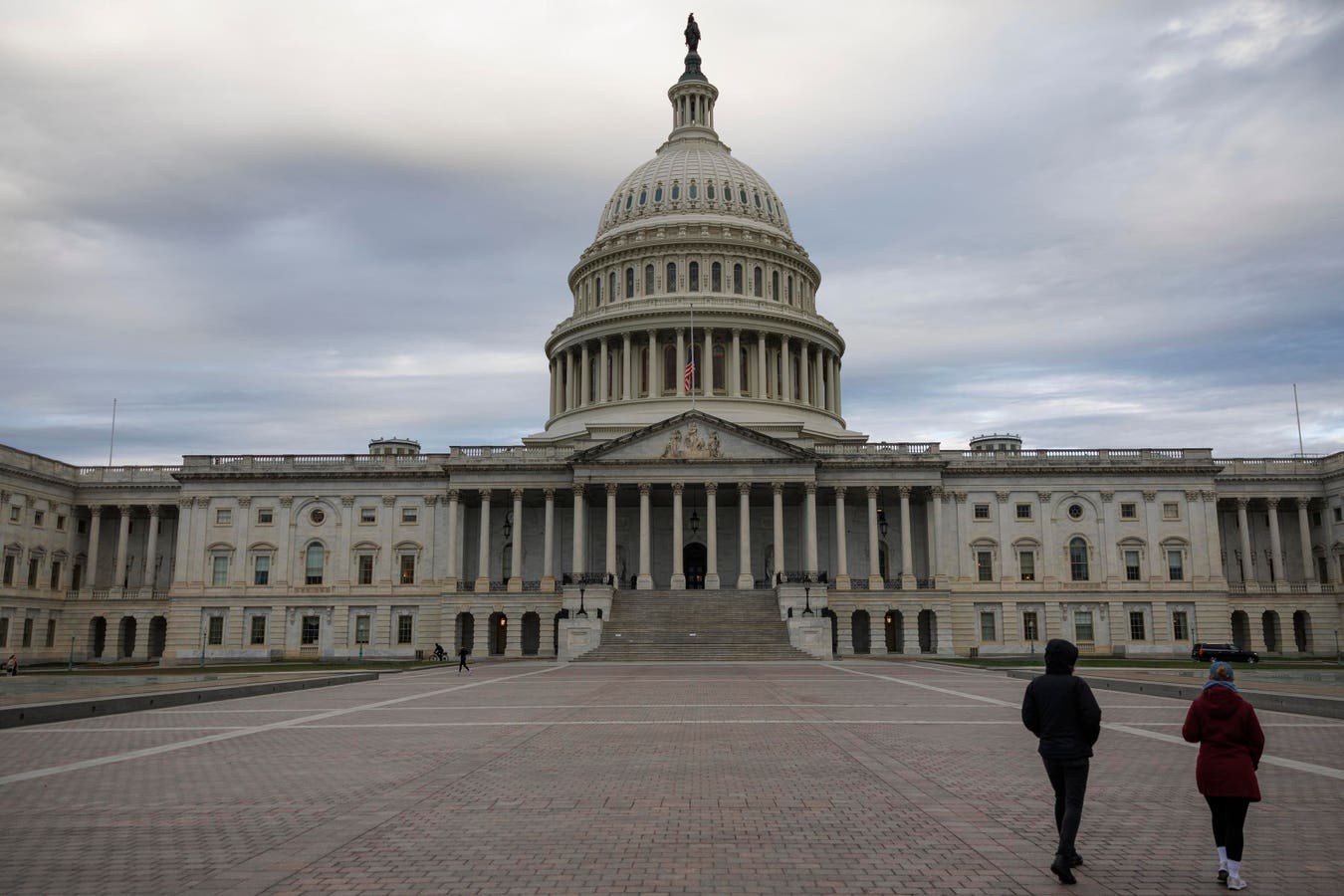
The recent government shutdown—triggered by a dispute over Affordable Care Act (ACA) subsidies—revealed a deeper, systemic issue: the American healthcare system remains fundamentally unsustainable. While the political battle centered on whether to extend temporary financial aid to those with ACA exchange plans, the real problem isn’t just affordability with subsidies, but the relentlessly rising cost of healthcare itself.
The Illusion of Solutions
The shutdown highlighted the familiar pattern of policymakers and industry leaders dodging the core issue. Democrats argued that letting subsidies expire would spike premiums for lower-income households, while Republicans insisted these supports were temporary measures that had run their course. Both sides fixated on the symptoms —rising premiums—instead of the disease —the broken underlying economics of healthcare.
The ACA itself, despite expanding coverage and consumer protections, failed to correct the structural forces driving costs upward. Premiums across the market have risen sharply, not just for ACA participants, and major insurers have posted record profits during this period. Consolidation among hospitals, physician groups, and insurers continues to accelerate, consistently shown to drive up prices. The expiration of subsidies didn’t cause these increases; it simply exposed how much premiums have already grown since 2021, when federal support temporarily masked the reality.
Band-Aid Fixes and False Dependencies
The pattern extends beyond ACA subsidies. Emergency funding for rural hospitals, like the $50 billion allocated for rural support, keeps facilities afloat in the short term, but doesn’t address the unsustainable cost structures that drive closures. Similarly, the 340B program—intended to lower drug costs for the underprivileged—has morphed into a revenue stream for hospitals, propping them up rather than fixing the root problem.
These federal support programs function as temporary infusions, masking underlying weaknesses in business models and delivery structures. Stakeholders react with horror when policymakers consider scaling back or restructuring these supports, revealing the system’s dependency on continuous funding rather than sustainability.
The Path Forward: Transparency and Accountability
The solution isn’t more subsidies or incremental adjustments. It requires a structural reset anchored in transparency, accountability, and outcomes-based payment. Consumers, employers, and policymakers need reliable cost and quality data to evaluate value. Healthcare delivery organizations and payers must be held accountable for delivering results that improve care at affordable prices.
Today’s reimbursement model rewards activity, not results, driving unnecessary utilization and rising costs. Aligning payment with outcomes would encourage prevention, coordinated care, and safer practices. Insurers should be evaluated on access to timely, evidence-based care, not just short-term cost controls.
The end of the shutdown provides an opportunity to confront a larger question: What kind of healthcare system are we trying to sustain, and should we sustain it in its current form? The underlying system has been on life support for decades and will remain so until leaders address the structural forces driving cost growth. The cost curve cannot bend through continued subsidies; it requires a fundamental shift in how healthcare is delivered and financed.