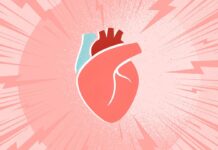



A heart attack known as a “widowmaker” – a full blockage of the left anterior descending (LAD) artery – is often fatal. But survival is possible, though the journey is harrowing for both the patient and their loved ones. This is the story of one such experience, from the initial symptoms to the long-term recovery, trauma, and lasting changes it leaves behind.
The Sudden Collapse
It began like heartburn. Michael, the patient, dismissed it at first, but the pain intensified. Hours later, he collapsed, convulsing on the floor. His partner dialed 911 while simultaneously begging neighbors for help. This was a widowmaker heart attack: a complete blockage of the LAD artery, cutting off blood flow and causing immediate cardiac arrest.
The difference between a typical heart attack and this one is critical. While many blockages can be treated with medication or less invasive procedures, a full LAD blockage often leads to ventricular fibrillation (an erratic heartbeat) or outright cardiac arrest. Without immediate intervention, survival rates plummet.
The Fight for Life: CPR and Defibrillation
The 911 operator instructed the partner to perform CPR. Neighbors assisted in positioning Michael, and chest compressions began. “Hard and fast,” the operator insisted. Eight minutes of relentless compressions followed, until paramedics arrived with a defibrillator. After three shocks, a faint pulse returned.
The availability of automated external defibrillators (AEDs) in public spaces has dramatically improved survival rates in recent years. According to cardiologist Dawn Kershner, DO, these devices are increasingly common and essential in saving lives.
Hospital Intervention: Stents and ECMO
At the hospital, a medical team inserted two stents into Michael’s artery to restore blood flow. However, his blood pressure continued to drop, requiring ECMO: a life support system that temporarily takes over the function of the heart and lungs. The procedure involved inserting a tube in his leg to pump his blood artificially – a last resort.
The Long-Term Consequences
Michael survived, but with lasting effects. He suffered a traumatic brain injury from oxygen deprivation during cardiac arrest, leading to cognitive impairment, emotional distance, and a reliance on routine. His partner also experienced severe trauma, including PTSD, insomnia, and depression.
Psychologist Melanie Longhurst, PhD, explains that “co-survivors” like this partner commonly experience PTSD. The ordeal often leads to resentment, regret, and the difficult realization that survival may mean acknowledging the need for separation to heal. The act of caregiving is intense, and burnout is real, requiring both partners to acknowledge their vulnerabilities.
The Lasting Impact
This story is not just about surviving a heart attack; it’s about the hidden toll on both patient and caregiver. The emotional scars, cognitive deficits, and relationship strains are often overlooked. The survivor may live, but life will never be quite the same.
The experience underscores the brutal reality of widowmaker heart attacks and the importance of immediate intervention, but also the long road to recovery—one that demands acknowledgment of trauma and vulnerability from everyone involved.