




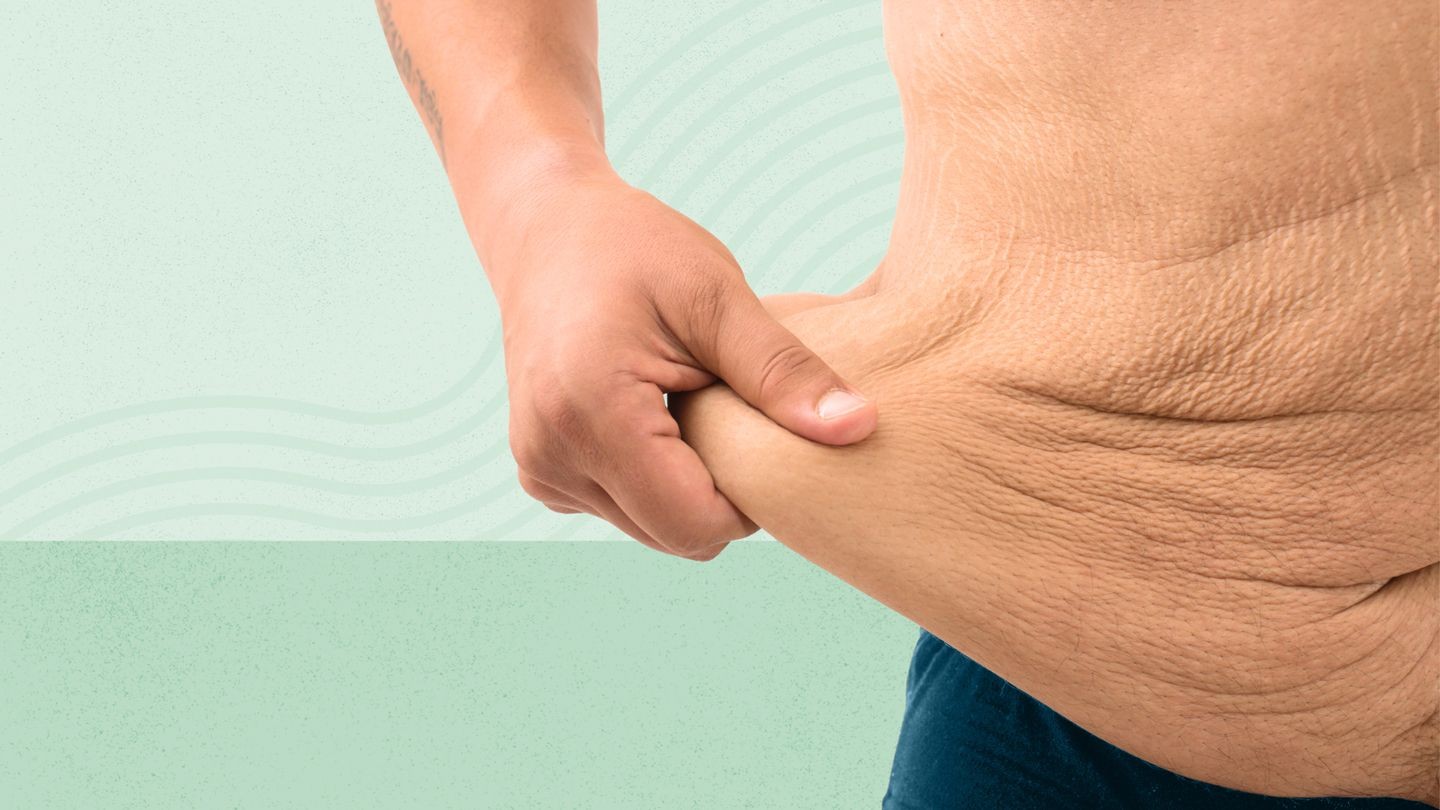
Significant weight loss is a major health achievement, but it often comes with a lesser-discussed consequence: loose, sagging skin. This happens because skin stretches over time with weight gain and may not fully retract when weight is lost. The degree to which this occurs depends on genetics, age, the speed of weight loss, and lifestyle factors like smoking or sun exposure.
Here’s a breakdown of what you need to know, backed by medical experts, if you’re dealing with this post-weight-loss reality.
Why Excess Skin Happens: The Science Behind It
The body’s skin has limits to how much it can stretch and recover. Prolonged weight gain weakens the underlying collagen and connective tissues. When weight loss occurs faster than the skin can adapt, it may not fully tighten. This isn’t just about appearance; loose skin can cause practical problems like hygiene issues, chafing, and even discomfort during physical activity. Some studies suggest skin may reach its maximum natural tightness within a year after major weight loss, though individual results vary.
Where You’ll Notice It Most
Certain areas are more prone to excess skin after weight loss. These include the abdomen (often the most bothersome due to its visibility and potential for discomfort), arms, breasts, buttocks, and thighs. The exact location depends on individual body composition and weight distribution history.
Can Exercise Help? The Role of Muscle
Exercise, particularly strength training, can support skin tightening by building muscle underneath the skin, creating a fuller, firmer appearance. Muscle growth acts like an internal “inflator,” providing structural support. However, exercise alone won’t eliminate significant excess skin. It’s a supporting factor, not a standalone solution.
Treatment Options: Surgical and Non-Surgical
There are several ways to address excess skin, depending on severity and personal preference:
- Non-Surgical: Ultrasound, radiofrequency, and laser treatments stimulate collagen production, offering subtle tightening with minimal downtime.
- Surgical: Body-contouring procedures, like abdominoplasty (tummy tuck) or brachioplasty (arm lift), remove excess skin directly. These are more invasive but deliver more dramatic results.
Surgical options can be costly and may not be covered by insurance. Choosing a board-certified plastic surgeon is crucial for safety and effective results. The American Board of Medical Specialties provides verification for qualified clinicians.
Beyond the Physical: Mindset Matters
Adjusting to excess skin requires a shift in perspective. Experts recommend focusing on celebrating the weight loss achievement rather than dwelling on cosmetic imperfections. Gratitude, self-compassion practices (like journaling or meditation), and supportive clothing can ease discomfort and boost confidence.
“I remind patients that excess skin is evidence of their success,” says Dr. Basu, a plastic surgeon.
The Bottom Line
Loose skin after weight loss is a common but manageable challenge. Whether you pursue non-surgical treatments, surgical intervention, or simply embrace the physical reminder of your transformation, prioritizing both physical and mental well-being is key. The body adapts, and self-acceptance is part of the journey.