




Replacing butter with healthier fats can be one of the easiest steps toward a more nutritious diet. Recent research shows that switching just 1 tablespoon of butter daily for plant-based oils can lower the risk of early death by 17%. This matters because saturated fat in butter raises harmful LDL cholesterol, a key factor in heart disease — the leading cause of death worldwide.
The goal isn’t to eliminate flavor or enjoyment, but to make informed choices. The best alternative depends on how you plan to use it, your taste preferences, and any dietary restrictions. Here’s a guide to practical swaps, broken down by use case.
Baking: Smart Substitutions for Fluffy Results
Reducing butter in baked goods is often simple. Keep in mind that even substitutes aren’t calorie-free. “Pie made with applesauce is still pie,” as registered dietitian Maya Feller points out — moderation is key.
- Unsweetened Applesauce: Use equal parts applesauce and a heart-healthy oil (like canola) to replace melted butter. Applesauce adds moisture and nearly 3 grams of fiber per cup, but may require slightly less liquid in the recipe to avoid sogginess.
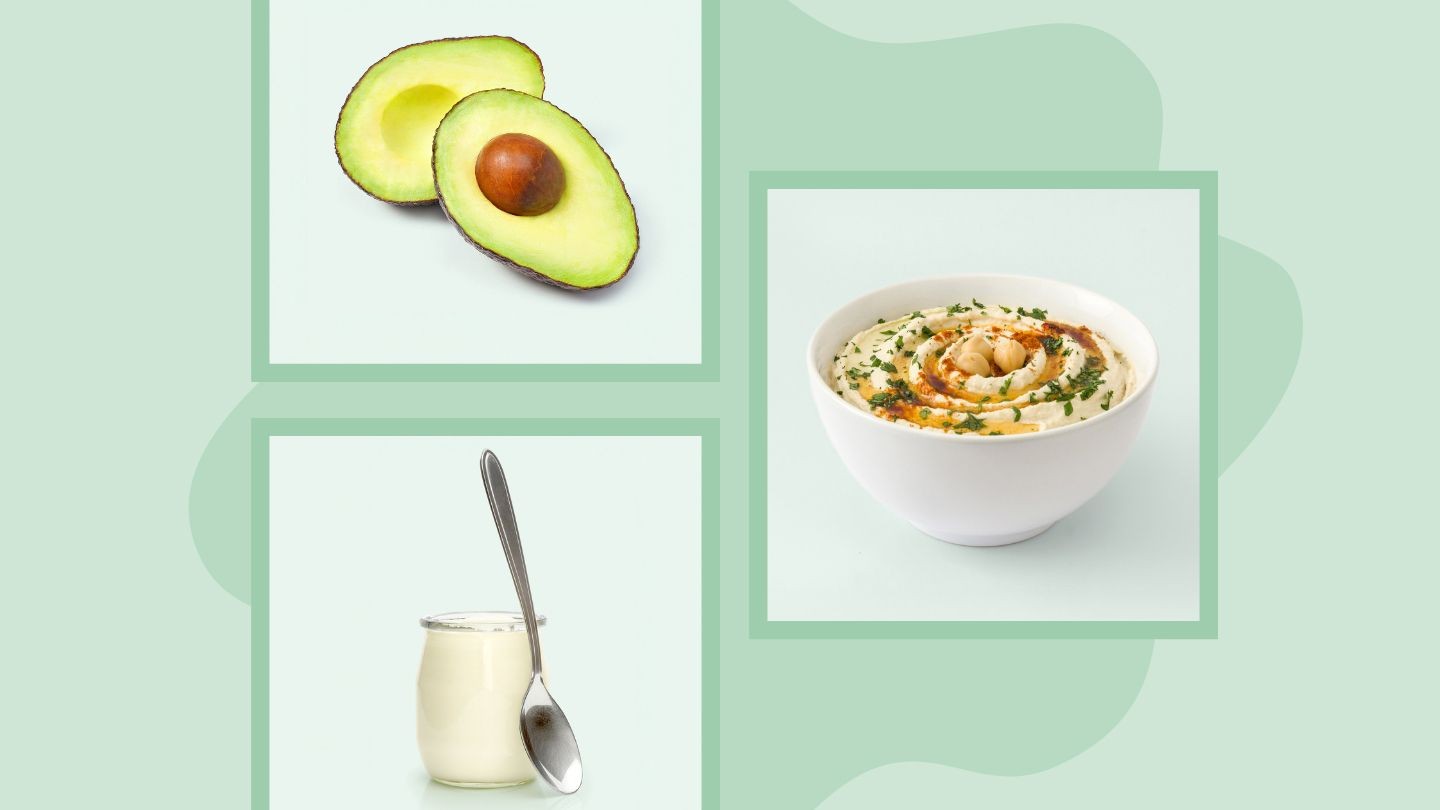
- Full-Fat Greek Yogurt: Its consistency is similar to butter, and its acidity keeps baked goods tender. While full-fat is recommended for better texture, it also delivers 21 grams of protein and 21% of your daily calcium per cup. Replace up to half the butter for best results.
- Vegan Butter: For baking where consistency matters (like cookies), use a non-hydrogenated plant-based spread as a 1:1 replacement. Avoid hydrogenated oils, which contain harmful trans fats. Look for blends of liquid plant oils (canola or olive) with naturally firm oils like coconut, palm, or palm kernel.
Spreads: Beyond Butter on Toast
Instead of slathering butter on bread, consider these alternatives:
- Mashed Avocado: Calorie and fat content is similar to butter, but with 10 grams of fiber and over 15% of your daily potassium.
- Nut Butter: Almond butter provides 7 grams of protein and 3 grams of fiber per serving, plus vital vitamins and minerals. Pair it with whole-grain toast and sliced apple for extra nutrients.
- Hummus: Two tablespoons offer 2 grams each of protein and fiber with only 71 calories.
Other Healthy Fat Swaps
Beyond butter, consider these replacements for other common saturated fat sources:
- Mayonnaise: Opt for Greek yogurt, mashed avocado, or hummus instead. Greek yogurt mimics mayo’s creaminess best.
- Sour Cream: Replace with full-fat Greek yogurt or pureed cottage cheese for a similar texture with less saturated fat.
- Heavy Cream: Use evaporated skim milk as a substitute in casseroles and sauces.
- Cream Cheese: Neufchâtel cheese has less fat and more protein than full-fat cream cheese.
- Coconut Oil: For cooking, use avocado or canola oil instead, as coconut oil contains significant saturated fat.
The Bottom Line:
Butter’s high saturated fat content can increase heart disease risk. Swapping it for healthier fats like applesauce, Greek yogurt, avocado, or nut butters not only reduces saturated fat but also boosts your nutrient intake. Making these simple changes can contribute to long-term health benefits.
Editorial Sources:
Zhang et al. Butter and Plant-Based Oils Intake and Mortality. JAMA Internal Medicine. March 2025.
American Heart Association. Saturated Fat. August 23, 2024.