




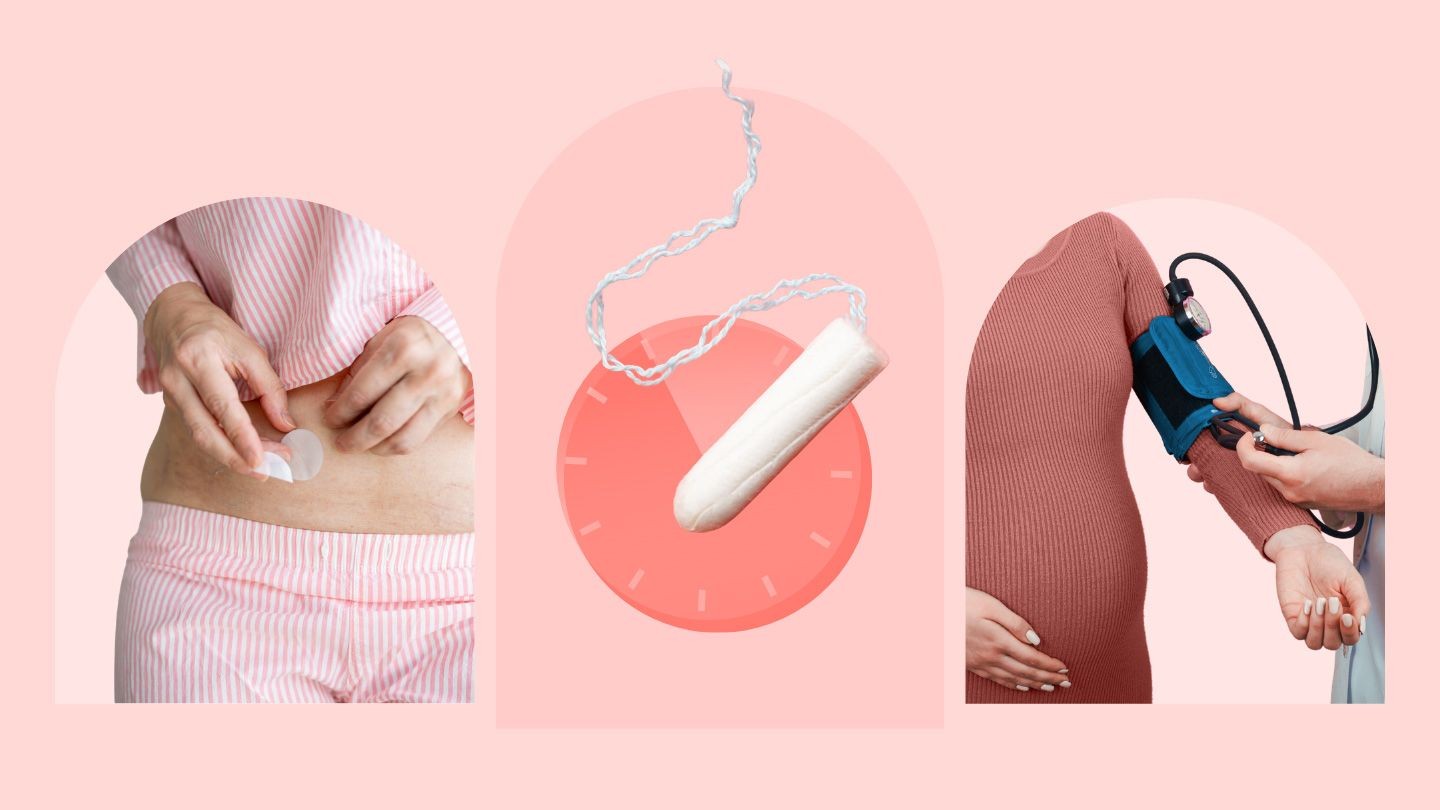
Nearly half of all adult women in the United States live with heart disease, making it the leading cause of death for this demographic. While cardiovascular problems affect both genders, the underlying causes and progression differ significantly between men and women, leading to delayed diagnoses and poorer outcomes. Understanding these differences is critical for improving women’s heart health.
Why Women’s Heart Disease is Different
Anatomical variations, hormonal shifts throughout life (puberty, pregnancy, menopause), and unique conditions all play a role. For example, the way plaque builds up in arteries (atherosclerosis) manifests differently in women, making standard risk assessments less reliable. Historically, this underrepresentation in medical research has led to a dangerous gap in care where women often receive slower or incomplete treatment.
“Recognizing female-specific risk factors can help reduce disparities in care, improving outcomes for women,” says Dr. Daniel Ambinder, an interventional cardiologist.
Key Factors Influencing Women’s Heart Health
Several life stages and conditions can heighten a woman’s cardiovascular risk:
1. Early or Late First Period
The timing of a woman’s first menstrual cycle may influence future heart health. Studies suggest that starting menstruation too early (before age 11) or too late (after age 16) can increase risk, possibly linked to childhood obesity or genetic predispositions. The “sweet spot” appears to be between ages 12 and 13.
2. Polycystic Ovary Syndrome (PCOS)
PCOS, a hormonal disorder causing irregular periods, acne, and weight gain, is a significant risk factor. Women with PCOS have a 58% higher risk of heart attack and a 56% higher risk of stroke, even after accounting for other risks. The underlying issue is metabolic dysfunction and low-grade inflammation.
3. Preeclampsia During Pregnancy
Preeclampsia, high blood pressure during pregnancy, is not just a temporary condition. Women who experience preeclampsia have a 72% higher risk of cardiovascular disease later in life, and the effects can linger even if other risk factors are controlled.
4. Gestational Diabetes
Diabetes during pregnancy (gestational diabetes) increases the risk of long-term heart problems. Women who develop gestational diabetes have a twofold higher risk of coronary artery calcification, an early sign of heart disease.
5. Preterm Delivery
Delivering a baby before 37 weeks of gestation is linked to a significantly higher risk of ischemic heart disease decades later. The risk decreases over time, but remains substantially elevated.
6. Menopause and Hormonal Shifts
After menopause, the decline in estrogen increases cardiovascular risk. Estrogen protects blood vessels and keeps inflammation in check; its loss leads to higher cholesterol levels and increased risk. Hormone therapy can help manage symptoms, but its impact on heart health is complex and depends on timing.
7. The Treatment Gap
For decades, women were underrepresented in heart-related clinical trials because of the belief that cardiovascular disease was largely a man’s condition. The U.S. Food and Drug Administration (FDA) also discouraged women of childbearing age from participating in clinical trials due to fear of harm to fetuses, leading to treatments and guidelines that were developed without a full understanding of how women are affected.
What Women Can Do
Women should be proactive about their heart health:
- Advocate for themselves: Seek doctors who listen and address concerns.
- Regular screening: Blood tests for cholesterol, blood sugar, and blood pressure checks are essential.
- Awareness: Understand that heart attack symptoms can differ in women.
- Lifestyle: A healthy diet and regular exercise are crucial.
Conclusion
Women face unique cardiovascular risks driven by hormonal and anatomical differences. Ignoring these differences perpetuates a dangerous gap in care. Proactive awareness, early screening, and personalized treatment are essential to improve women’s heart health outcomes.