


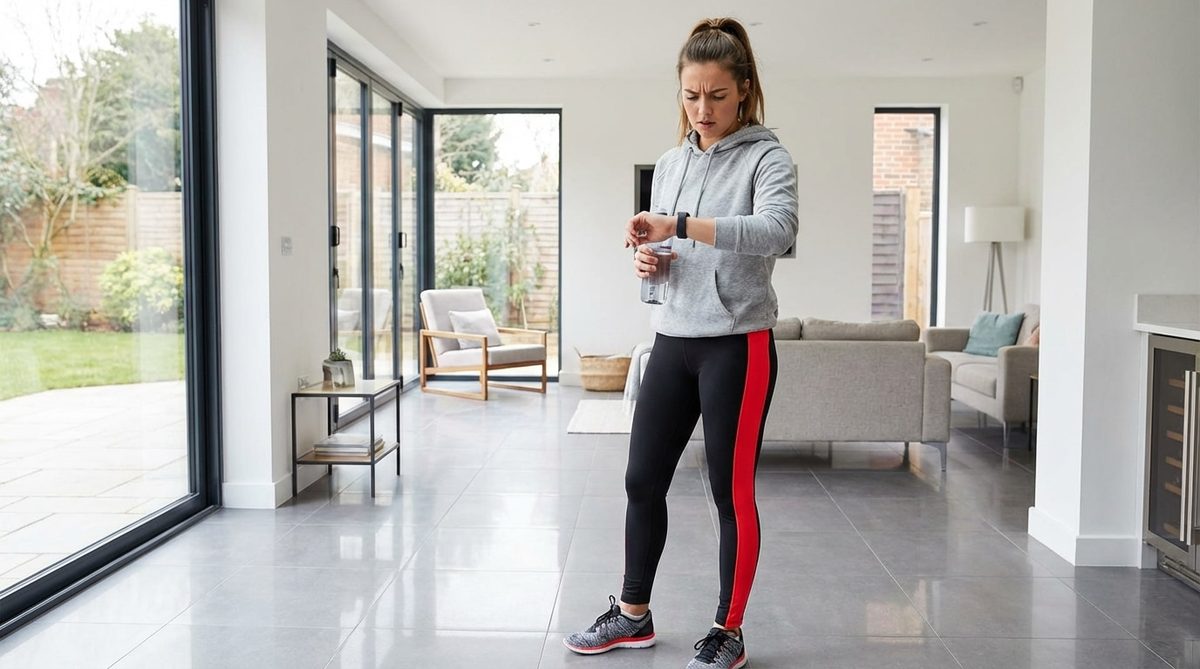
You think you are doing your body a favor by pushing past the limit every time you step into the gym. The result is often exhaustion or joint pain that lingers long after the session ends. These symptoms are increasingly common among active men in late winter. Health professionals are now advising a shift away from these popular but risky practices.
The fitness industry sells a dream. Sculpted bodies. Heroic performances. The reality is different. Especially when you juggle work, family, and accumulated fatigue. If you are between 25 and 55, it is time for a hard look. Well-executed training does not require suffering. In early 2026, the trend is shifting from body destruction to sustainable preservation. Understanding why raw intensity fails might change how you approach fitness forever.
Debunking the “No Pain No Gain” Myth
We have been conditioned to believe one thing. If your shirt is not soaked and your muscles do not burn, the workout did not count. This is a massive error. Believing that extreme intensity is the only path to progress is not just wrong. It is the fastest route to injury.
When we try to maximize every minute in the gym, we forget something simple. The body is not an endless machine. The slogan no pain no gain has caused real damage. It pushes active men, already stressed by their jobs, to add violent physical stress to their systems. The result? Instead of building muscle and health, you accumulate inflammation and nervous fatigue.
Stop feeling guilty if you finish a session feeling like you can still go. Consistency beats intensity every time in the long run. A moderate workout you can sustain three times a week all year will always outperform a brutal session that leaves you bedridden for three days.
When HIIT, CrossFit, and High-Intensity Fitness Cause Harm
Here is the core issue. Recent medical feedback confirms a clear trend. High-intensity interval training (HIIT), CrossFit, and intense fitness are contraindicated for certain individuals. Their vulnerabilities are often ignored.
Why these three specific methods? They impose mechanical and cardiac constraints that many bodies are not ready to handle. This is especially true after a sedentary day at work.
- HIIT and the Heart: Spiking your heart rate to maximum in seconds burns calories. It also demands an impeccable cardiovascular system. For a man returning to sport, these sudden spikes are risky if the heart has not been prepared gradually.
- CrossFit and Technique: Chaining technical movements while in a state of extreme fatigue inevitably degrades posture. This is where the back and shoulders give out.
- Intense Fitness and Impact: Repeated jumping on hard surfaces is a nightmare for knees and lumbar spines. This happens if the stabilizing muscles are not sufficiently developed.
These disciplines are often inappropriate if cardiovascular risks, joint vulnerabilities, or medical limitations have been identified. In 2026, health professionals agree. A functional body is better than a performant one that is damaged. If you feel unusual pain or abnormal fatigue, these formats are likely not for you.
Moving Smarter: Fluidity and Active Recovery
So what is the solution? Do we sit on the couch? Absolutely not. The goal is to move intelligently. The trick is not to stop. It is to shift gears. Replace brutality with fluidity.
Instead of seeking exhaustion in 30 minutes, try active recovery or controlled strengthening. This means prioritizing movements that strengthen without trauma:
- Controlled Traditional Weightlifting: Adequate rest times. Mastered loads. Slow execution. You want the muscle sensation, not momentum.
- Low-Intensity Steady State (LISS) Cardio: Brisk walking. A bike ride. Swimming. It is less spectacular. It is, however, formidable for heart health and fat loss, without the cortisol spike of high intensity.
- Mobility: Integrate 10 minutes of dynamic stretching daily. A flexible body is a body that does not break.
By changing your approach, you will notice more daily energy. Better sleep. Paradoxically, better physical results because you will no longer spend your time managing micro-injuries.
Believing you must suffer to be fit is an idea we must abandon. Replacing blind intensity with a practice that respects your physiology guarantees your athletic longevity. After all, the goal is not to be the fastest one to consult a doctor, is it? It is to move with ease for as long as possible.


