




In this week’s InnovationRx. We are looking at the explosion of autoimmune therapies. Also, OpenAI’s heavy push into healthcare. Plus, Vertex buys Crinetics for $10 billion. To get this in your inbox. Subscribe here.
Autoimmune Therapies Are Heating Up
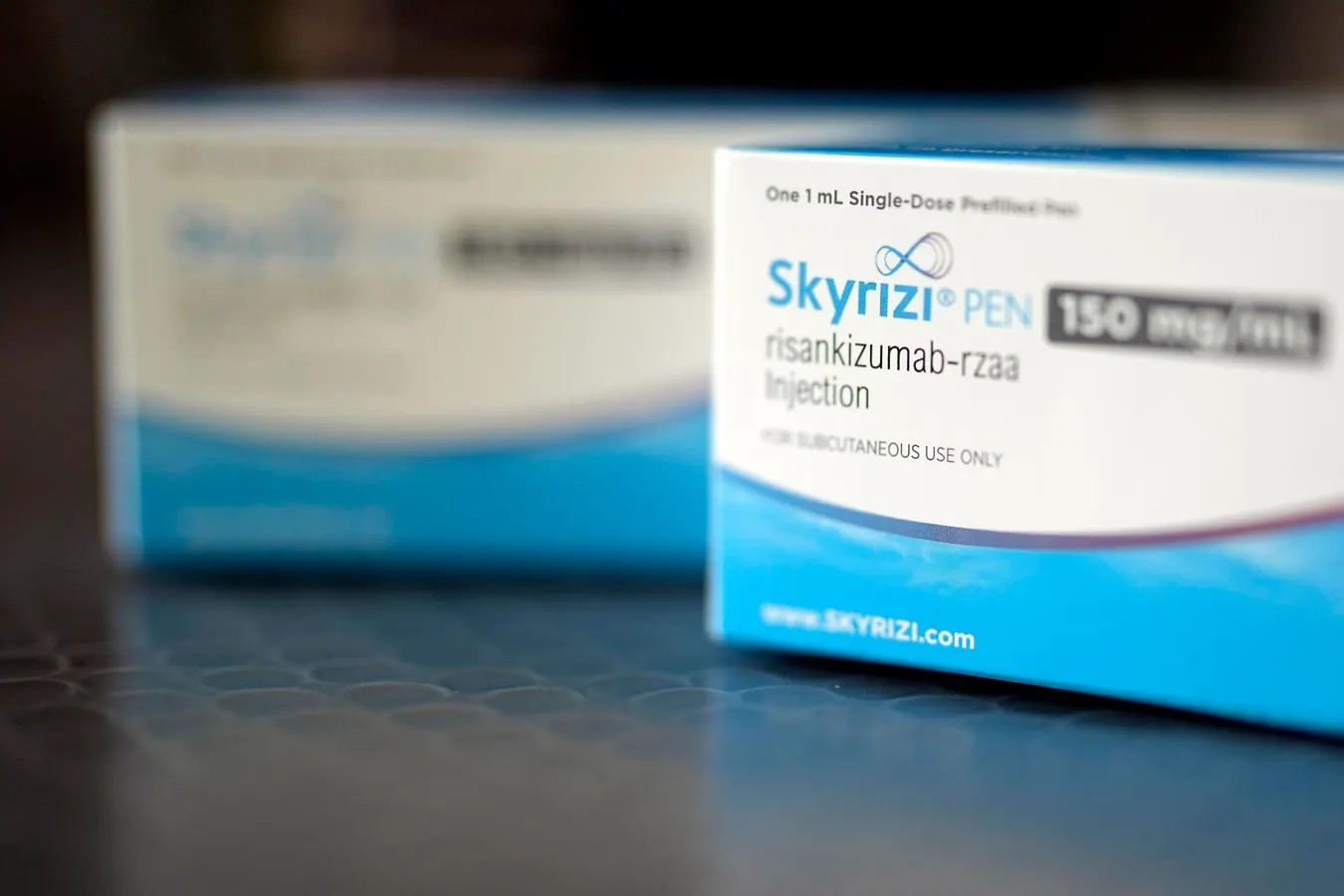
AbbVie’s Skyrizi is about to get big. Very big. It treats psoriasis, Crohn’s disease. And other autoimmune messes. Evaluate, a pharma data firm, predicts it will pull in $33 billion by 2032. That would make it the world’s second-best selling drug. Sitting right between Eli Lilly’s GLP-2 giants. Mounjaro and Zepbound.
“Only autoimmune disease drugs come close,” Evaluate’s researchers wrote. “They rival Lilly’s anti-obesity blockusters.”
Why? Because they treat dozens of conditions where the body attacks itself.
The data suggests immune-modulating drugs are growing faster than the metabolic ones now. Compounded annual growth of more than 9%.
“It is a boom,” said Jane Grogan at Biogen. The firm is worth $31 billion. They just bought RayThera for up to a billion dollars to expand their pipeline.
We’re excited about lupus, Grogan noted. It is a disease that has resisted cracking for decades.
The problem is widespread. 50 million Americans have an autoimmune disease. Over 100 types. Rheumatoid arthritis, type 1 diabetest, MS, lupus.
Science is catching up.
Big Pharma is spending. Biotechs are spending. VCs have thrown $2.1 billion into immune-system disorders this year alone. Out of a $9 billion total pot in biotech, per BioPharma Dive.
Skyrizi proved the concept. Since its FDA approval in 201 nine. Sales have skyrocketed. Dan Chancellor at Norstella (Evaluate’s parent company) says AbbVie is finishing the playbook they started with Humira.
Humira was a wild success for inflammatory diseases. Skyrazzi is following the map.
Other hits are lurking:
- Sanofi’s Dupixent : For eczema and asthma. Projected over $20 billion in sales.
- AbbVie’s Rinvoq : For 10 FDA-approved issues, including rheumatoid arthritis. Hitting $17 billion.
- argenx’s Vyvgart : For myasthenia gravis. Nerves failing muscles. A $10 billion target.
“Real breakthroughs in identifying novel targets,” said Karen Massey, CEO of argenx. A $58 billion market cap company. It feels like oncology did ten years ago.
But here is the rub.
Dan Chancellor at Norstella offered a cooling word. What goes up must come down. The next big wins might not be for common ailments like arthritis. They could be for niche things like myasthenia.
The cycle is peaking. Eventually it ends.
How OpenAI Wants To Fix Healthcare (Or At Least Sell It)
When OpenAI needs a hospital CEO to listen. They send Sam Altman.
Altman, 41. Billionaire. Founder. The man who turns skepticism into credit card transactions. He has sold the idea that OpenAI runs the future of computing. Now he is selling that to doctors.
He is on the calls.
In January. Eight major health systems joined the party. Cedars-Sinai. HCA Healthcare. All paying for enterprise tools.
But it is not just for hospitals.
OpenAI has hundreds of doctors tuning its AI. They want answers to be safer. For the 230 million people worldwide who ask ChatGPT health questions weekly.
New tools are launching fast.
- A new version of ChatGpt for clinicians.
- “ChatGpt Health” : A tab. Connect Apple Health, MyFitnessPal. Secure medical records. Still waitlisted.
- Tools for other companies to write clinical notes. Help patients understand labs.
Three new products. In six months.
“Healthcare is one of our most important verticles,” Nate Gross. The head of healthcare strategy at OpenAI. Education. Finance. Sure. But everyone gets sick. This is where you reach everybody.
Healthcare is 18% of the US economy. AI can help consumers choose. Doctors care. Hospitals run smoother.
If it is done right.
Timing is tricky though.
OpenAI lost $39 billion last year. Revenue was only $13 billion. They filed to go public confidentially in June. Now reports say investors want them to delay. Push the IPO to next year.
Pressure is on.
The $10 Billion Purchase
Vertex Pharmaceuticals bought Crinetics.
Cash deal. $10 billion.
Vertex wanted Palsonify. A drug for acromegaly. That is when your pituitary gland overproduces growth hormone. Bones. Organs. Everything grows too big.
Palsonify launched last September. It works.
Crinetics also has drugs in the pipe. For congenital adrenal hyperplasia and other hormonal glitches.
Vertex thinks those drugs will peak at $5 billion annually.
Vertex is solid. $12 billion in revenue for Vertex. That is the Boston-based company reported last year. Up 9% from 2024. Thanks largely to their cystic fibrosis therapies.
This deal is the biggest in Vertex history. It happened in a year of crazy biotech mergers and acquisitions.
What We Are Reading
Efforts to help smokers quit have stalled under Trump. Smoking is still the leading cause of preventable death in the US.
Yale researchers did a secret shopper test. They looked at 49 websites. Online GLP-1 prescriptions were fast. Easy. Almost zero oversight.
Obamacare insurers want double-digit rate hikes again. Why? Fewer subsidies. The healthy people left. The sicker people stayed.
Kailera’s obesity drug met its primary endpoint in late-stage trials. This was in China. (See our 202 profile if you want details on Kailera).
The FDA approved 23 drugs. In the first half of 22. That is the highest number in three years. Even with deep staff cuts from the Trump Administration.