




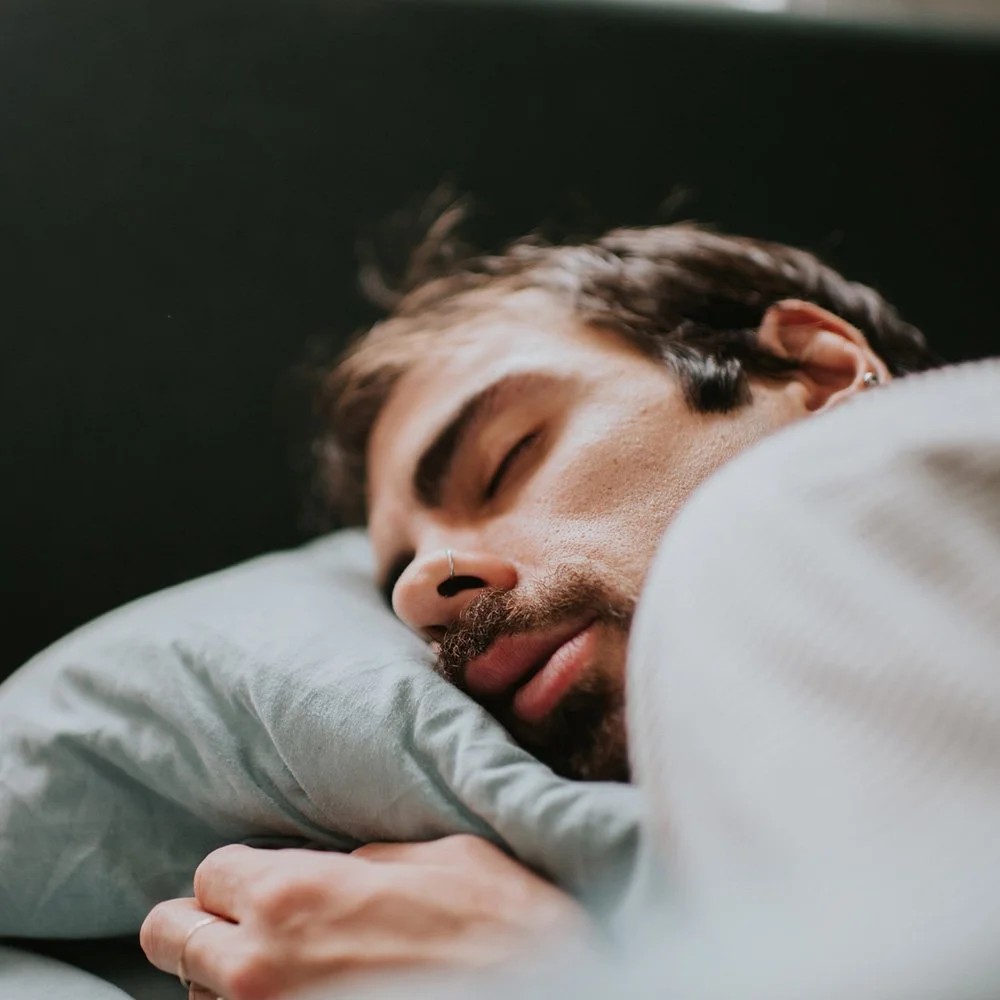
It is a frustrating paradox: you spend nine or ten hours in bed, yet you wake up feeling just as exhausted as when you laid down. While occasional long sleep sessions are a normal response to illness or a busy week, persistent oversleeping —often clinically referred to as hypersomnia —is frequently a signal from your body that something is out of balance.
Understanding whether your sleep is a restorative necessity or a symptom of an underlying issue is the first step toward reclaiming your energy.
Defining the Boundary: When is Sleep “Too Much”?
The American Academy of Sleep Medicine recommends that most adults aim for 7–9 hours of sleep per night to maintain long-term health.
While sleeping more than nine hours might be perfectly fine if you are recovering from an illness or catching up on “sleep debt,” it becomes a concern when it becomes a chronic pattern. Hypersomnia is characterized by excessive daytime sleepiness and an inability to feel refreshed, even after long periods of rest. In these cases, sleep isn’t just a choice; it feels uncontrollable.
10 Common Reasons for Excessive Sleep
Oversleeping is rarely caused by a single factor. Usually, it is a complex interplay between your physical health, mental state, and lifestyle habits.
Mental and Emotional Drivers
- Depression and Anxiety: Depression can manifest in two ways: insomnia (inability to sleep) or hypersomnia (excessive sleep). When sleep is used as a coping mechanism for low mood or loss of interest, it often fails to provide true rest. Anxiety, meanwhile, can degrade the quality of sleep, leaving you restless and exhausted.
- Stress and Burnout: Chronic stress drains your mental and physical reserves. Burnout, in particular, can create a heavy sense of fatigue that extra sleep only partially masks.
- Life Transitions: Grief, major career changes, or the intense demands of caregiving can strain the nervous system, making sleep a natural refuge from emotional overload.
Physical and Biological Factors
- Medical Conditions: Underlying issues such as hypothyroidism, anemia, sleep apnea, diabetes, or chronic fatigue syndrome (ME/CFS) are frequent culprits. These often require blood tests or clinical exams to identify.
- Sleep Disorders: Conditions like narcolepsy or idiopathic hypersomnia (where the cause is unknown) can cause intense sleepiness regardless of how much rest you get.
- Seasonal Changes: Reduced daylight in winter can disrupt your circadian rhythm. For those with Seasonal Affective Disorder (SAD), the body may produce excess melatonin, leading to increased sleepiness.
Lifestyle and Chemical Influences
- Sleep Debt: If you have consistently lacked sleep, your body will eventually demand a “rebound,” forcing you to sleep longer to recover.
- Medication Side Effects: Antidepressants, antihistamines, and certain blood pressure medications can induce significant drowsiness.
- Alcohol Consumption: While alcohol may help you fall asleep faster, it fragments your sleep cycles—specifically REM sleep—meaning you wake up feeling unrefreshed.
Strategies to Reset Your Energy
If you want to break the cycle of oversleeping, the goal is not a drastic overhaul, but rather a series of small, consistent adjustments to your biological clock.
1. Stabilize Your Circadian Rhythm
The most effective way to regulate your internal clock is to set a consistent wake-up time, even on weekends. To make this easier:
* Place your alarm across the room to force movement.
* Avoid the “snooze” button, which often leads to deeper, more groggy sleep cycles.
2. Prioritize Light Exposure
Light is the primary signal to your brain that the day has begun. Aim for 10–30 minutes of natural sunlight within an hour of waking. If you live in a dark climate, consider a light therapy box or a sunrise alarm clock to mimic natural light.
3. Optimize Sleep Quality Over Quantity
Sleeping more does not equate to sleeping better. To improve the efficiency of your rest:
* Keep your bedroom cool, dark, and quiet.
* Limit screen time 30–60 minutes before bed.
* Avoid alcohol near bedtime to prevent sleep fragmentation.
4. Manage Daytime Naps and Movement
If you must nap, keep it strategic: aim for 20–30 minutes before 2:00 PM. Napping on a couch rather than your bed can help prevent you from slipping into a deep sleep that ruins your nighttime rest. Additionally, incorporate light movement—like a 15-minute walk—to boost circulation and alertness.
5. Address the Emotional Root
If oversleeping feels like an escape from reality, seek external support. Building small social commitments or engaging in therapy can help prevent the isolation that often fuels hypersomnia.
Summary: Persistent oversleeping is often a symptom rather than a standalone problem. Whether caused by lifestyle, medical conditions, or mental health struggles, the key to recovery lies in stabilizing your daily routine and addressing the underlying cause through professional guidance or behavioral changes.