

Ulcerative colitis (UC) is a chronic inflammatory condition affecting the colon and rectum. While medications and lifestyle changes can often manage it, surgery may be necessary if treatment isn’s working well or if dangerous complications arise. This article explains what to expect after UC surgery, including the procedures involved, diet adjustments, potential complications, and when to seek medical attention.
Types of Surgery for Ulcerative Colitis
The two most common surgical procedures for UC are:
- Proctocolectomy with ileal J-pouch creation (J-pouch surgery): This procedure creates an internal reservoir to mimic natural bowel function.
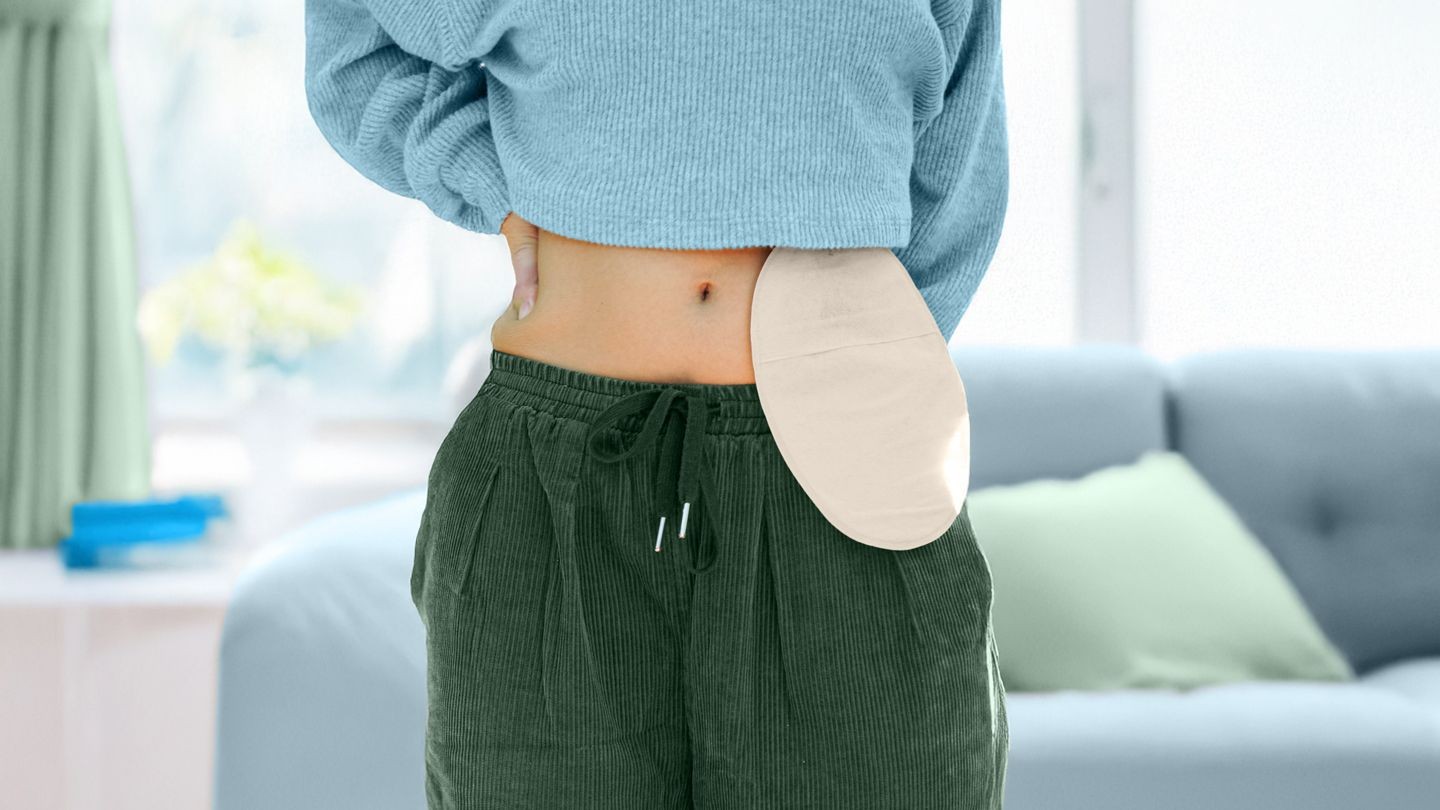
- Proctocolectomy or colectomy with end ileostomy: This involves using an external pouch, which is manually emptied.
The type of surgery chosen depends on several factors, including the presence of co-occurring conditions, patient age, and a shared decision-making approach.
End Ileostomy
An end ileostomy is commonly performed on older adults and those with other health conditions, or those who prefer to avoid J-pouch surgery due to potential risks. In this procedure, the entire colon and typically the rectum are removed, offering a surgical cure for UC. Individuals with an ileostomy will need to learn how to manage the external pouch used to collect waste.
Complications associated with an end ileostomy can include high-volume bowel movements leading to dehydration, skin irritation, stoma infections, and mechanical issues with the pouch components.
J-Pouch Surgery
J-pouch surgery is typically performed in two or three separate procedures. The colon and rectum are removed, and tissue from the ileum (the end of the small intestine) is used to create a pouch, which is then connected to the anus. While the process can sometimes be completed in a single surgery, multistage procedures often lead to better outcomes.
This type of surgery allows defecation through the anus. The colon’s role in absorbing water from waste and solidifying fecal matter means that bowel movements after colon removal will be more frequent and range from liquid to solid. Typical output for J-pouch patients ranges from 4 to 10 bowel movements per day, with adjustment and improvement often occurring over several months. While J-pouch function is typically excellent, some patients may need to use antidiarrheal medications, fiber supplements, or other treatments to manage output.
Diet After Ulcerative Colitis Surgery
Immediately after surgery, increased water intake and easily digestible protein are recommended for healing. The goal is to achieve normal digestive function as soon as possible, often starting with a liquid diet for several days, followed by soft, bland foods.
Over time, it’s often possible to transition to higher-fiber foods, with guidance from a registered dietitian who can help identify foods that don’t trigger symptoms like gas, bloating, or abdominal pain. While higher-fiber foods may cause issues early on, they are generally acceptable in the long term. Individuals may still experience food triggers, such as spicy, dairy, and fatty foods, which can be identified through a food diary or symptom-tracking app.
Common Complications After Ulcerative Colitis Surgery
Both J-pouch and end ileostomy procedures carry potential short- and long-term complications.
J-Pouch Complications
攺The most common complication is pouchitis, an inflammation of the J-pouch. Other potential issues include:
- Fecal incontinence
- Small bowel obstruction
- Leakage from the pouch or connections
- Recurrence of UC in the pouch
End Ileostomy Complications
- Stoma complications: such as stenosis (narrowing), prolapse (protrusion), or retraction
- Skin irritation around the stoma
- Bowel obstruction
- Infection
When to See a Doctor
Regular checkups are vital to monitor for infections or other complications. Most patients see their doctor several times within the first couple of months and then annually for ongoing UC management.
Contact a doctor immediately if you experience:
- New or worsening abdominal or pelvic pain
- Recurring or sustained fever despite medication
- Changes in bowel movement frequency or urgency
- Blood in stool
- Worsening diarrhea
- Feeling of incomplete evacuation of bowels
The Takeaway
Surgery may be an option if UC isn’s adequately managed with medications and lifestyle changes, or if complications arise. Following surgery, it’s important to adjust your diet and make lifestyle changes, such as adjusting physical activity levels.
Resources We Trust
- Mayo Clinic: Colectomy
- Cleveland Clinic: Proctocolectomy
- Crohn’s & Colitis Foundation: J-Pouch Surgery
- United Ostomy Associations of America: What Is an Ostomy?
- American Cancer Society: Living With an Ostomy
Editorial Sources
Everyday Health follows strict sourcing guidelines to ensure the accuracy of its content, outlined in our editorial policy. We use only trustworthy sources, including peer-reviewed studies, board-certified medical experts, patients with lived experience, and information from top institutions.
Resources
- Surgery for Ulcerative Colitis. Crohn’s & Colitis Foundation.
- Ulcerative Colitis (UC) Surgery. UNC Health.
- Shore BM et al. Current Perspectives on Indications for Ileal Pouch–Anal Anastomosis in Older Patients. Clinical and Experimental Gastroenterology. September 23, 2022.
- J-Pouch Surgery for Ulcerative Colitis. Crohn’s & Colitis Foundation.
- Antoniussen CS et al. Reducing Disease Activity of Inflammatory Bowel Disease by Consumption of Plant-Based Foods and Nutrients. Frontiers in Nutrition. December 8, 2021.
- Dietary Fiber: Essential for a Healthy Diet. Mayo Clinic. December 11, 2024.
- Exercise. Crohn’s & Colitis Foundation.
- Intimacy After Ostomy Surgery. United Ostomy Associations of America.
- Chapman GM et al. Living With a J-Pouch. United Ostomy Associations of America. 2024.
- Caycedo A. Living With a Colostomy Bag: How to Be More Active. Orlando Health. January 5, 2024.
- Dames NB et al. ‘Let’s Talk About Sex’: A Patient-Led Survey on Sexual Function After Colorectal and Pelvic Floor Surgery. Colorectal Disease. February 22, 2021.
- Omprakash TA. How to Find a Mental Health Provider. United Ostomy Associations of America.
- Heuthorst L et al. Ileal Pouch–Anal Anastomosis Complications and Pouch Failure: A Systematic Review and Meta-Analysis. Annals of Surgery Open. June 2021.
- Santos FDCGG et al. Ileostomy: Early and Late Complications. Journal of Coloproctology. March 11, 2024.
- J-Pouch Surgery. Cleveland Clinic. July 26, 2023.
- Lan N et al. Fecal Incontinence and Defecatory Disorders in Patients With Ileal Pouch–Anal Anastomosis. Gastroenterology & Hepatology. January 19, 2023.
- Barnes EL et al. AGA Clinical Practice Guideline on the Management of Pouchitis and Inflammatory Pouch Disorders. Gastroenterology. January 2024.
- Caring for an Ileostomy. American Cancer Society.
- Ulcerative Colitis – Discharge. MedlinePlus. October 30, 2024.
Meet Our Experts
Ira Daniel Breite, MD
Medical Reviewer
Ira Daniel Breite, MD, is a board-certified internist and gastroenterologist. He is an associate professor at the Icahn School of Medicine at Mount Sinai, where he also sees patients and helps run an ambulatory surgery center.
Elizabeth Millard
Author
Elizabeth Millard is a freelance writer based in northern Minnesota. She focuses on health, wellness, and fitness, and has written for Runner’s World, Bicycling, Self, Women’s Health, Men’s Health, Prevention, Experience Life, and more. She is an American Council on Exercise–certified personal trainer and a Yoga Alliance-registered yoga teacher. She graduated from Harvard University with a bachelor’s degree in English.