




The history of personal hygiene is surprisingly ancient. The Sumerians, credited with inventing the wheel and the first written language, also figured out how to mask body odor. Their methods were rudimentary by today’s standards, but the desire to stay fresh is a constant human drive. Fast forward to 1888, and we see the first modern, mass-produced deodorant hit the market. It was a cream. You applied it with your fingers. Social lives improved immediately.
The Rise of Roll-Ons and Aerosols
By the 1950s, the hand-dabbing era ended. Roll-on deodorants arrived, using an applicator that looked like a ballpoint pen. It was cleaner. It was faster. Hand-dabbing became obsolete.
Ten years later, aerosol-spray deodorants entered the chat. Then came the 1970s, introducing stick deodorants. These mixed deodorant with waxes, fats, and emollients to create a solid bar. You slide it on plastic. You slide it off. Simple.
The Environmental Cost of Aerosols
There was a catch with those early sprays. They used chlorofluorocarbons (CFCs) as propellants. These chemicals released chlorine into the atmosphere. The chlorine destroyed the ozone layer, which protects us from ultraviolet radiation. It’s not good.
In 1994, the US banned CFCs in aerosol sprays. The atmosphere won’t fully recover until around 2050. Manufacturers switched to safer propellants. The sprays stayed. The air got slightly better.
Stick vs. Spray: Which Is Better?
There is no universal winner. It depends on what you value more. Speed. Dryness. Cleanliness.
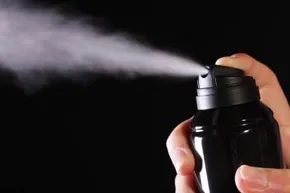
Spray deodorants dry quicker under the arm. You spray each pit for a couple of seconds. You flap your arms. You’re done. No waiting.
Roll-ons and sticks take longer to dry. If you put on a black T-shirt too soon, you get white stains. White tiger stripes. Nobody wants that.
Spray deodorants tend to dry quicker under the arm than other deodorants, but you often end up breathing them in upon application.
Then there’s the social aspect. Nobody likes to stand next to someone spraying deodorant all over the place. It drifts. It lingers. And if you take a deep breath of that aerosol cloud, it’s not pleasant.
Airport Security and Travel
Travel changes the equation. Gel and spray deodorants must be small. Less than 3.4 ounces. They must go in quart-sized baggies. It’s a pain.
Stick deodorants don’t care about TSA rules. You can bring a stick of any size. No bag required. For land-tethered humans, try all three. For those staying dry in the sky, stick is the way to fly.
Frequently Asked Questions
What is the best deodorant for odor control?
Sweat is actually odorless. It only stinks when it mixes with bacteria. Diet. Medical conditions. Lifestyle habits. All of these influence your bacterial count.
This means a formula that worked for your friend might not work for you. You may have to try a few deodorants before finding active ingredients that suit your chemistry.
Is spray deodorant bad for you?
Old aerosol deodorants used CFCs. Those are banned. Modern spray deodorants are generally safe for healthy people.
However, inhaling the spray during application can cause headaches. Some people are sensitive to the propellants. If you get a headache, stop using it.
What is the difference between antiperspirant and deodorant?
They work differently. Deodorants mask odor. They increase skin acidity to make it less attractive to bacteria.
Antiperspirants reduce sweat. They use aluminum-based compounds to block sweat pores. These are available over-the-counter or by prescription.
Is antiperspirant bad for you?
There is concern. Some worry that aluminum affects estrogen receptors in breast cells. This could theoretically increase a woman’s chance of getting breast cancer.
There is no conclusive proof yet. The science is ongoing. But the worry exists.
The Bottom Line
Deodorant formats are a matter of personal preference. Spray dries fast. Stick is travel-friendly. Roll-on is cheap.
You might have to experiment. You might end up switching brands every few months. That’s normal. Your body changes. Your bacteria change. Your preferences change.
Just remember to check the ingredients. Check the drying time. Check the TSA rules if you’re flying. The rest is up to you.