


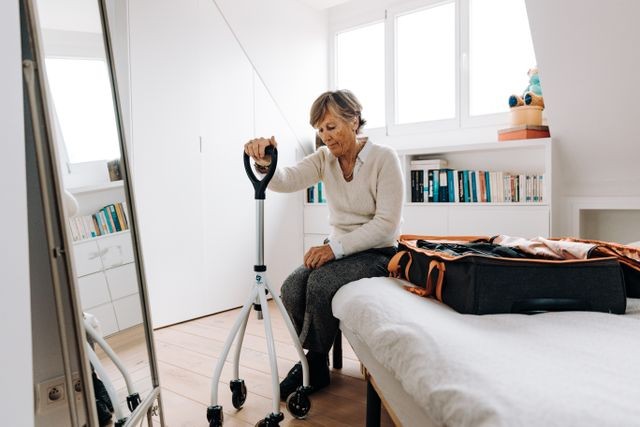
A slip in the shower. A trip over a rug. It takes one second for life to shift from routine to crisis.
The Centers for Disease Control and Prevention calls falls the leading cause of injury for adults over 65. Millions end up in emergency rooms each year because of accidents that were entirely preventable.
Aging does steal some balance. Muscle fades. Vision dims. But often, the enemy isn’t your body—it’s your house.
Loose cables. Dark corners. Smooth porcelain. These hazards hide in plain sight until it’s too late.
You can fight back. You don’t need to move to a assisted living facility to be safe. With a few strategic updates, you can turn your home into a sanctuary that protects you as you age.
Here is how to make those changes.
The Silent Dangers Inside Your Own Walls
We worry about ice on the sidewalk. We worry about uneven pavement. But statistics show most falls happen indoors.
Why? Familiarity breeds neglect. You walk through the same halls every day. You stop noticing the clutter. The worn rug. The threshold that catches your toe.
Common culprits include:
* Slippery bathroom surfaces.
* Unsecured throw rugs.
* Shadows in the hallway.
* Stairs missing handrails.
These aren’t accidents. They are design flaws waiting for a misstep.
Install Grab Bars for Real Stability
Towel bars are not grab bars.
Towel bars hold towels. They collapse if you lean your weight on them. Grab bars are built to hold you.
Bathrooms are high-risk zones. Water turns tile into an ice rink. Installing certified grab bars near the toilet and inside the shower is non-negotiable for many. They provide a anchor when standing up, sitting down, or stepping out.
Look for models with brushed nickel or matte black finishes. They don’t have to scream “medical aid.” They can look like modern design elements.
Walk-In Showers Eliminate the Bathtub Barrier
Traditional tubs require a high step. As mobility drops, that barrier becomes a trap.
Walk-in showers remove the obstacle. They come with features that actively reduce risk:
* Non-slip flooring.
* Built-in benches.
* Handheld wands for easy rinsing.
* Wide, low-entry doors.
It’s not just about safety. It’s about dignity. You shouldn’t need to perform an acrobatic maneuver just to take a shower.
Lighting Is a Safety Tool, Not Just Ambience
As eyes age, they need more light. The same brightness that felt plenty at 40 feels dim at 70.
Dark staircases are deadly. Unlit hallways lead to collisions.
Upgrade your lighting strategy. Swap out dim bulbs for high-lumen LEDs. Install motion-activated night lights in the bedroom and bathroom. Put lights on stair treads.
Better visibility lets your brain process changes in the floor surface. It gives your body time to react.
Clear the Tripping Hazards
This costs nothing but requires effort.
Walk through your home. Look down. What do you see?
Extension cords snaking across the path? Shoes near the door? Loose rugs with no non-slip backing?
Tape down cords. Remove rugs or secure them with heavy-duty adhesive. Clear the hallways. Keep paths wide and open.
Simple is effective. A clear path is a safe path.
Swap Flooring for Traction
Hardwood is beautiful. It can be slick. Carpet can bunch up. Both are risky when wet or worn.
Consider replacing slippery surfaces with high-traction materials. Look for:
* Textured porcelain tile in the bathroom.
* Vinyl planks with slip resistance.
* Low-pile carpet with non-slip pads.
If a full remodel isn’t in the budget, secure non-slip mats in key areas. But remember: mats can become hazards if they curl at the edges. Secure them properly or remove them.
Reinforce Your Staircases
Stairs demand balance. They demand strength. If you lack either, stairs are a challenge.
Handrails on both sides of the staircase. Not just one. You need support coming up and coming down.
Other fixes:
* Apply high-contrast tape to stair edges.
* Install non-slip treads.
* Brighten overhead lights.
Small tweaks prevent big falls.
Create a Zero-Step Entrance
One step at the front door seems trivial. Until it isn’t.
A single step can trip you. It can hurt you if you fall. It complicates carrying groceries.
A zero-step entrance creates a seamless transition. It helps those with walkers, wheelchairs, and canes. It makes loading and unloading cars easier for everyone.
It’s an investment, but it removes a major barrier from entering or leaving your home.
Widen Doorways for Accessibility
Older homes often have narrow doors. A standard wheelchair is 30 inches wide. Add a few inches for comfort, and those old doors become bottlenecks.
Widening doorways allows easier navigation. It gives caregivers space to assist if needed. It allows you to age in place without feeling trapped.
It’s a structural change. But it pays off in freedom.
Keep the Bedroom on the Main Floor
Climbing stairs twice a day adds up.
It’s tiring. It’s risky. One bad night and a stumble on the stairs can lead to a hospital visit.
If you have a two-story home, consider moving your bedroom and bathroom to the first floor. Many people make this switch proactively. They do it before they need to. They do it while they still have the energy to manage a renovation.
Staying in the house you love matters. Removing the stairs helps you stay longer.
Stair Lifts for Multi-Level Living
Can’t or won’t move to one floor?
A stair lift is an option. It carries you up and down the stairs.
It doesn’t work for every home layout. It takes up some space. But for many, it preserves independence. It lets you keep the master bedroom upstairs if you prefer.
It’s a mechanical solution to a human problem.
Use Technology for a Safety Net
Physical changes are primary. Technology is secondary. But valuable.
Smart home devices can add layers of security:
* Voice assistants to control lights without getting up.
* Video doorbells to see who is there.
* Fall detection wearables that alert emergency contacts.
* Medication reminders.
These tools don’t fix the floor. But they can speed up help if something goes wrong. Peace of mind is real.
Have an Emergency Response Plan
Even with the best home, accidents happen.
Personal emergency response systems (PERS) allow you to call for help with a button press. Newer models detect falls automatically.
If you fall and can’t reach your phone, this device is vital. It bridges the gap between injury and rescue.
Planning Ahead Is Smart, Not Pessimistic
A common mistake is waiting until a fall happens to make changes.
By then, it’s emergency mode. Decisions are rushed. Costs are higher. Stress is maxed out.
Plan ahead.
Research options. Hire reputable contractors. Take your time.
Proactive modification is cheaper than reactive reconstruction. It is less stressful. It is safer.
Thinking About the Cost?
Some changes are cheap. Grab bars. Night lights. Clearing clutter.
Others require investment. Walk-in showers. Zero-step entrances. Stair lifts.
If upfront cost is a barrier, look into financing. Some contractors partner with lenders to offer payment plans.
This allows you to spread the cost over time. It doesn’t drain your savings instantly. It makes safety affordable.
Don’t let budget concerns delay a life-saving upgrade.
The Goal Is Independence
We don’t modify our homes out of fear. We do it to stay free.
To remain in the house we know. To cook our own meals. To sleep in our own bed.
Every grab bar. Every light bulb. Every cleared hallway contributes to that goal.
It’s not about preparing for the end. It’s about extending the middle. The good years.
Start small. Clear the floor. Fix the light. Install a bar.
Do it before you have to. The best time was yesterday. The second best time is today.


