




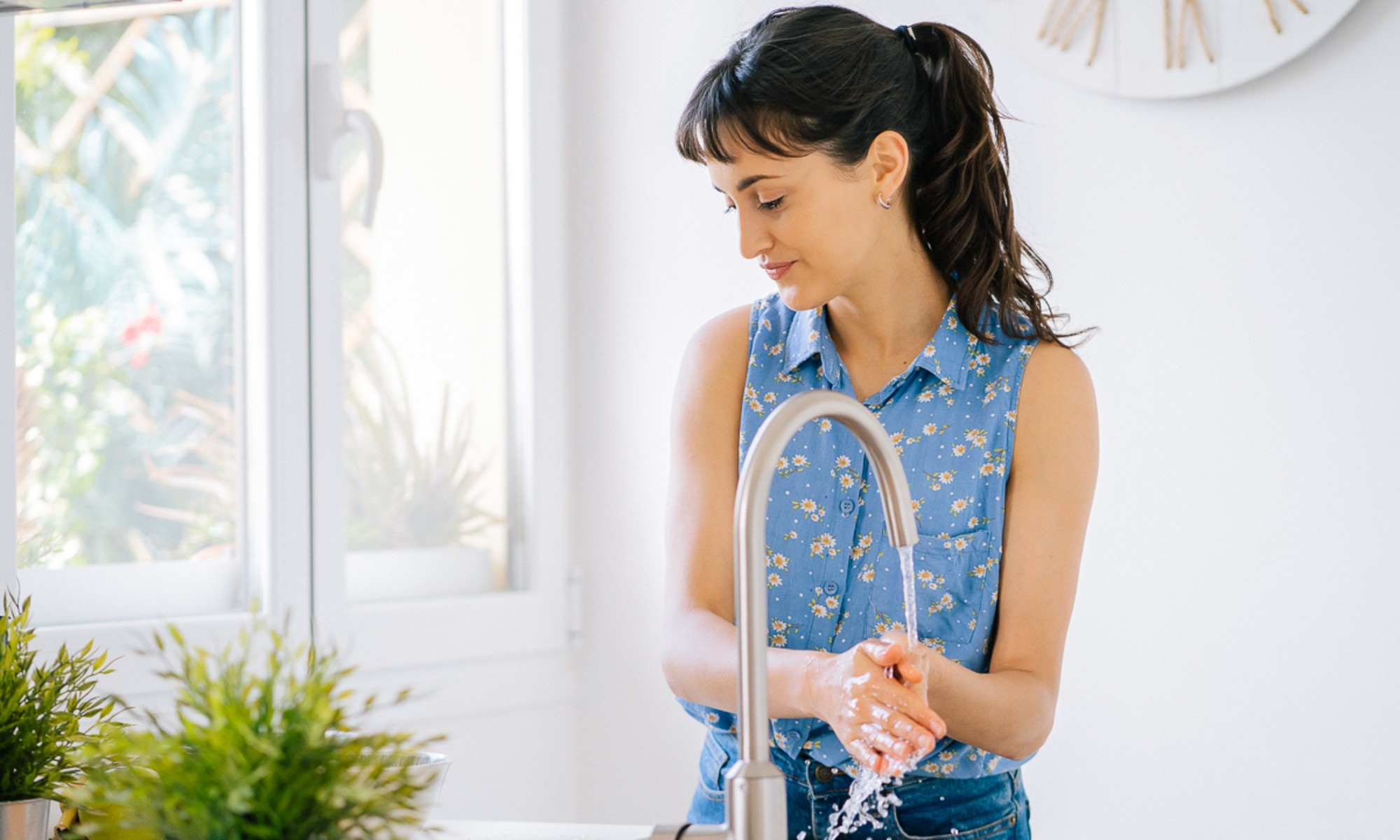
The widespread use of antibacterial soaps and cleaning products may be creating a bigger public health problem than the germs they’re meant to eliminate. New research highlights that these products, commonly found in homes, contribute to antimicrobial resistance (AMR) —a growing global threat where bacteria evolve to withstand not just disinfectants, but also life-saving antibiotics.
The Problem with Biocides
Biocides, the germ-killing chemicals in antibacterial soaps and wipes (like quaternary ammonium compounds and benzalkonium chloride), don’t just kill germs on contact. When used repeatedly at low doses—as they are in most households—some bacteria survive. These survivors adapt, becoming tolerant to biocides and cross-resistant to medically important antibiotics. The same genetic mechanisms that help bacteria withstand disinfectant exposure can also protect them from the antibiotics doctors rely on to treat infections.
This is especially concerning because biocides are readily available over-the-counter, unlike antibiotics which require prescriptions. This means consumers are unknowingly contributing to AMR simply by using everyday cleaning products.
Do Antibacterial Products Even Work Better?
Surprisingly, the answer is no. For routine cleaning, antibacterial products are no more effective than plain soap and water. Soap physically lifts germs off the skin, rinsing them away without needing harsh chemicals. In fact, the U.S. Food and Drug Administration banned 19 antibacterial ingredients in 2016 after manufacturers failed to prove they provided any additional health benefits or were safe for long-term use.
When Disinfectants Make Sense
Disinfectants are essential in healthcare settings to prevent hospital-acquired infections and may be beneficial for immunocompromised individuals under medical supervision. They are also useful when cleaning surfaces after exposure to contagious illnesses. However, for healthy people in everyday settings, their routine use offers no meaningful advantage while still driving resistance.
Simple Swaps for a Healthier Home
Reducing your reliance on antibacterial products is the safer choice:
- Switch to plain soap: Proper handwashing technique (20 seconds, scrubbing all surfaces) is just as effective.
- Use regular cleaners: Dish soap, all-purpose cleaners, and vinegar-based solutions work well without unnecessary biocides.
- Reserve disinfectants: Use them only when someone is sick or when targeted disinfection is necessary.
- Read labels: Avoid products labeled “antibacterial” or containing ingredients like benzalkonium chloride.
- Focus on technique: Thorough scrubbing and rinsing matter more than the product itself.
Ultimately, the belief that “cleaner is healthier” has led to the overuse of antibacterial products with no real daily benefit. By opting for plain soap and water, and reserving stronger disinfectants for when they’re truly needed, you’re making a better choice for your family and public health.