



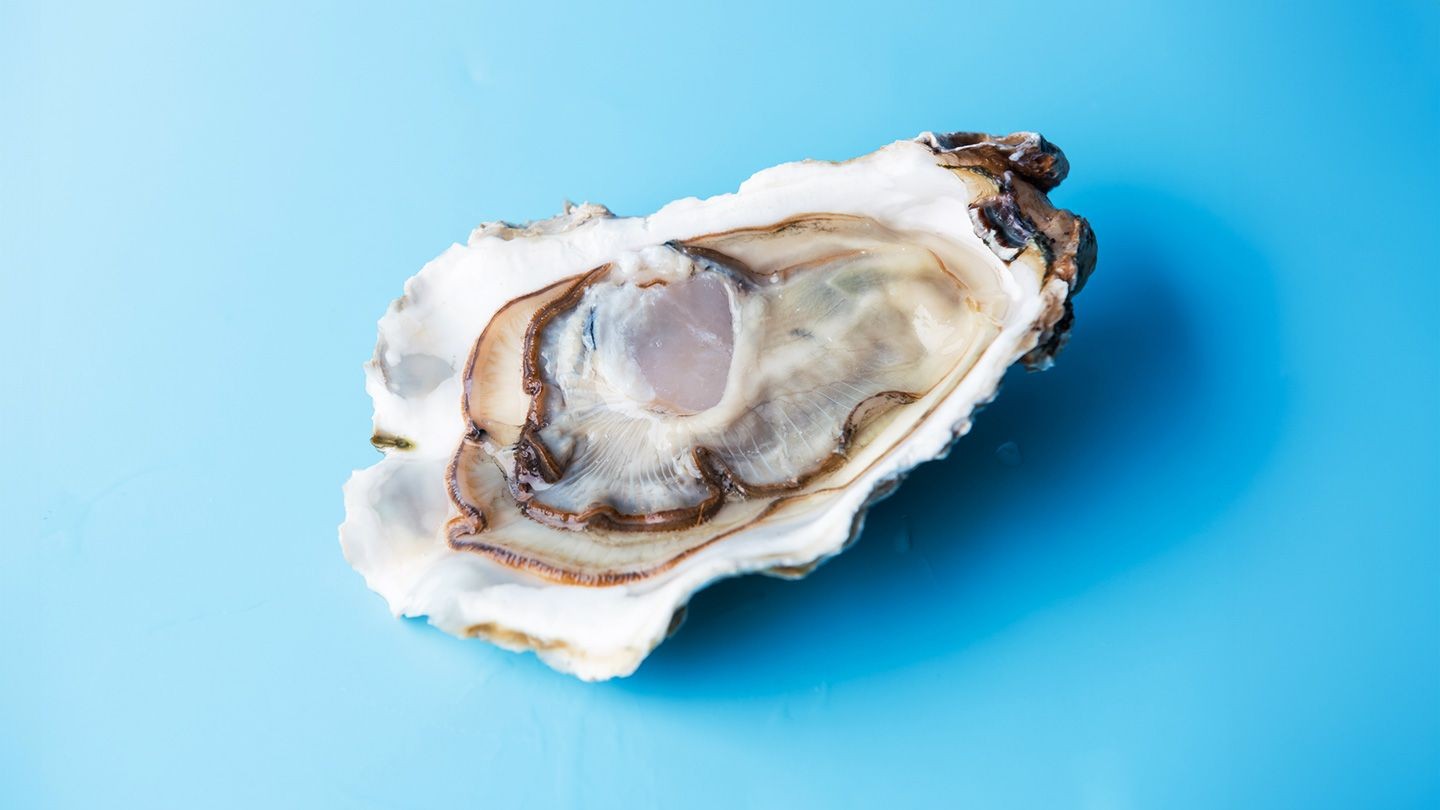
Oysters, those briny delicacies belonging to the mollusk family, have captivated palates worldwide for centuries. Found in saltwater environments across the globe, these bivalves are unique among their shellfish cousins for being enjoyed both raw and cooked. But beyond their culinary allure lies a powerhouse of nutrition with potential benefits and risks that every oyster enthusiast should understand.
Nutritional Powerhouse
A modest serving – about two medium or three small oysters – packs a hefty nutritional punch: just 3 ounces deliver 69 calories, 8 grams of protein, minimal fat (2 grams), and 4.2 grams of carbohydrates. While they contain some sodium (90 milligrams) and cholesterol (43 mg), the abundance of other nutrients truly sets them apart.
Oysters are an exceptional source of vitamin B-12 – a single serving provides over half your daily recommended intake! They’re also rich in essential minerals like copper (149% DV), zinc (128% DV), and selenium (119% DV). A dozen oysters would provide you with roughly 413 calories, but the sheer concentration of these vital nutrients makes them a nutrient-dense choice.
Health Benefits: From Brain to Immunity
The impressive vitamin and mineral profile of oysters translates into several potential health benefits:
- Cognitive Support: Oysters are loaded with brain-boosting nutrients like vitamin B-12 and omega-3 fatty acids. Vitamin B-12 is crucial for cognitive function, especially as we age, potentially mitigating the risk of dementia and Alzheimer’s disease by aiding homocysteine metabolism. Omega-3s, specifically EPA and DHA, are vital components of brain cell membranes, supporting numerous neurological processes and possibly protecting against cognitive decline.
-
Immune Powerhouse: Oysters reign supreme in zinc content among all foods! This trace mineral is a key player in DNA synthesis, wound healing, and immune response. Zinc supplementation has even been shown to potentially shorten the duration of common colds.
-
Energy Enhancement: Iron, found abundantly in oysters (nearly 25% DV per serving), plays a vital role in red blood cell production, oxygen transport throughout the body, and muscle metabolism. Iron deficiency can lead to fatigue, weakness, gastrointestinal issues, weakened immunity, and impaired cognitive function, so consuming adequate amounts is essential for overall energy levels.
Potential Risks: Food Allergies and Infections
Despite their benefits, oysters present some potential downsides:
-
Shellfish Allergies: Shellfish allergies are common, with oysters included among the most problematic culprits. Reactions can range from mild (swollen lips or itchy mouth) to severe (anaphylactic shock). Seek immediate medical attention if you experience difficulty breathing, swelling of the throat, dizziness, or rapid heartbeat after consuming oysters.
-
Vibriosis: Eating raw oysters carries a risk of vibriosis, an infection caused by Vibrio bacteria. Most people experience mild diarrhea but severe cases can be life-threatening. Opt for oysters from reputable sources and ensure they are handled properly to minimize this risk.
-
Drug Interactions: The high zinc content in oysters can interfere with certain medications, including quinolone antibiotics (like Cipro) and tetracycline antibiotics (Achromycin). Similarly, zinc can impact the effectiveness of penicillamine (used for rheumatoid arthritis). Consult your doctor or pharmacist about potential interactions if you take any medication.
Enjoy Oysters Safely: Preparation Tips
Oyster safety begins with proper preparation:
- Start Fresh: Discard any oysters with broken or open shells—they’ve died and are unsafe to eat.
- The Brine Bath: Scrub the outside of each oyster thoroughly, then soak them in a brine solution (1/4 cup salt per 4 cups cold water) for at least an hour before shucking. This helps purge any grit they may have ingested.
Enjoy oysters responsibly and savor their unique flavor while reaping their nutritional benefits