
Protein is a fundamental nutrient for human health, playing a vital role in everything from muscle growth and repair to hormone production and immune function. While often discussed in fitness circles, adequate protein intake is crucial for everyone, not just athletes. This guide breaks down the science behind protein, explains how much you need, and clarifies the differences between plant and animal sources.
Why Protein Matters: Beyond Muscle Building
Protein isn’t just about building biceps. It’s the foundational building block of your body, comprising roughly 80% of muscle mass. Beyond muscle, protein is critical for:
- Hormone Synthesis: Proteins form the basis for many hormones that regulate vital bodily functions.
- Immune Function: Antibodies, the defenders against illness, are made of protein.
- Blood Sugar Control: Protein slows digestion, preventing spikes in blood sugar and promoting satiety.
- Bone Health: Protein contributes to bone density and strength, reducing fracture risk.
- Brain Function: Neurotransmitters like dopamine and serotonin—which influence mood and cognitive function—rely on amino acids, the building blocks of protein.
Essentially, a protein-deficient diet undermines these essential processes, making you more vulnerable to illness and impacting overall well-being.
Animal vs. Plant Protein: What’s the Difference?
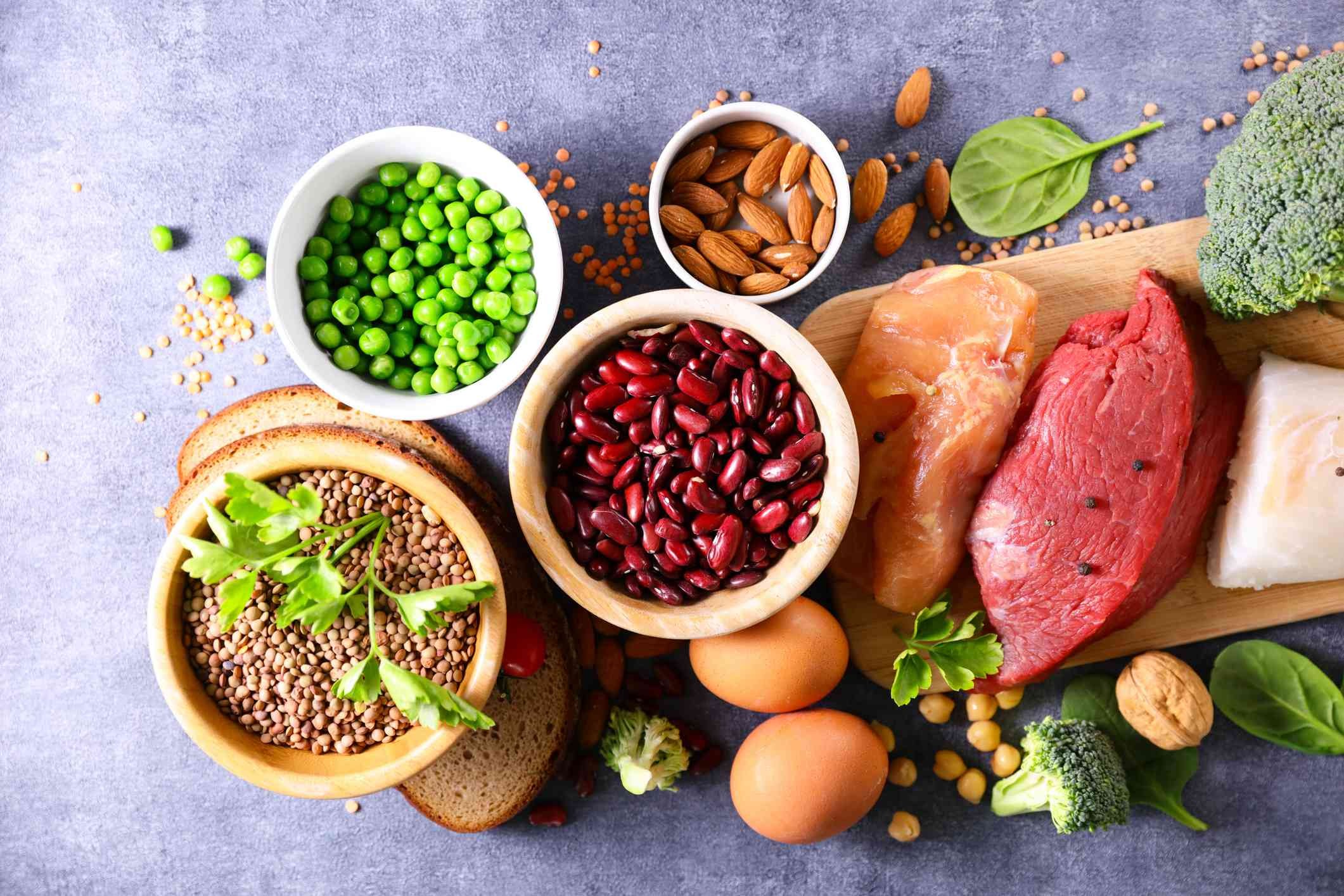
Protein comes in two main forms: animal and plant-based. Animal proteins (meat, eggs, dairy) are considered “complete” because they contain all nine essential amino acids – those your body cannot produce on its own.
Plant proteins, on the other hand, are often “incomplete,” meaning they may lack one or more essential amino acids. However, this isn’t a dealbreaker. Your body maintains an “amino acid pool,” drawing from different sources to create complete proteins as needed.
The key takeaway? Variety is essential. Combining different plant proteins throughout the day ensures you get all the essential amino acids your body requires. While animal proteins may have a slight edge in efficiency, a well-planned plant-based diet can deliver adequate protein just as effectively.
How Much Protein Do You Really Need?
The standard Recommended Dietary Allowance (RDA) is 0.8 grams per kilogram of body weight (0.36 g/lb). However, this is the minimum to prevent deficiency, not the optimal amount for health or performance.
- Sedentary Individuals: The RDA may suffice.
- Active Individuals: Aim for 1.2-2.0 g/kg (0.54-0.9 g/lb).
- Muscle Gain/Weight Loss: 2.3-3.1 g/kg (1-1.4 g/lb) may be necessary to preserve or build muscle while shedding fat.
Pregnancy, injury, or illness also increases protein needs. Listen to your body and adjust accordingly.
Top Protein Sources: Animal and Plant-Based
Here’s a quick guide to protein-rich foods:
Animal:
- Chicken breast: 31g per serving
- Whey protein isolate: 25g per ounce
- Greek yogurt: 19.9g per serving
- Eggs: 6.28g per egg
Plant:
- Pea protein: 24g per ounce
- Tempeh: 19.9g per 100g serving
- Lentils: 17.9g per cup
- Hemp seeds: 9.48g per ounce
Protein powders can supplement your diet, especially for convenience. Look for third-party tested brands to ensure purity.
Potential Risks & Deficiency
High-protein diets are generally safe for healthy individuals, even at intakes exceeding the RDA. However, excessive consumption of processed meats may increase the risk of colon cancer and heart disease. People with kidney disease should moderate protein intake.
Severe protein deficiency (Kwashiorkor) is rare in developed nations but remains a significant problem in impoverished regions.
In conclusion, protein is a non-negotiable nutrient for optimal health. Understanding your individual needs and prioritizing high-quality sources—whether animal or plant-based—is key to unlocking your body’s full potential.