




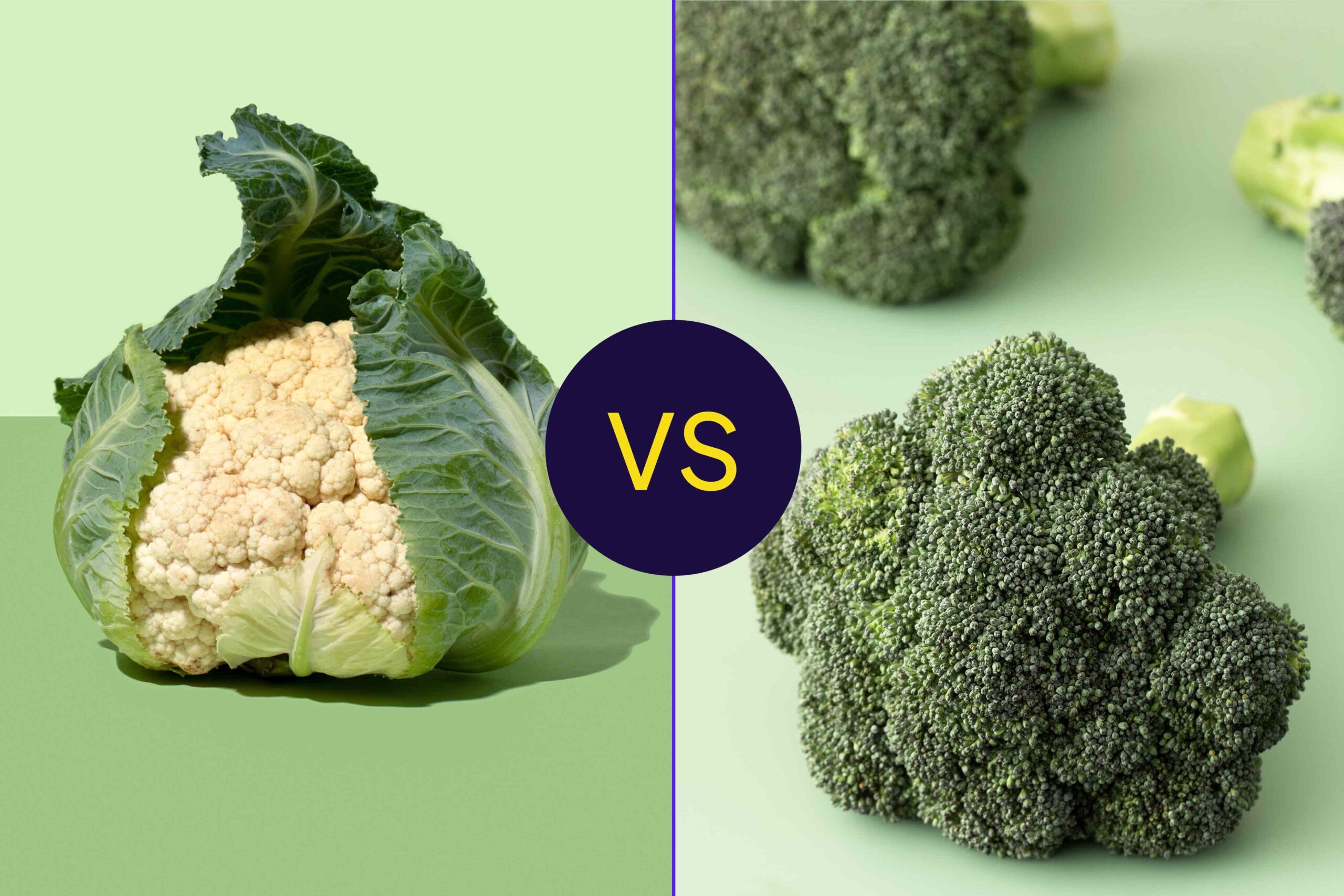
Broccoli and cauliflower are both nutritional powerhouses, belonging to the cruciferous vegetable family alongside kale, Brussels sprouts, and cabbage. While both offer significant health benefits, broccoli edges out cauliflower in terms of vitamin and fiber content. Understanding these differences can help you maximize the nutritional value of your diet.
Fiber Content: A Small But Noticeable Advantage for Broccoli
Fiber is crucial for digestive health, weight management, and blood sugar control. A 100-gram serving of broccoli contains approximately 2.4 grams of fiber, compared to 2 grams in the same amount of cauliflower. Though the difference isn’t dramatic, every bit counts when building a balanced diet.
Fiber promotes gut health by feeding beneficial bacteria, leading to improved digestion and nutrient absorption. It also contributes to satiety, helping you feel fuller for longer and potentially aiding in weight management.
Vitamin Levels: Broccoli Takes the Lead
Broccoli boasts higher concentrations of several key vitamins. A 100-gram serving provides:
- Vitamin A : 8 micrograms (mcg) in broccoli vs. 0 mcg in cauliflower
- Vitamin C : 91.3 milligrams (mg) in broccoli vs. 48.2 mg in cauliflower
- Vitamin K : 102 mcg in broccoli vs. 15.5 mcg in cauliflower
These vitamins play critical roles in maintaining overall health: Vitamin A supports vision and immune function, Vitamin C strengthens the immune system and aids in collagen production, and Vitamin K is essential for blood clotting and bone health.
Versatility and Overall Health Benefits
While broccoli is nutritionally superior in some aspects, cauliflower shines in versatility. It can be riced, mashed, roasted, or even used as a pizza crust substitute, making it easier to incorporate into diverse meals. Both vegetables are low in calories and rich in antioxidants and glucosinolates. These compounds may help reduce the risk of cancer and chronic diseases.
Ultimately, both broccoli and cauliflower are highly beneficial for your health. Choosing between them should come down to preference, dietary needs, and meal planning rather than a strict nutritional hierarchy.
Consuming a variety of cruciferous vegetables, including broccoli and cauliflower, ensures a broad spectrum of nutrients and health-promoting compounds.