


Ulcerative colitis (UC), a chronic inflammatory bowel disease, often leads people to explore dietary interventions like probiotics. However, a lesser-known but potentially important factor is the role of prebiotics : substances that feed beneficial gut bacteria. While probiotics introduce live organisms, prebiotics nurture the microbes already present in your digestive system. This distinction matters because a healthy gut microbiome is increasingly linked to managing UC symptoms.
The Gut Microbiome and UC: An Imbalance
The human gut contains trillions of bacteria, fungi, and other microbes—collectively known as the gut microbiome. Some bacteria, like Lactobacillus and Bifidobacterium, are considered beneficial, while others can contribute to inflammation if they overgrow. People with UC often exhibit dysbiosis : an imbalance in this microbial community. This imbalance can worsen inflammation and affect the course of the disease.
Researchers are actively investigating how manipulating the microbiome – through prebiotics, among other methods – could regulate the gut’s immune response and improve intestinal barrier function.
How Prebiotics May Work
People with UC are prone to dysbiosis, which can lead to a deficiency in short-chain fatty acids (SCFAs). These compounds, produced by beneficial gut bacteria, play a critical role in controlling inflammation throughout the body. SCFAs enhance the activity of regulatory T cells, which help suppress pro-inflammatory immune responses.
Prebiotics support the growth of the bacteria that produce SCFAs, potentially reducing inflammation. However, current research on prebiotics’ direct impact on UC is limited and inconclusive.
Research Findings: Inconclusive, But Promising
Several studies suggest potential benefits of prebiotics in inflammatory bowel diseases, but the evidence isn’t strong enough to recommend them as a standard treatment for UC. Some research indicates that certain prebiotics may be beneficial, while others – like inulin – have even been shown to trigger inflammation in some cases.
The challenge lies in the variability of study designs, small sample sizes, and the frequent evaluation of synbiotics (probiotic + prebiotic combinations), making it difficult to isolate the effects of prebiotics alone. Further rigorous research is needed.
Dietary Sources of Prebiotics
Despite the inconclusive research on UC, incorporating prebiotic-rich foods into your diet is generally considered safe and potentially beneficial for overall gut health. Key sources include:
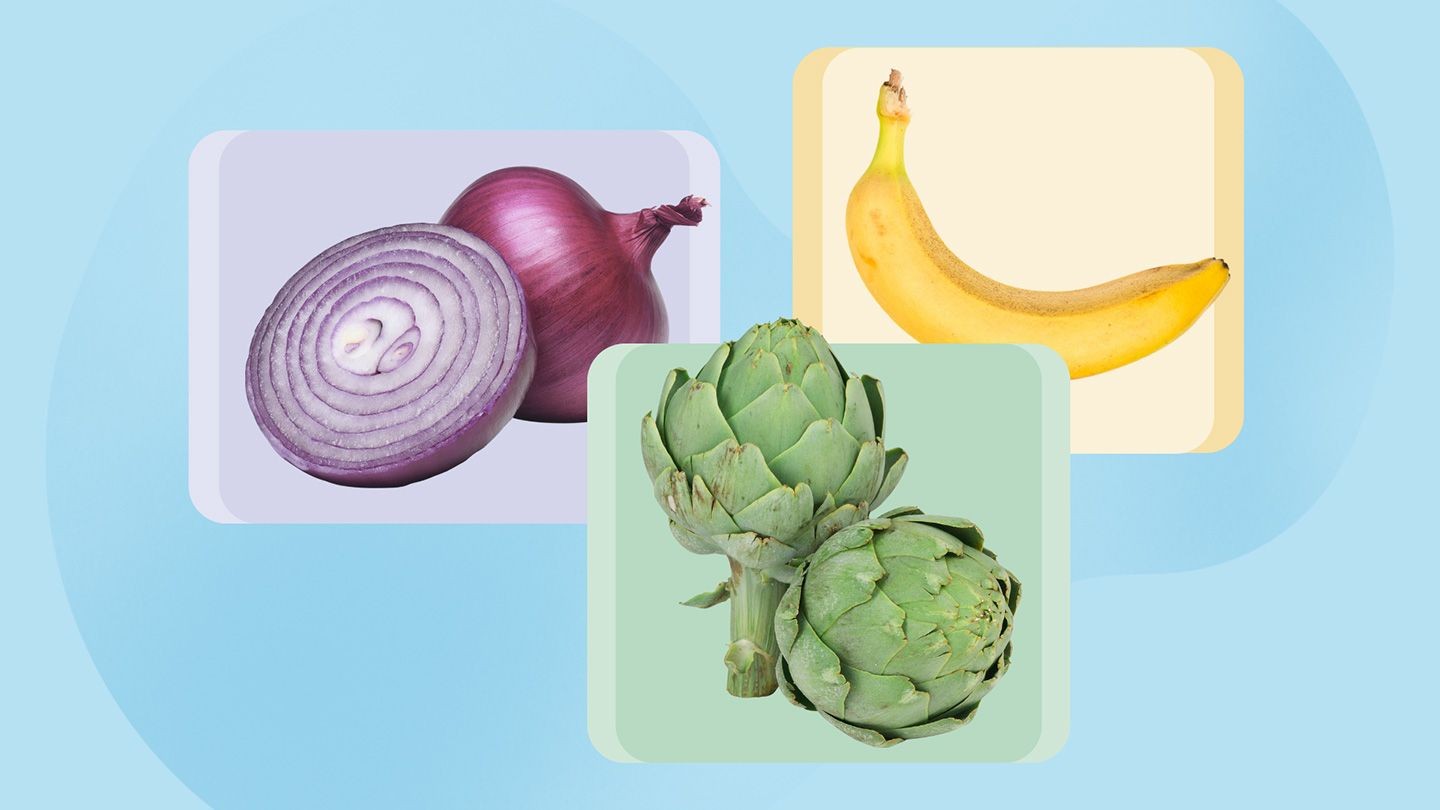
- Inulin: Artichokes, chicory root, garlic, onions, leeks, bananas, asparagus.
- Fructooligosaccharides (FOS): Artichokes, garlic, onions, chicory, bananas.
- Galactooligosaccharides (GOS): Dairy products, whole grains, legumes (chickpeas, lentils).
- Resistant Starches: Cooked and cooled potatoes/rice/pasta, green bananas, whole grains.
- Polyphenols: Fruits, vegetables, herbs, teas, seeds, legumes, whole grains.
Most Americans consume insufficient fiber (22-34 grams daily), and people with IBD often consume even less. Gradual introduction of prebiotic-rich foods, along with increased fluid intake, is recommended to minimize side effects like gas and bloating.
The Bottom Line
Prebiotics can nourish beneficial gut bacteria and potentially reduce inflammation in UC. However, current research is inconclusive and doesn’t yet support using them as a definitive treatment. Incorporating prebiotic-rich foods into your diet may support gut health, but it’s crucial to discuss this with your doctor or dietitian, especially if you have UC.
Further study is needed to determine the optimal types, dosages, and interactions with existing UC medications.