

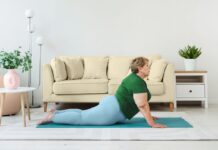



If you are diligently tracking your daily steps but still find yourself waking up exhausted, you may be missing a crucial component of sleep hygiene. Recent large-scale research suggests that how you move matters far more than simply how much you move. While general daily activity is vital for health, it is structured, intentional exercise that serves as the primary driver for improved sleep quality.
The Science of Movement vs. Exercise
A massive study involving over 700,000 Japanese adults has clarified the distinction between incidental movement and formal exercise. The findings reveal a clear hierarchy in how physical activity affects restfulness:
- Starting a routine: People who began a regular exercise regimen saw a 37% increase in the likelihood of feeling more rested.
- Staying consistent: Maintaining an existing habit was linked to 23% higher odds of better sleep, even for those who previously struggled with poor rest.
- The “Step” Gap: Interestingly, general daily movement—such as hitting a 10,000-step goal through errands or household tasks—showed no consistent correlation with improved sleep quality.
This distinction is vital. While walking to the store or pacing during a phone call is beneficial for general health, these “incidental movements” lack the physiological impact required to significantly alter sleep patterns.
Why Intentionality Changes Everything
The reason structured exercise outperforms general movement lies in how it affects your biology. When you engage in a planned workout—such as a run, a weightlifting session, or a brisk, purposeful walk—you are triggering specific physiological responses.
1. Regulating Stress and Biology
Structured exercise helps regulate the hypothalamus-pituitary-adrenal (HPA) axis. This system is the body’s central command for managing stress and sleep-wake cycles. By training this axis through intentional movement, you help your body better manage the hormones that dictate when to be alert and when to rest.
2. The Power of Intensity and Resistance
Different forms of structured movement offer unique benefits:
* High-Intensity Training: Clinical trials have shown that combining high-intensity circuit training with behavioral support can significantly improve objective sleep quality and metabolic health.
* Resistance Training: For older adults, strength training has been proven to improve sleep duration and reduce disturbances, providing a natural, non-drug alternative to sleep aids.
How to Optimize Your Routine
If your goal is to improve your sleep, you cannot rely solely on your pedometer. To see real results, consider these adjustments to your lifestyle:
- Prioritize “Planned” Sessions: Instead of just aiming for a step count, schedule two to three intentional workouts per week. This could be anything from yoga and swimming to HIIT or weight training.
- Focus on Consistency over Intensity: You don’t need to exhaust yourself every day, but maintaining a regular rhythm is key to long-term sleep benefits.
- Restarting is Powerful: If you have been sedentary, the data suggests that the act of restarting a routine provides the most significant boost to perceived sleep restfulness.
The Bottom Line: While movement is essential for longevity, structured exercise is the specific tool required to improve sleep quality. To sleep better, you must move with intention.
Conclusion: Improving sleep quality requires more than just staying active; it requires transitioning from incidental movement to structured, intentional exercise. By incorporating planned workouts into your week, you can better regulate your body’s stress response and achieve deeper, more restorative rest.