



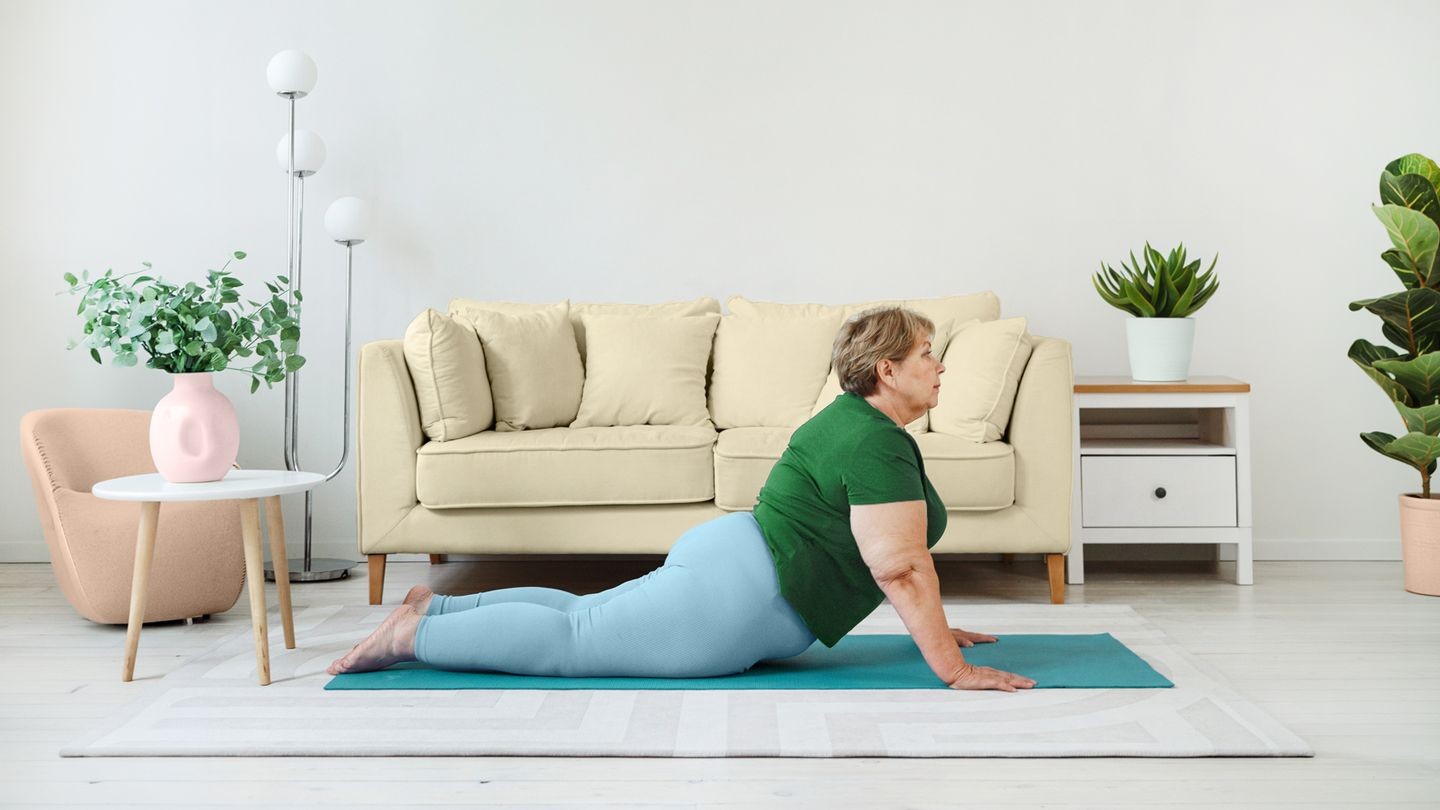
High blood pressure affects nearly half of the adult population in the United States, posing a significant risk for cardiovascular disease. While high-intensity aerobic exercise is the traditional recommendation for managing this condition, new research suggests that a gentler, more accessible alternative may be equally effective: Yoga.
A recent meta-analysis published in PLOS Global Public Health highlights how yoga can serve as a powerful tool for blood pressure regulation, particularly for individuals living with obesity.
The Research: Significant Drops in Blood Pressure
Researchers analyzed data from 30 different studies involving nearly 3,000 adults categorized as overweight or having obesity. The studies spanned several regions, including Asia, the United States, Germany, and Australia.
The findings revealed that consistent yoga practice—typically involving at least 180 minutes per week (roughly three sessions)—led to measurable improvements in key health markers:
- Systolic Blood Pressure: Decreased by an average of 4.35 mmHg.
- Diastolic Blood Pressure: Decreased by an average of 2.06 mmHg.
- Cholesterol Levels: Observed small decreases, which is vital since high cholesterol is a primary risk factor for stroke.
Why Yoga Works: More Than Just Physical Movement
Unlike traditional gym workouts that focus primarily on physical exertion, yoga operates through multiple physiological and psychological pathways. Experts suggest the benefits stem from a combination of three main factors:
1. Controlled Breathing (Pranayama )
A major driver of blood pressure reduction is the emphasis on breath work. Controlled breathing techniques can help lower the heart rate and encourage the dilation of arteries, which helps the body regulate blood pressure more efficiently.
2. Stress Reduction and Mindfulness
Yoga integrates physical movement with relaxation. By fostering a state of calm, yoga helps mitigate the physiological impact of stress, which is a known contributor to hypertension.
3. Behavioral Substitution
Beyond the direct physiological benefits, yoga may act as a “healthy substitute.” Engaging in a yoga practice can reduce sedentary behaviors, such as excessive screen time, and may help curb unhealthy snacking habits, indirectly supporting weight management.
The Accessibility Advantage
One of the most significant hurdles in treating hypertension is consistency. Many people with obesity find conventional, high-impact exercises intimidating or difficult to maintain.
“Yoga is often seen as more accessible and less intimidating,” notes Dr. Alexios Batrakoulis, a study coauthor and assistant professor at European University Cyprus.
Because yoga can be practiced at home, via online tutorials, or in various specialized settings, it offers a level of flexibility that traditional gym-based routines may lack. While it may not provide the same intense physiological stimulus as vigorous aerobic training, its high adherence rate makes it a highly practical intervention for long-term health.
Considerations and Limitations
While the results are promising, it is important to view them with scientific nuance:
* Correlation vs. Causation: The research shows a strong link between yoga and lower blood pressure, but it does not strictly prove that yoga is the sole cause of the change.
* Demographic Gaps: Much of the data originated from studies in Asian countries, meaning more research is needed to confirm if these specific results apply universally across all ethnic groups.
* Inclusivity: Individuals with larger bodies may face challenges such as joint discomfort or feeling unwelcome in traditional yoga studios. Experts recommend seeking out body-inclusive spaces and adapting poses to meet individual mobility needs.
Conclusion
For those struggling to maintain traditional exercise regimens, yoga offers a scientifically backed, low-impact method to improve cardiovascular health and manage blood pressure. By combining breath control with physical movement, it provides a holistic approach to wellness that is both sustainable and accessible.