

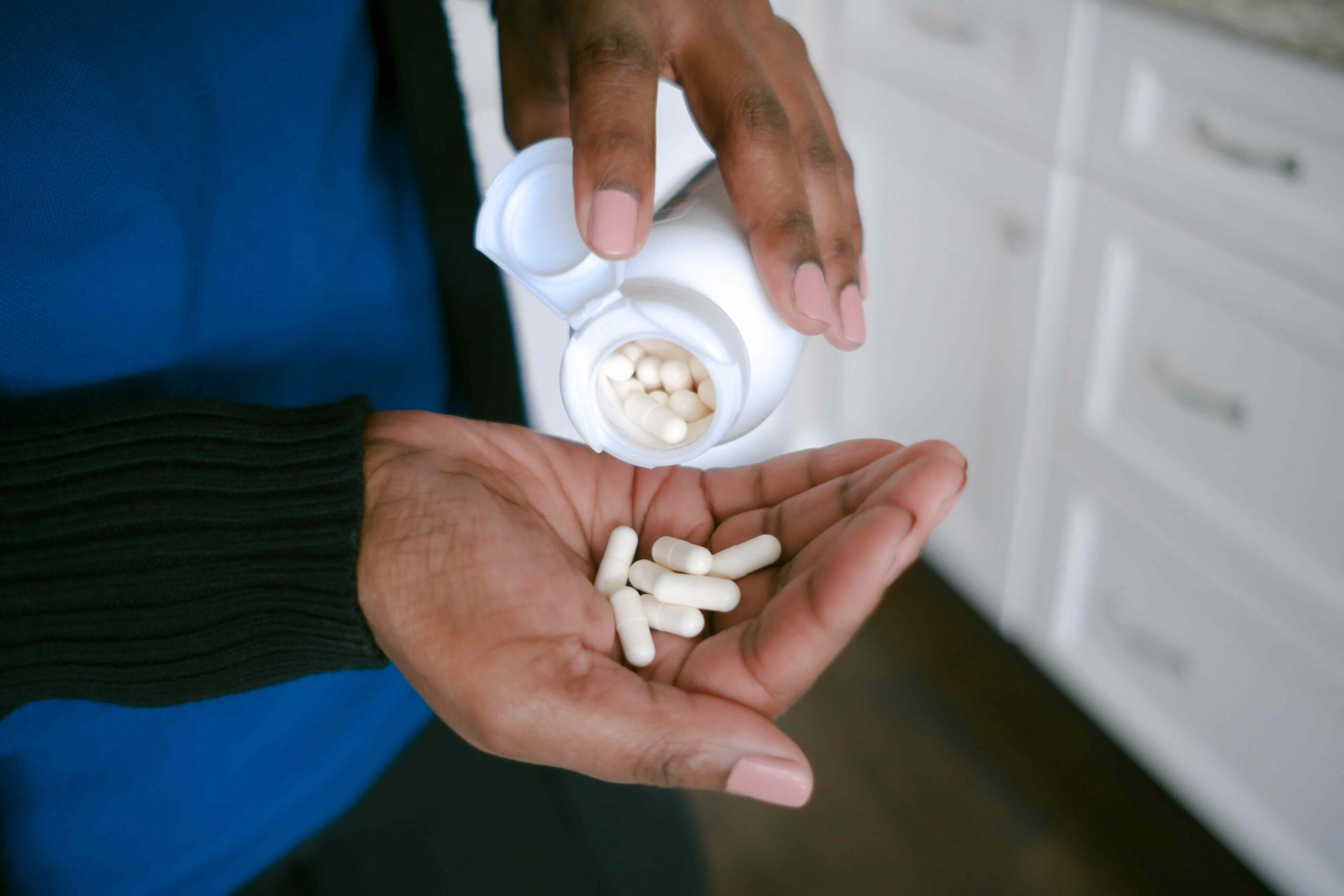
While promising a fountain of youth, most supplements fall short of guaranteeing longevity. However, some stand out for their potential to promote healthy aging backed by research or promising preliminary findings. We spoke to doctors across various specialties to pinpoint the nine most recommended supplements that may support healthy aging.
Beyond Anti-Aging Buzzwords: Understanding Why Supplements Matter
It’s important to remember that supplements are intended to complement a healthy lifestyle, not replace it. They aim to fill potential nutritional gaps and offer extra support for bodily functions often impacted by aging.
“Supplements should be viewed as the cherry on top,” says Dr. John Rinker, an internal medicine physician at OSF HealthCare. “You have to be doing all those other lifestyle changes—eating right, exercising regularly, managing stress, staying connected with others—for them to truly make a difference.”
Furthermore, the FDA doesn’t regulate supplements as strictly as pharmaceuticals or food products. Look for third-party testing labels like NSF and USP on supplement bottles to ensure quality and safety. Always consult your doctor before starting any new supplement regimen, especially if you have underlying health conditions or are taking medications.
The Nine Supplements Backed by Experts
Here’s a breakdown of the top nine supplements recommended by doctors for supporting healthy aging:
1. Omega-3 (Fish Oil)
- Potential Benefits: Studies suggest omega-3 fatty acids, abundant in fish oil capsules, might improve memory and potentially slow biological aging when combined with vitamin D and regular exercise. They are known to reduce chronic inflammation, crucial for heart and brain health.
- Who Should Consider It: Most individuals over 40 can benefit from 1-2 grams daily, though those on blood thinners should avoid high doses and consult their doctor first.
2. Vitamin D3 + K2
- The Dynamic Duo: This pairing is often recommended together because they work synergistically. Vitamin D3 aids calcium absorption for bone and muscle strength, supporting immune function and skin health. Vitamin K2 helps with blood clotting, bone metabolism, and may prevent artery hardening.
- Who Should Consider It: Particularly beneficial for those over 50, but caution is advised if you take Warfarin (Coumadin), have existing calcium disorders, or kidney dysfunction.
3. B Vitamins
- Metabolic Powerhouses: The eight B vitamins play essential roles in metabolism, DNA production, immune function, and protecting neural pathways. Deficiencies can contribute to cardiovascular disease, stroke, cognitive decline, and mental health issues as we age.
- Who Should Consider It: If bloodwork reveals low levels of certain B vitamins, your doctor might recommend a complex supplement once daily.
4. Magnesium
- Beyond Sleep Aid: While known for its sleep-enhancing properties, magnesium is increasingly recognized for its impact on healthy aging. Deficiencies are linked to increased inflammation and cellular changes that may elevate the risk of chronic diseases like heart disease, cancer, and Alzheimer’s.
- Who Should Consider It: Most adults can benefit from magnesium supplementation, especially those with diagnosed deficiencies (identifiable through a blood test). Discuss different types and formulations with your doctor to find the best option for you.
5. CoQ10
- Cellular Energy Booster: As an antioxidant naturally present in our bodies, CoQ10 supports mitochondrial function, which provides energy for cells, particularly in high-energy organs like the brain, heart, and muscles. Levels decline with age, but supplementation may help combat inflammation, support heart health, and protect against oxidative stress.
- Who Should Consider It: While beneficial for many, those on medications that lower blood pressure or blood sugar should discuss CoQ10 supplementation with their doctor due to potential interactions.
6. Fiber
- Gut Guardian: Fiber promotes a healthy gut microbiome, strengthens the gut barrier, and combats chronic inflammation—all linked to longevity and reduced risk of mortality from cardiovascular disease or cancer.
- Who Should Consider It: Most Americans don’t consume enough fiber daily. Supplements containing psyllium (Metamucil) or wheat dextrin (Benefiber) can help boost intake and improve gut health.
7. Calcium
- Bone Strength Champion: Age-related bone weakening increases the risk of osteoporosis and fractures. Calcium supplements are known to improve bone strength and density.
- Who Should Consider It: Many people don’t meet daily calcium needs through diet alone, making supplementation helpful if needed. However, excessive calcium can be harmful, so it’s essential to check levels with your doctor before starting any supplement.
8. Creatine
- Muscle Mass Protector: Though often associated with bodybuilding, creatine can aid older adults in preserving muscle mass and reducing sarcopenia (muscle wasting). It may also benefit inflammation and joint health. Preliminary research suggests it could even enhance memory.
- Who Should Consider It: Most creatine comes as powder mixed into beverages. While beneficial for active individuals, those with kidney issues should use it cautiously.
9. Curcumin (Turmeric)
- Inflammation Fighter: Curcumin, the active compound in turmeric, is a potent anti-inflammatory that may contribute to longevity by reducing inflammation throughout the body. Studies suggest potential benefits against neurodegenerative diseases, cognitive decline, and sarcopenia. It’s also been shown to relieve osteoarthritis pain.
- Who Should Consider It: Oral turmeric supplements are readily available and potentially beneficial for those with inflammatory conditions. However, caution is advised if you have gallstones or gastrointestinal sensitivities.
The Bottom Line
While supplements can be valuable allies in your pursuit of healthy aging, they aren’t magic bullets. Remember that a holistic approach encompassing nutritious food, regular exercise, stress management, strong social connections, and consistent medical checkups remains paramount for overall well-being and longevity