




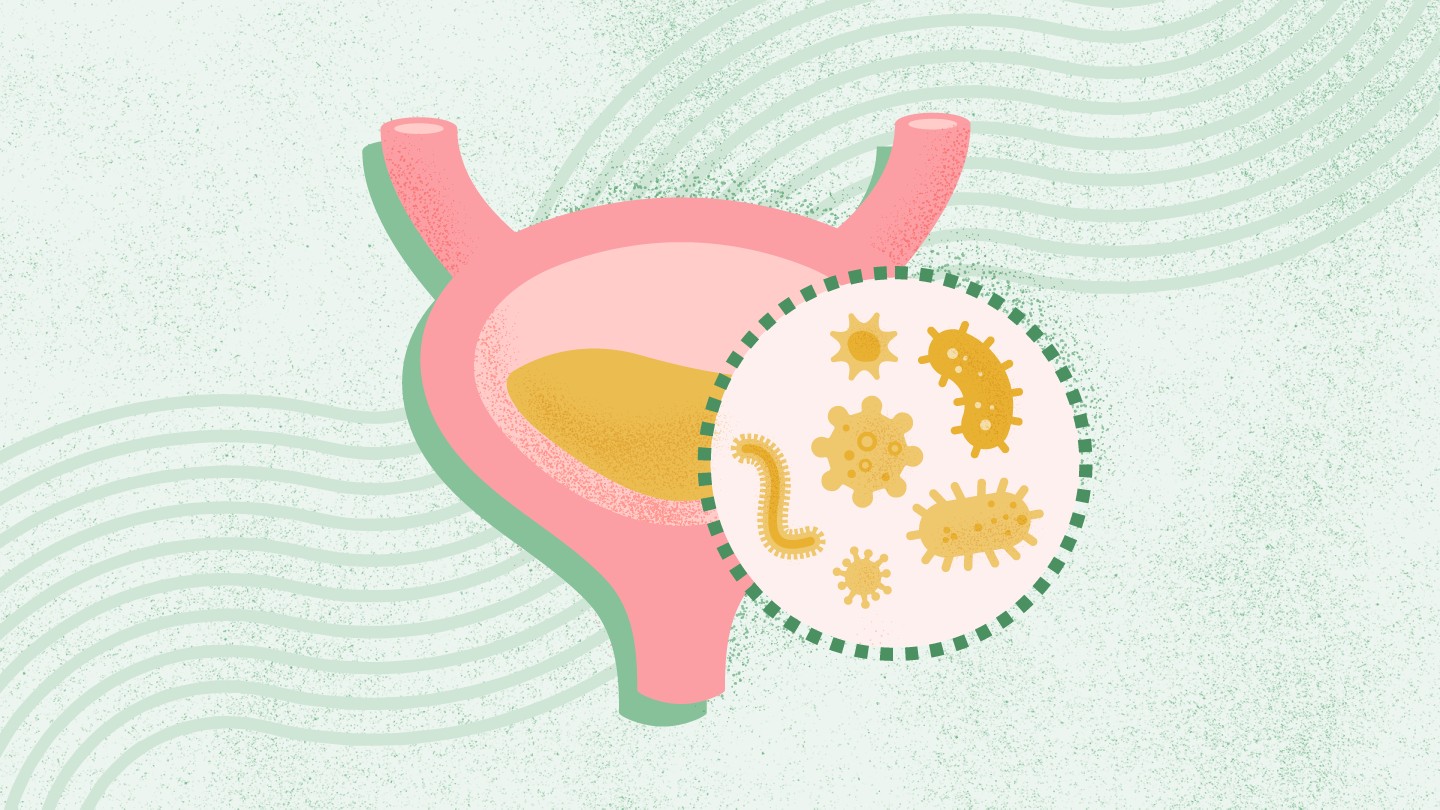
Urinary tract infections (UTIs) are a common health concern, particularly among women, but anyone can develop one. These infections occur when bacteria—most often E. coli from the digestive system—enters the urinary tract, leading to inflammation. While typically treatable with antibiotics, untreated UTIs can escalate, potentially spreading to the kidneys and causing more severe complications.
Understanding UTI Symptoms
The most common signs of a UTI include a persistent urge to urinate, frequent urination, a burning sensation during urination, cloudy or strong-smelling urine, and pelvic discomfort. Some individuals, especially seniors, may not experience obvious symptoms, highlighting the importance of proactive health monitoring. In severe cases, a kidney infection can develop, presenting with fever, chills, back pain, nausea, and vomiting. Children and infants may only exhibit fever as a symptom, requiring careful observation.
Causes and Risk Factors
UTIs develop when bacteria from the bowel migrate into the urethra and then into the bladder. Women are more susceptible due to their shorter urethras. Additional risk factors include hormonal changes during perimenopause and menopause, certain birth control methods (diaphragms, spermicides), low fluid intake, constipation, incomplete bladder emptying, urinary blockages (kidney stones, enlarged prostate), a weakened immune system, and catheter use.
Diagnosis and Testing
Diagnosing a UTI typically involves a review of symptoms, medical history, and a physical exam. Doctors commonly order a urinalysis to detect bacteria or blood in the urine. A urine culture can identify the specific type of bacteria causing the infection, guiding antibiotic selection. In cases of recurring or unresponsive infections, imaging tests (ultrasound, CT scan, MRI) or cystoscopy (visual examination of the bladder with a thin tube) may be necessary.
Treatment Options
The primary treatment for UTIs is antibiotics. Common options include nitrofurantoin, trimethoprim/sulfamethoxazole, fosfomycin, and cephalexin. A new antibiotic, gepotidacin, was recently approved and may be effective against resistant strains. For frequent infections, low-dose prophylactic antibiotics or topical vaginal estrogen (for postmenopausal women) can help prevent recurrence. Pain relievers like phenazopyridine (Azo) can provide temporary symptom relief, but do not address the underlying infection.
Prevention Strategies
Preventing UTIs involves simple lifestyle adjustments. Staying well-hydrated flushes out bacteria. Avoiding bladder irritants such as alcohol, coffee, and citrus juices can reduce discomfort. Wiping from front to back after using the toilet and wearing breathable underwear minimizes bacterial transfer. For women, avoiding tight-fitting clothing can also help.
Long-Term Outlook
Most UTIs resolve within a few days of starting antibiotics. However, chronic or antibiotic-resistant infections may require stronger or longer courses of treatment, potentially including intravenous antibiotics in severe cases. Early diagnosis and appropriate treatment are crucial to prevent kidney damage and long-term complications.
If you suspect a UTI, seek medical attention promptly. Untreated infections can escalate, leading to serious health consequences. Staying informed about symptoms, risk factors, and preventative measures is key to maintaining urinary health.