




Stop looking for exotic superfoods in the back of the aisle. You might already be drinking the solution.
New data suggests the things sitting on your counter are quietly doing heavy lifting. Specifically, polyphenols.
These are compounds found in plants. They aren’t magic bullets, but they do show up in places we rarely credit for their metabolic weight. A massive study in Brazil decided to track this down, following 8,784 adults over a median period of seven years. None had diabetes at the start.
They filled out food diaries. Researchers mapped out exactly what was going into their bodies—phenolic acids, flavonoids, the whole chemical menu.
Polyphenols are everywhere. More than 500 types have been IDed so far. We usually know them for being antioxidants. That’s the brand story. The reality is more interesting: they might help regulate blood sugar, keep insulin sensitivity sharp, and dial down inflammation.
Insulin resistance is the precursor. If your cells stop listening to insulin, you’re on a highway to type 2 diabetes. Slowing that slide is the goal.
Here is what the study found.
The numbers don’t lie
Out of those thousands of participants, 1,450 developed diabetes. That is the reality of modern living.
But the group with the highest polyphenol intake was 19% less likely end up with it.
Break it down by category, and the numbers get tighter. Flavonoids? Stilbenes? Hydroxycinnamic acids? Each class of compounds slashed the risk by somewhere between 13 and 27 percent.
It’s not just about avoiding the diagnosis.
High-intake eaters showed slower rises in insulin resistance. They kept their metabolic engine running smoother.
Was the effect visible in daily blood sugar checks? No. The study saw no significant shift in fasting glucose or HbA1c. That is surprising, perhaps counterintuitive. It means the protection works quietly, underneath the daily metrics.
One caveat, always with these studies.
It’s observational. Association is not causation. Coffee drinkers might also walk more or sleep better. Maybe they just buy better vegetables. We can’t say the polyphenols caused the protection directly, only that the link is strong, repeated, and statistically heavy enough to demand attention.
It’s probably the coffee
If you’re expecting a list of obscure berries from the Andes, you will be disappointed.
Coffee dominated the chart. Nearly 40% of all polyphenols in this group came from morning mugs.
Red wine was second. Yerba mate tea followed.
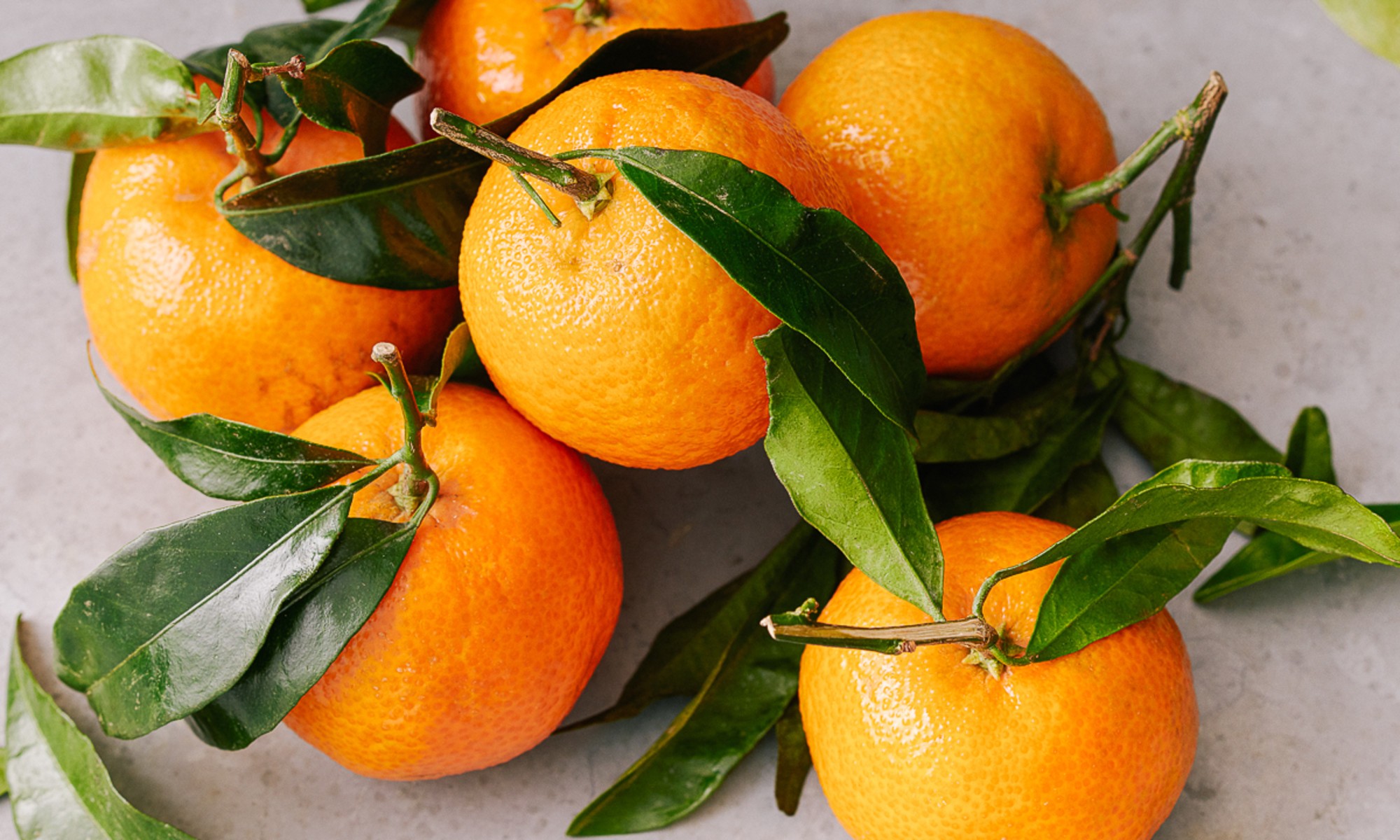
Oranges. Both the fruit and the juice made the top five.
Think about that. Coffee. Wine. Orange juice.
This was a Brazilian cohort. The diet there looks different from the one in Ohio or London. But the hierarchy tells you something vital about accessibility.
You don’t need a specialty health store. You don’t need expensive powders. You just need to consume things that have been around for centuries.
What to add to your rotation:
- Coffee: The obvious winner. If you already drink it, you’re ahead of the game. Don’t overthink the variety; just the fact of drinking it seems to carry weight.
- Citrus: Peel an orange. Drink the juice. Easy wins for a reason.
- Yerba Mate: If you’re bored with coffee, give it a try. It was the third pillar of intake here.
A loose conclusion
The study links polyphenol-rich food to lower diabetes risk and better insulin management. The source matters less than you think.
It turns out, consistency beats exoticism.
You probably know this already, intuitively. That you can eat normal food and still change the trajectory of your health. It is just one more piece of evidence pointing away from quick fixes.
The foods are in your kitchen. The coffee pot is likely cold.
Go brew something.