




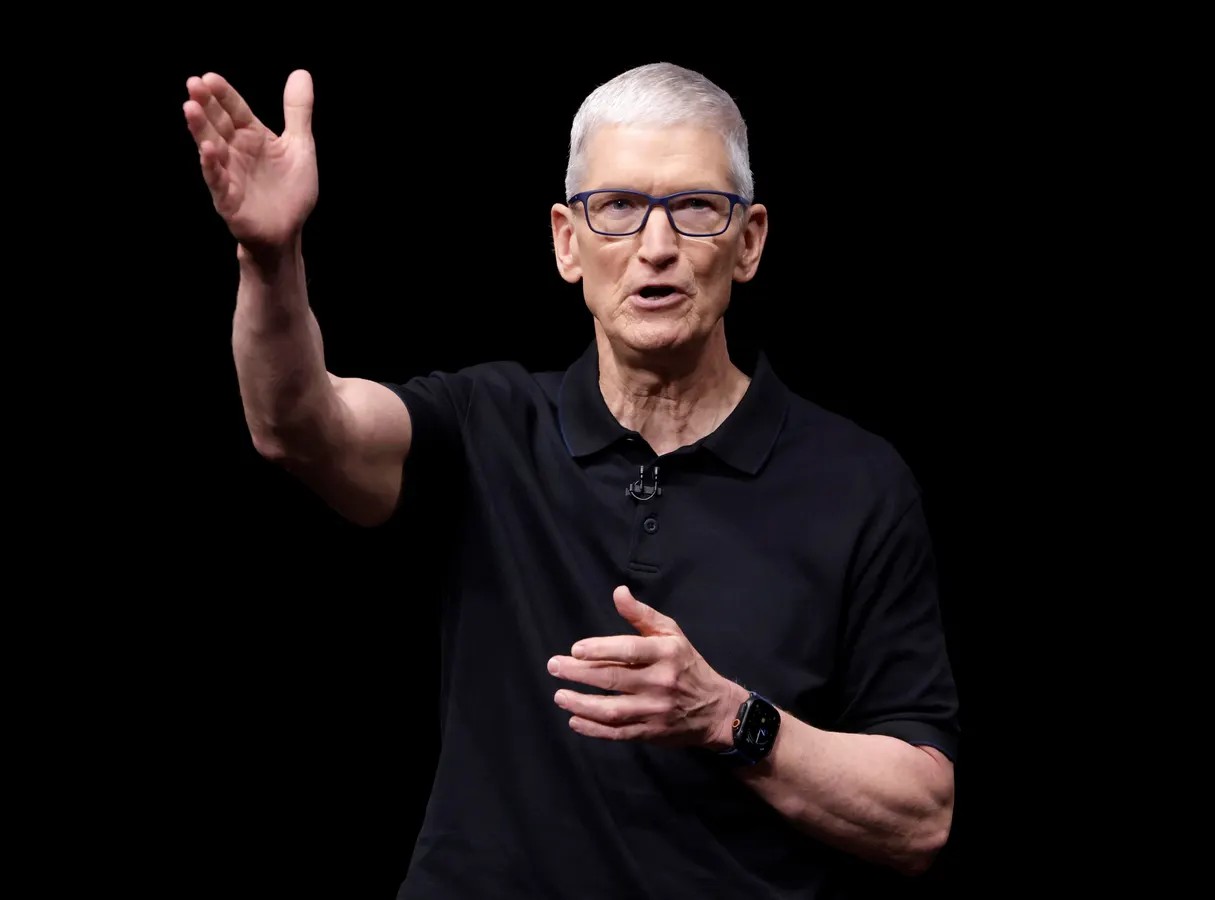
In 2015 Tim Cook stood at George Washington University. He told grads their values should be a North Star. Without direction work is just a job. Life is too short for that.
Medicine used to run on similar logic. Doctors didn’t just hold a job. They answered a calling. Small independent offices. You picked your patients. You set the time. The mission was clear: save lives.
That era is gone.
Now physicians fight between purpose and the bank account. Most choose the money. It’s a rational choice. You need to survive.
38% is the fraction of physicians who remain truly independent. The rest sold out. Or got bought.
They work for hospital systems now. Or private equity firms. Insurers. The trade? Administrative support and security. Some of those left chose concierge medicine. Patients pay thousands annually—sometimes $20k—for better access. Doctors get fewer patients. More money.
CFOs say no margin means no mission. True. You need financial stability. But Cook warned us about the flip side. No mission means just a job. That’s the risk doctors don’t see immediately. The gain feels good. The loss comes later.
Cook’s retirement brings this up again. A case study in values hitting reality.
The Apple Compromise
Cook took Apple from a cool tech company to a trillion-dollar giant. Market cap went from $350B to $4 trillion. Profits quadrupled. AirPods changed the game.
By business standards? A historic win.
But numbers don’t show the internal friction. Cook preached privacy. Called it a fundamental human right. Tech should build trust.
Then look at the actions.
He donated $1M to Trump’s inauguration. Gave the President a gold-plated plaque. Attended a White House screening.
Why? Because it works.
When Trump hiked tariffs in 2025 smartphones and chips were exempted. Apple saved money. Values bent for the bottom line.
The China supply chain is the same story. Cook built the best logistics in history. It gave Apple a huge advantage. But it tied them to censorship. Bad working conditions. Human rights issues.
Doesn’t match the “privacy and dignity” branding. It matches shareholder value.
Cognitive dissonance. The uncomfortable gap between what you say and what you do.
Medicine Is Not A Tech Startup
Milton Friedman said businesses just need to make money within the rules. That rulebook defined modern capitalism.
Medicine isn’t capitalism. Not exactly.
But the incentives look familiar. Doctors lost their power. Hospitals and insurers consolidated. They negotiate better. They spread costs. Independent docs can’t compete.
Medicare doesn’t pay enough. Inflation eats reimbursements.
Prior authorizations are a nightmare. Doctors spend 13 hours a week on paperwork. Thirteen hours.
Plus staffing costs. Malpractice. Technology.
So what do you do?
Join the big system. You make 8-10% more. Private equity owns nearly double the shares now compared to 2022. Concierge practices doubled in five years.
These are rational moves. You protect your family.
But the cost is invisible at first.
Who Pays The Bill?
Join a hospital system and healthcare gets cheaper for you. More expensive for the patient.
Sell to private equity and studies show quality drops. Staffing gets cut. Utilization goes up.
Go concierge? You earn the same income seeing 500 people instead of 2,000 luxuriating in time. But 1,500 of those previous patients have nowhere to go.
You told them to leave.
Most docs report burnout. Almost half.
Some call it moral injury. Not just tired. Constrained from doing right.
But this framing hides agency. It paints doctors as victims. It ignores that many chose the corporate path for security. They accepted the incentives. They accepted the constraints.
It’s not a condemnation. It’s a warning.
Cook’s story shows the toll of optimizing for money. Legacy isn’t just what shareholders say. It’s what you sacrificed to get there.
When you sell your practice you don’t just sell real estate. You sell your values. You agree to their incentives.
Caveat emptor. Buyer beware.