



It sounds risky. Packing a bag. Leaving town. Maybe even flying overseas.
When you live with multiple myeloma the idea of travel feels heavy. Like maybe you shouldn’t do it at all.
But most people with the disease still get on planes. They take trips. Meaningful ones. It just requires some serious prep.
“Most people with myeloma can take trips,” says Dr. Joseph Mikhael, medical adviser for the International Myeloma Foundation, “It just requires the right precautions.”
Shannon Collins, an RN at OU Health Stephenson in Oklahoma City agrees. Once your treatment stabilizes. Once your blood counts are safe. Travel is often okay. The trick? Talking to your doctor before you book the ticket.
Check Your Body First
Don’t buy the ticket yet. Talk to your care team. Tell them where you’re going. How long. What you’ll do there. They decide if you should go. Or stay.
There are red flags.
If you had a stem cell transplant recently? Probably stay put.
If you’re dealing with CAR T-cell therapy? Also, pause.
Collins and Mikhael say hold off on travel if:
- Your blood counts are low
- Your immunoglobulin G (IgG levels are down
- Your myeloma isn’t controlled
- You’re in severe bone pain
Infusions aren’t always a hard stop though.
Doctors often bend.
“If someone gets treatment every four weeks,” Mikhael notes, “we might stretch it to five.” Just enough room for a weekend away. Or a longer holiday.
Going international?
Talk to your team months in advance. Some places need vaccines. Your immune system might not handle a shot like it used to. Your doctor may need extra time to see how you responded before clearing you to go.
What to Pack
Think of your luggage like a survival kit.
Medical Summary: Get your doctor’s latest notes. Print them. Explain your disease state. Current treatments. Bring recent scans on a USB drive if you can. Emergency rooms move fast. They don’t know you. Make it easy for them.
Medication: In your carry-on. Only your carry-on. Checked bags get lost. Or frozen. Keep them in original labeled bottles. Pack extra doses. Just in case a flight is delayed. Just in case you can’t leave.
Water: Your kidneys are fragile now. Drink water. 8 to 10 a day. More if it’s hot. More if you’re at altitude. Dehydration hurts. Fast.
Snacks: Nuts. Protein bars. Nut butter packets. Things that won’t get you sick if the food service looks sketchy. Safe food isn’t always available.
Thermometer: A simple digital one. A fever is bad. It means infection. Check it often.
Sunscreen: SPF 30+. Treatments make skin sensitive. Sun burns hurt worse. And heal slower. Protect it.
Hygiene gear: Hand sanitizer. Wipes. Tuck them in any pocket. Crowded places mean crowded germs.
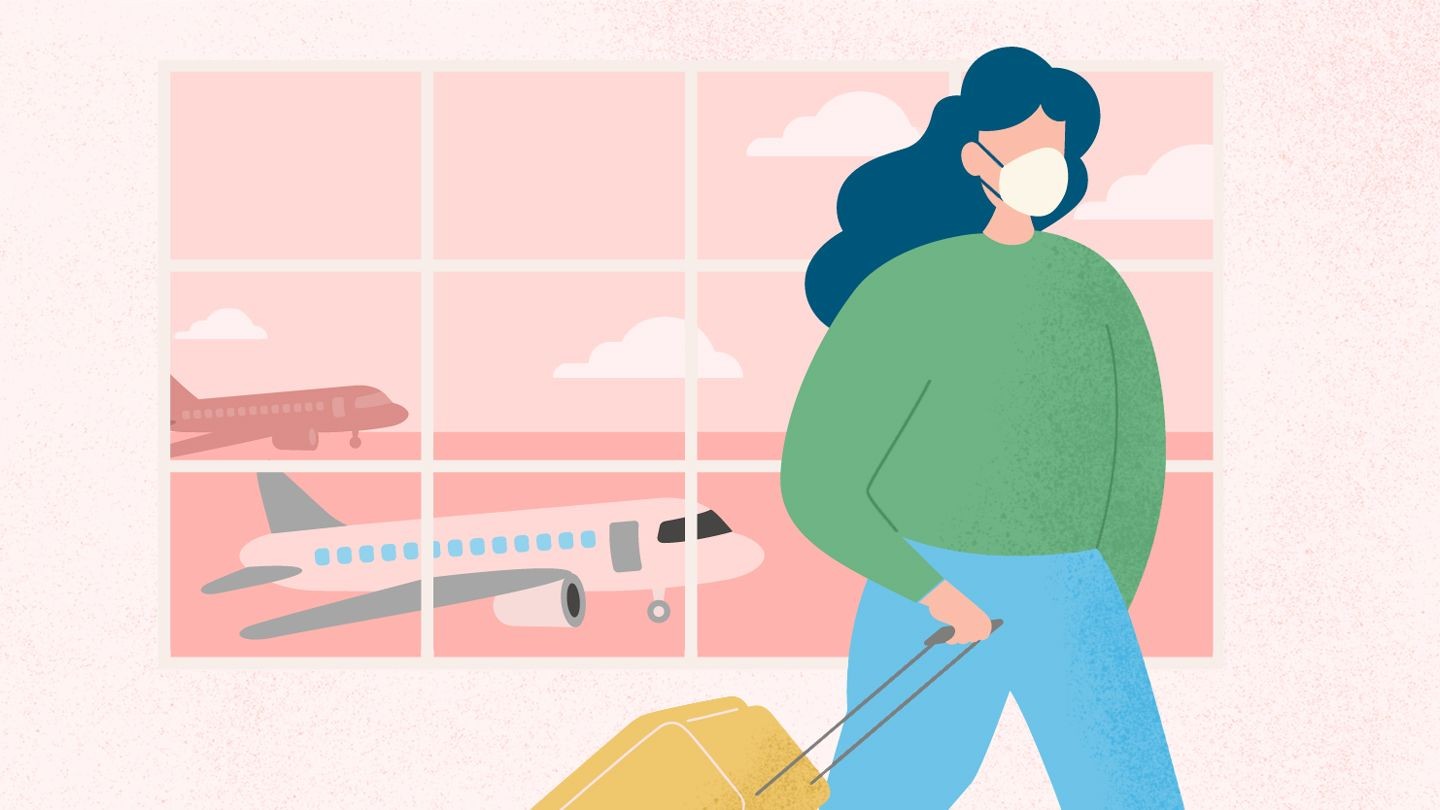
Masks: Pack N95 or KN9 masks. For airports. For planes. Anywhere tight and loud.
When Things Go Wrong
They will happen. Despite planning. Emergencies are real.
“The key is knowing what to do,” Collins says, “before you need it.”
Map the hospitals. Know the urgent cares on your route. At your destination. Not every clinic handles cancer. Check before you land.
Insurance is another minefield.
Going out of state? Medicaid might vanish. Go abroad? Call your provider. Now. Not later. You might need extra insurance coverage for the trip. It’s messy but necessary.
If you get sick while traveling:
Call your care team first. They know your labs. They know your history. An ER doctor doesn’t. Let your team guide the ER doctors. Coordinate it.
But here’s the hard truth.
If it’s life-threatening. If your heart stops. If you can’t breathe. Go to the ER immediately. Do not call anyone first. Save your life. Then let someone else call the doctor.
No Clean Ending
Travel isn’t off the table. But it’s not casual either.
Myeloma raises your risk. Infection is one threat. Blood clots are another.
Move during long flights. Wear compression socks. Keep drinking. Take your blood thinners if prescribed. Wash hands. Avoid the risky sushi. Wear a mask when you have to.
You can do this. Just pack right. Plan carefully.
And accept that sometimes, the plan changes.
Is it worth it?
Maybe.
Or maybe you wait another month.
It depends.
Editorial note: This content relies on expert advice from the International Myeloma Foundation and oncology specialists.