Women entering perimenopause often experience a surge in symptoms – from hot flashes and brain fog to unexplained aches and metabolic shifts. Ayurvedic physicians Avanti Kumar-Singh and Tanmeet Sethi explain this isn’t random; it’s often a sign the body’s “fire element” (known as pitta in Ayurveda) is imbalanced, leading to inflammation and metabolic dysfunction. The key isn’t suppression, but rebalancing.
Why Midlife Inflammation Matters
Pitta governs metabolism, digestion, and mental clarity. During the “householder years” (roughly 25-55), women often push themselves professionally, personally, and domestically, demanding high pitta output. This can lead to chronic inflammation, which isn’t just about symptoms; it impacts metabolic health at a cellular level.
The hormonal shifts of perimenopause exacerbate this. Declining estrogen and progesterone, naturally anti-inflammatory, leave the body more vulnerable. This creates a double-whammy: rising pitta and reduced hormonal protection. The result? A cascade of symptoms, often dismissed as “just aging.”
Metabolic Impacts: Beyond Symptoms
Inflammation doesn’t stay localized. It alters biomarkers like CRP, cortisol, and insulin. Insulin resistance, a precursor to type 2 diabetes, often rises before blood sugar levels show abnormalities. Cortisol, the stress hormone, contributes to midsection weight gain, a common perimenopause complaint.
Sethi emphasizes that metabolic changes occur long before traditional tests flag a problem. Identifying these shifts early is crucial, as unchecked inflammation accelerates metabolic decline. Perimenopause isn’t just hormonal; it’s a systemic metabolic transformation.
Rebalancing Your Fire: A Practical Guide
The Ayurvedic approach isn’t about quick fixes; it’s about restoring balance. Here’s how:
1. Awareness: The first step is recognizing what fuels or calms your internal fire. Are your choices (work stress, sleep deprivation, dietary habits) exacerbating inflammation? Are you pushing yourself beyond sustainable limits?
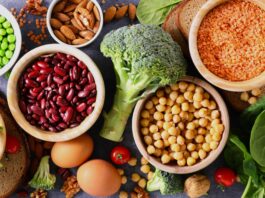
2. Gut Health: The gut microbiome plays a central role in inflammation. Prioritize fiber-rich foods (aim for 25-38 grams daily) and incorporate fermented foods. A healthy gut supports blood sugar control and reduces anxiety.
3. Sleep Hygiene: Poor sleep dramatically elevates cortisol and insulin resistance. Prioritize 7-9 hours of quality sleep. Address underlying imbalances (hormonal, stress-related) rather than just masking symptoms with sleep aids.
4. Nutrition & Strength Training: Muscle mass declines with age, accelerating metabolic slowdown. Strength training, combined with adequate protein intake, preserves lean mass. Support these efforts with consistent, restorative sleep.
5. Hormone Replacement Therapy (HRT): For some women, HRT can be a valuable tool, but it’s not a standalone solution. Lifestyle medicine (diet, exercise, stress management) must underpin any hormonal intervention.
Beyond the Basics: Personalized Insights
Kumar-Singh and Sethi offer the Dosha-DATA™ Assessment, a tool to identify individual imbalances. This allows for tailored dietary and lifestyle recommendations. Ayurvedic nutrition isn’t about rigid rules; it’s about aligning food choices with your unique body type.
The Takeaway
Perimenopause isn’t a decline; it’s a metabolic transition. By understanding the underlying inflammation, addressing gut health, prioritizing sleep, and building metabolic resilience, women can navigate this phase with vitality. Rebalancing your internal fire isn’t just about symptom relief; it’s about reclaiming control of your health.
The key is proactive balance, not reactive treatment. By addressing imbalances early, women can make perimenopause a period of empowerment, not exhaustion