


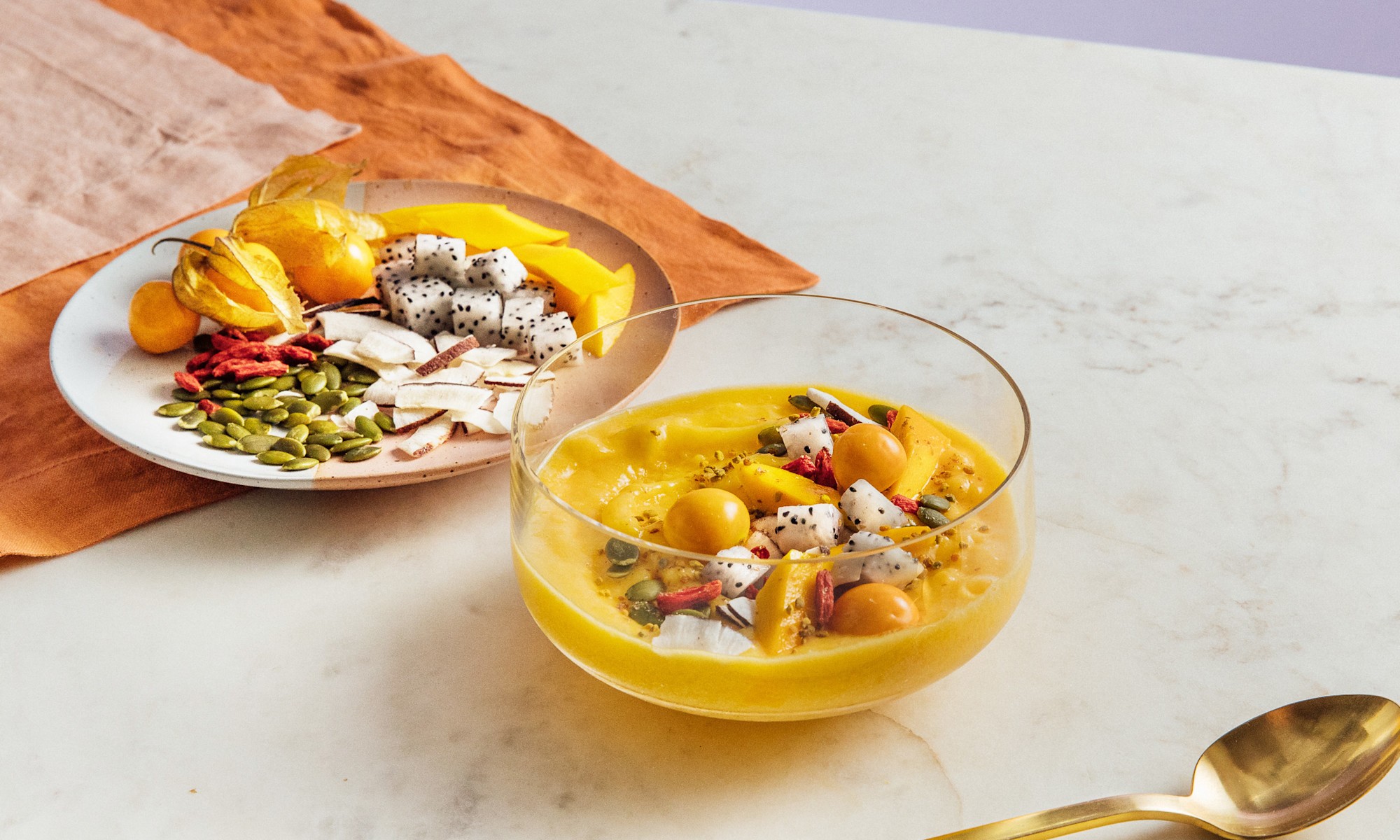
These pre-made smoothie cubes, dubbed “smoothie bombs,” offer a quick and convenient way to increase nutrient intake and reduce food waste. Developed by plant-based chef Carleigh Bodrug, the concept involves freezing blended produce into portioned cubes for easy addition to smoothies. This approach is particularly useful for utilizing leftover fruits and vegetables that might otherwise spoil.
How Smoothie Bombs Work
The process is straightforward: blend desired ingredients, pour into an ice cube tray, and freeze. The resulting cubes can then be stored for up to three months, ready to be added to a blender with liquid (milk, water, etc.) and other smoothie components like fresh fruit or greens.
The bombs can be blended directly into a smoothie or allowed to melt in plant-based milk for an instant, on-the-go beverage.
Recipe: Fruity, Spicy Anti-Inflammatory Bombs
This specific recipe focuses on anti-inflammatory ingredients:
- 1 ½ cups cubed pineapple
- 1 ½ cups cubed mango
- 1 teaspoon ground turmeric
- 1 tablespoon grated fresh ginger
- ⅛ teaspoon freshly ground black pepper
- 2-3 cups water or milk of choice
Instructions: Combine all ingredients, pour into an ice cube tray, and freeze overnight. Use 3-4 cubes with a frozen banana and 1 cup of milk for a “Flare Fighter Smoothie.”
Why This Matters
The appeal of smoothie bombs lies in their efficiency. Many people struggle to consistently consume enough fruits and vegetables, and these cubes provide a pre-portioned solution. They also address the common issue of produce spoilage, turning leftover ingredients into a usable resource.
The addition of spices like turmeric and ginger further enhances the nutritional profile, leveraging well-known anti-inflammatory properties. However, it is worth noting that for a complete meal, adding protein to the smoothie is recommended for sustained energy and balanced blood sugar levels.
These smoothie bombs represent a practical approach to optimizing nutrition while minimizing waste, aligning with growing consumer interest in plant-based diets and sustainable food practices.