



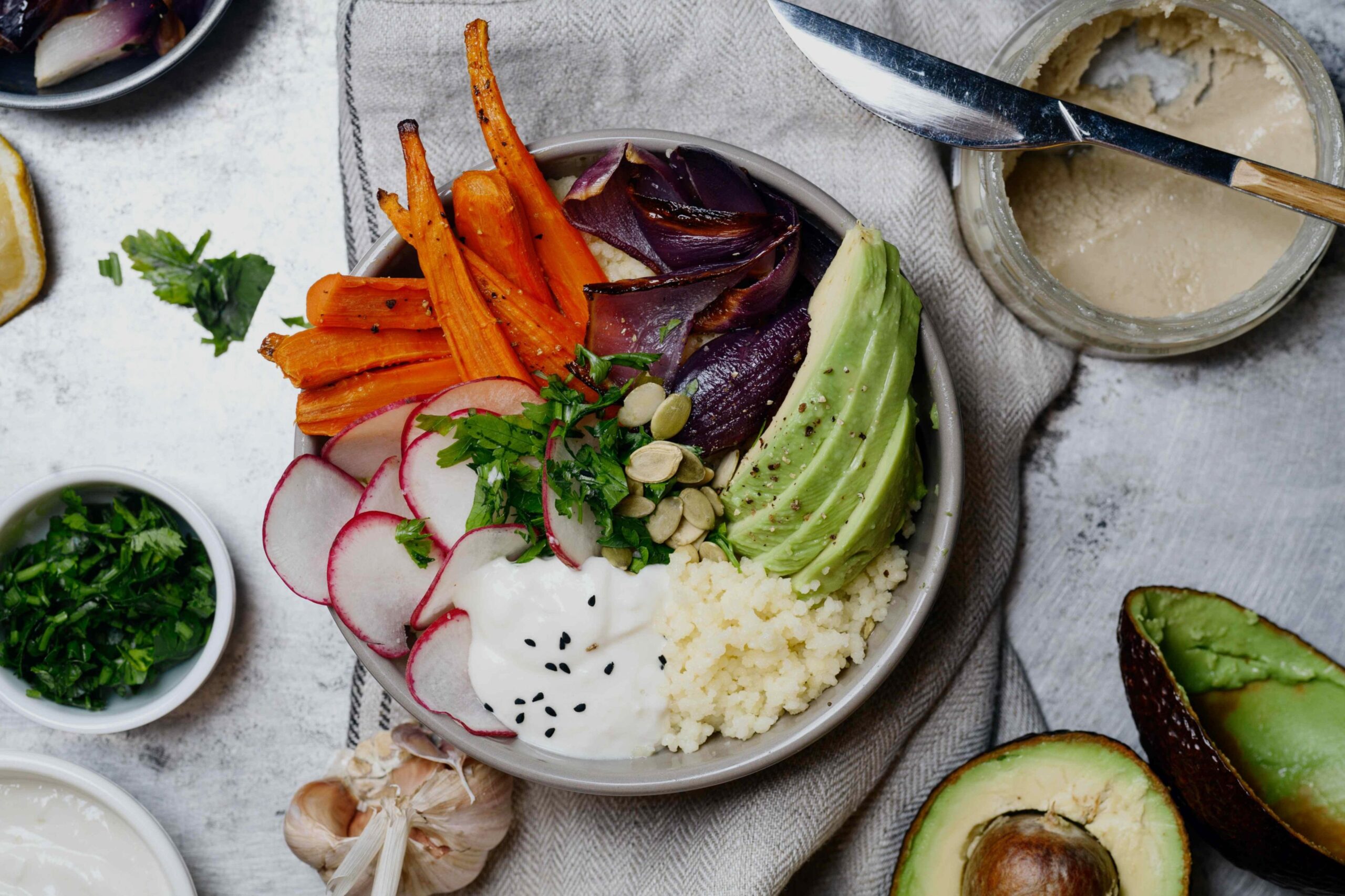
Switching to a meat-free diet triggers a series of changes, some immediate, others unfolding over time as your body adapts. These shifts range from cardiovascular benefits to potential nutrient deficiencies, making careful planning essential.
Heart Health Improvements
Reducing meat intake lowers saturated fat and cholesterol consumption – nutrients linked to heart disease when eaten in excess. Plant-based diets are consistently associated with lower blood pressure and improved cholesterol levels, contributing to better heart health. However, it’s important to note that not all meatless options are equally healthy; processed vegan foods or sugary snacks won’t deliver the same benefits. The key is prioritizing vegetables, whole grains, and healthy fats.
Weight Management
Adopting a vegetarian or vegan lifestyle often leads to weight loss. This is primarily due to the lower calorie density of plant-based foods and the increased fiber content, which promotes satiety. Studies show a reduced risk of obesity and type 2 diabetes among those who follow plant-based diets. This isn’t just about cutting meat; it’s about replacing it with nutrient-rich alternatives that support metabolic health.
Digestive Benefits
Plant-based diets are naturally high in dietary fiber, which can improve digestion and promote regular bowel movements. Emerging research suggests they may also positively impact the gut microbiome. While more studies are needed, the link between fiber intake and gut health is well established.
Risk of Nutrient Deficiencies
Eliminating meat without careful planning can result in deficiencies in essential nutrients, including:
- Vitamin B12
- Vitamin D
- Iron
- Zinc
- Calcium
These are vital for bodily functions, and insufficient intake can lead to anemia, weakened bones, and other health issues. To avoid these deficiencies, prioritize nutrient-dense foods (beans, legumes, fortified products) and consider supplements under medical guidance.
Cutting meat isn’t inherently healthy. It’s about how you replace it. A well-planned plant-based diet can offer substantial benefits, but ignoring nutritional needs can lead to serious health consequences.
Transitioning effectively requires a strategic approach. Focus on balanced meals, diverse plant sources, and, if necessary, professional guidance to ensure nutritional adequacy.