
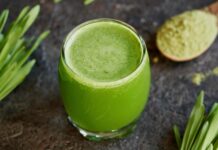

Consuming a daily wheatgrass shot may offer several health advantages, from improved digestion to better blood sugar control. However, despite growing interest, research on wheatgrass remains limited. This article breaks down the potential benefits, side effects, and how to incorporate wheatgrass into your routine safely.
What is Wheatgrass?
Wheatgrass isn’t a typical grass; it’s the young sprout of the common wheat plant, harvested before the grain forms. It’s packed with nutrients:
- Vitamins A, C, and E: Essential for immune function and overall health.
- Iron: Supports healthy blood oxygen levels.
- Magnesium: Important for muscle function and nerve transmission.
- Calcium: Crucial for bone health.
- Chlorophyll: The pigment responsible for the plant’s green color, may aid in detoxification and blood health.
Despite these nutrients, wheatgrass shots contain small amounts, so they should supplement, not replace, a balanced diet.
Six Potential Health Benefits
-
Immune System Boost: Wheatgrass contains antioxidants that combat inflammation and may reduce the risk of chronic diseases like diabetes and arthritis. Its vitamins and minerals also support immune function and fight bacterial infections.
-
Improved Digestion: Wheatgrass’s fiber and enzymes can aid gut health and digestion, reducing bloating, gas, and constipation. It may also improve nutrient absorption.
-
Enhanced Skin Health: Vitamins A, C, and E in wheatgrass support collagen production, improving skin elasticity and protecting against sun damage. Chlorophyll may also reduce inflammation and promote wound healing.
-
Reduced Inflammation: Wheatgrass’s nutrients may help manage inflammation throughout the body, including in joints.
-
Heart Health Support: Wheatgrass may improve cholesterol levels (lowering LDL, raising HDL) and blood flow by dilating blood vessels. It also provides heart-healthy minerals like calcium and potassium.
-
Blood Sugar Control: Wheatgrass may improve insulin sensitivity and glucose processing, but it’s not a replacement for prescribed diabetes care. Consult with a doctor or registered dietitian for personalized advice.
Potential Side Effects and Precautions
Wheatgrass is generally safe for most people, but high doses can cause mild side effects like nausea, appetite changes, or constipation. Individuals allergic to wheat or pregnant women should avoid it. More long-term research is needed.
How to Consume Wheatgrass Shots
Optimal dosage isn’t fully established. Most recommendations suggest 1–2 ounces daily. Start with a smaller serving (1 ounce) to assess tolerance before increasing. It can be consumed on an empty stomach or mixed with juice for flavor.
“Wheatgrass shots can be a useful addition to a healthy lifestyle, but they are not a cure-all. The key is moderation and understanding your body’s response.”
Ultimately, while wheatgrass shows promise, further research is needed to confirm its long-term benefits. Always consult with a healthcare professional before incorporating it into your routine.