




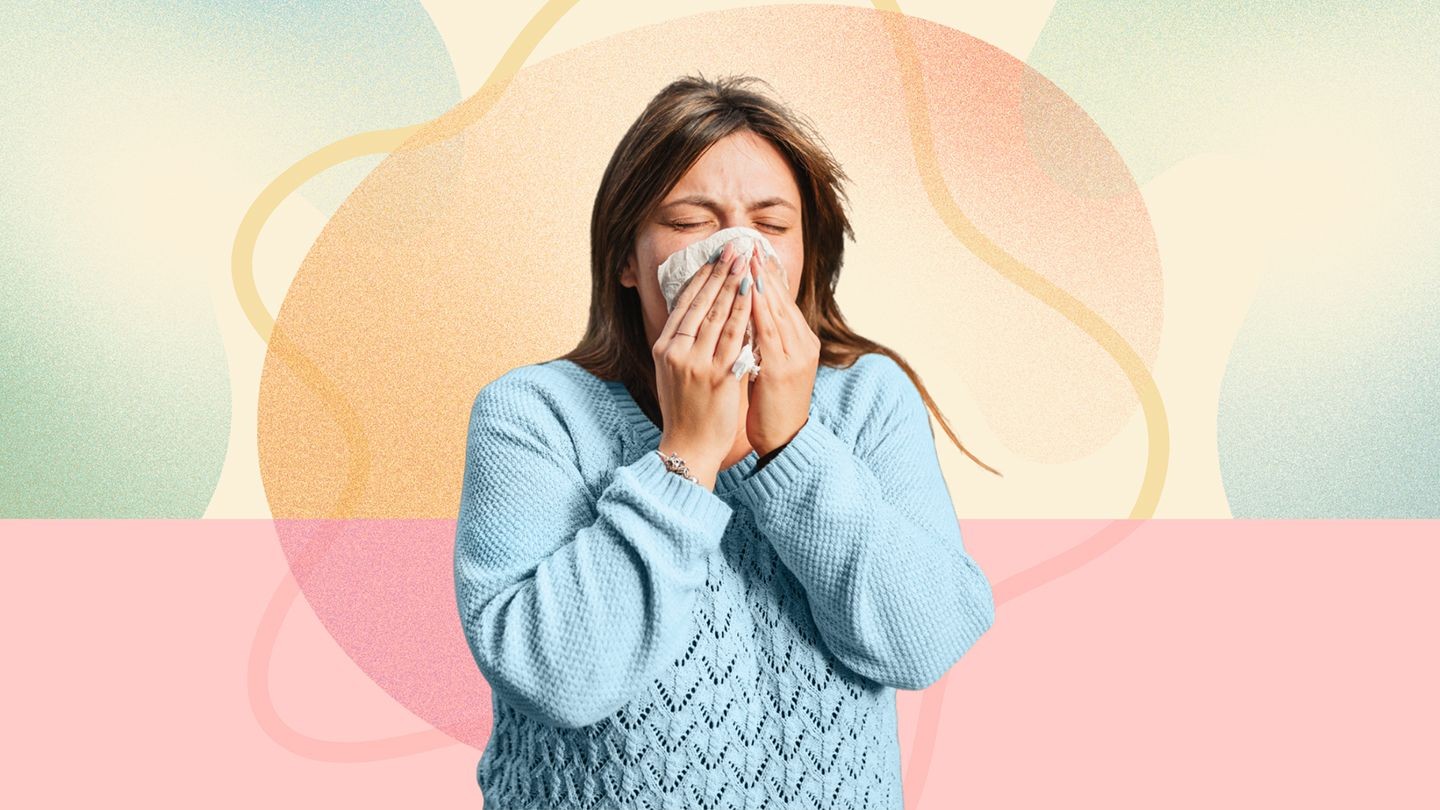
For many, the arrival of spring and summer brings blooming flowers and warmer weather. However, for those living with Rheumatoid Arthritis (RA), these seasons can introduce an additional layer of physical discomfort: seasonal allergies.
While RA and allergies are distinct conditions, they are closely linked through the immune system. Understanding how to manage both simultaneously is essential for maintaining overall well-being.
The Immune Connection: RA vs. Allergies
To manage these conditions effectively, it is important to understand how they differ in their biological impact:
- Rheumatoid Arthritis is an autoimmune disease. In this state, the immune system mistakenly identifies the body’s own healthy tissues and organs as foreign invaders, launching an attack that leads to inflammation and joint damage.
- Seasonal Allergies (allergic rhinitis) occur when the immune system overreacts to harmless environmental antigens, such as pollen from grass, trees, or ragweed, and mold spores.
Why this matters: While allergies are generally not life-threatening, they cause significant distress through sneezing, congestion, and irritation of the eyes and throat. For a person with RA, the added systemic stress of managing allergy symptoms can impact their overall quality of life. Notably, research has suggested a correlation between allergic rhinitis and an increased risk of developing RA, highlighting the complex relationship between these two immune responses.
Practical Strategies to Minimize Allergen Exposure
Because managing allergies often involves reducing the amount of pollen and mold in your immediate environment, experts recommend several lifestyle adjustments. These strategies are effective for anyone, but are particularly useful for those managing chronic inflammation.
Home and Environment Control
- Seal your space: Keep windows closed to prevent pollen from drifting indoors. Use air conditioning instead of open windows.
- Control humidity: Maintain indoor humidity levels between 30% and 45% to discourage mold growth.
- Laundry habits: Use a clothes dryer rather than a clothesline; hanging laundry outdoors allows bedding and clothing to become coated in pollen.
- Evening hygiene: Wash your hair before going to bed to ensure you aren’t transferring outdoor pollen onto your pillow.
Outdoor and Travel Adjustments
- Time your activities: Pollen counts are typically lowest before dawn and peak during midday. Try to schedule outdoor tasks for times when counts are lower.
- Be mindful of wind: Avoid outdoor activities on windy days when allergens are most airborne.
- Protective gear: If you must perform yard work, wear a mask or bandana over your nose and mouth.
- Travel: If possible, plan vacations to “pollen-free” environments, such as coastal areas or ocean cruises.
A Note on Mask Hygiene
If you use masks (such as N95, KN95, or KN94) to filter allergens, hygiene is critical. Because allergens can settle on the surface of the material, Dr. Juan J. Maya-Villamizar notes that users should:
1. Ensure the mask is clean, dry, and undamaged.
2. Replace disposable masks (N95/KN95) every two to three days, as they cannot be washed.
3. Consider more frequent changes if allergy symptoms are particularly high.
Critical Medical Precautions
When managing dual conditions, you must exercise caution regarding medication and treatment. Do not attempt to self-medicate or alter your RA regimen without professional guidance.
⚠️ Important Safety Reminders:
* Consult your doctors: Always speak with your physician or pharmacist before taking over-the-counter (OTC) allergy medications. Some allergy drugs may cause dangerous interactions with your prescribed RA treatments.
* Avoid abrupt changes: Never stop or swap your prescribed RA medications in favor of allergy treatments, as this can lead to serious health complications.
* Discuss Immunotherapy: Allergy immunotherapy (such as shots or tablets) is often relatively contraindicated for those with RA. Always coordinate with both your allergist and your rheumatologist to determine the safest course of action.
Conclusion: While seasonal allergies can add a significant burden to those living with Rheumatoid Arthritis, proactive environmental controls and close coordination with medical professionals can help minimize discomfort and prevent dangerous drug interactions.