


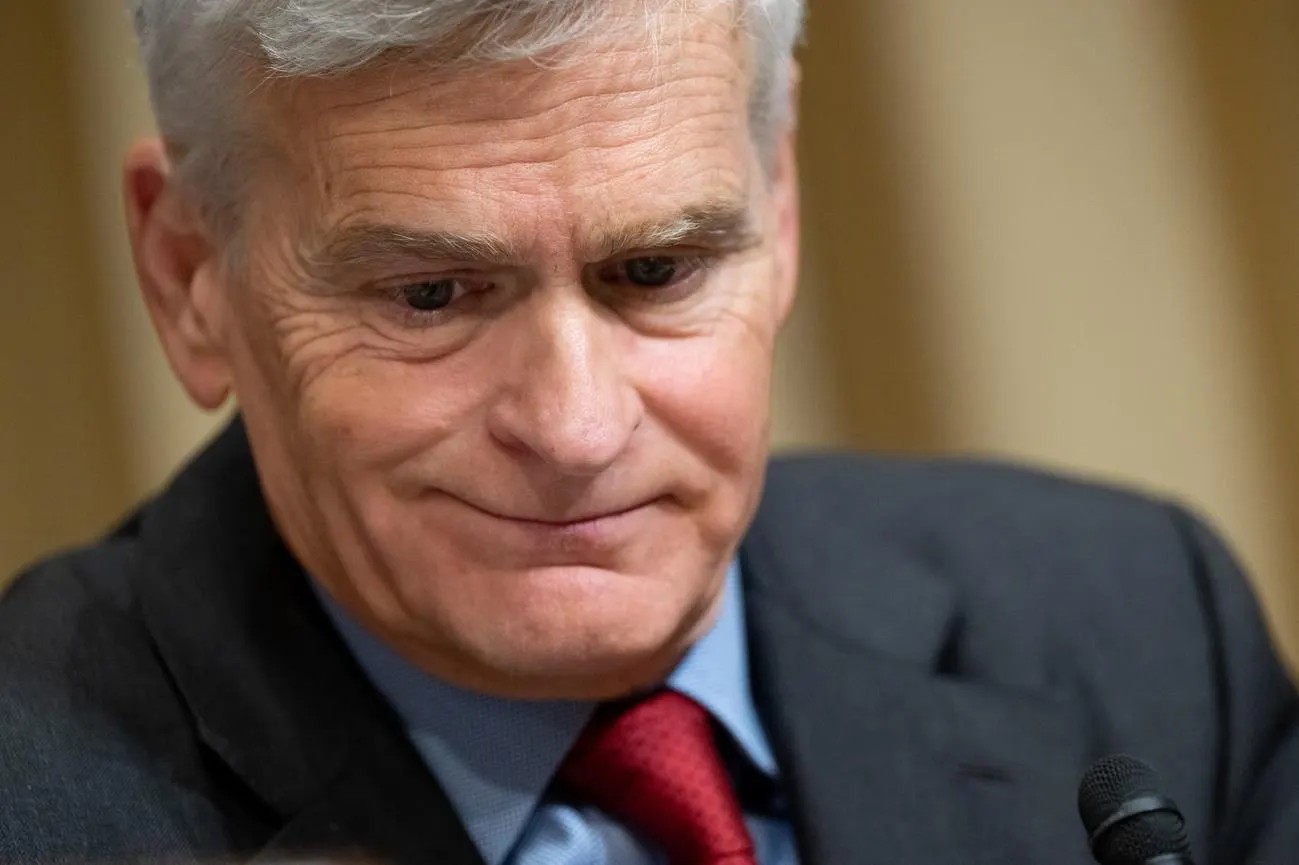
Last week it happened. Senator Bill Cassidy lost his primary. The end of his third-term bid. A shock to some, maybe not to others, but the aftermath tells a bigger story about power. And risk.
Early 2025 found Cassidy, a physician-senator, in a tight spot. He had to decide whether to block Robert F. Kennedy Jr. from heading HHS. Cassidy held the tie-breaking vote. He knew what Kennedy did. The anti-vax history. The twisted medical data. A doctor understands this better than any politician in D.C. But politics got in the way of medicine.
He voted yes.
It was a survival move. He thought aligning with Trump and the Make America Healthy Again crowd would save his seat. He wanted to appease the base. He wanted safety. It failed. Cassidy is now a lame duck for his final months while Kennedy runs the country’s top health agency. The irony is sharp.
The Missed Moment
Most historic decisions are boring on paper. Just signatures in committee rooms under fluorescent lights. No fanfare. Just choices.
Cassidy missed his moment.
He wasn’t just any senator. He spent thirty years treating uninsured patients in a public hospital. He saw the cracks in the system. He understood vaccines, infection control, and the fragile trust people place in white coats. When he announced support for Kennedy he quoted the science. Said it was credible. Said vaccines don’t cause autism. Quoted multiple studies. He spoke the truth then betrayed the posture.
I once worked with him on a COVID vaccination messaging group. He leaned in as a doctor first. A politician second. There was weight in his voice. Clarity. If he had voted no—and explained why, plainly, from medical duty—American politics would have seen something rare. A leader risking career capital to protect science. That could have shifted the culture. He chose silence over stand.
Legitimizing Doubt
He could have said his oath as a physician outweighed his oath to a party line. Some issues refuse to be politicized without damage. Instead, he handed dangerous ideology a Senate seal of approval. Institutional legitimacy is hard to fake. Hard to earn. He gave it away.
Trust was already bruised after the pandemic. Elevating skepticism helped normalize distrust exactly when credible leadership was needed. It signaled that science is negotiable.
Pathogens Are National Security
The US is staring down a lineup of biological threats again. Measles is back. Bird flu lingers. Hantavirus and plague are not myths from history books. Ebola remains a threat abroad but interconnected worlds bring it closer. People worry about borders. And missiles. Fairly. But microbes destabilize nations just as fast as war.
Public health equals economic stability. Civic trust. Military readiness. Weak health systems mean weaker economies. Schools close. Workers sicken. Yet candidates ignore this in favor of culture war distractions.
That’s changing though. Voters are waking up. In LA’s mayoral race, homeless addiction, mental health, and safety are dominating headlines. These are health crises wrapped in policy failures. Communities demand functionality. Not just rhetoric.
Leading With Evidence
Health is no longer background noise. It defines whether neighborhoods feel safe or chaotic. Candidates who grasp this have an edge. They talk about real preparedness. About mental health infrastructure. Those stuck on yesterday’s scripts risk looking detached from daily survival.
Why do moderators ignore this? They should ask direct questions about rebuilding institutional trust. Plan for the next outbreak. How many staff in public health bureaus. Which metrics matter for population wellness. Where does science sit in policy drafts?
Cassidy’s defeat is a warning. The public wants defense of expertise even if it burns political bridges. Leadership requires risk. Especially now. The alternative is silence while the world gets sicker.