


Managing Crohn’s disease effectively requires careful attention to nutrition, including the types of fats consumed. The World Health Organization (WHO) recommends that fats make up 15–30% of daily calories, with saturated fats limited to no more than 10%. For a 2,000-calorie diet, this translates to roughly 33–67 grams of total fat, including no more than 22 grams of saturated fat.
This matters because Crohn’s disease is an inflammatory condition, and diet significantly influences inflammation levels. Poorly managed inflammation can worsen symptoms and reduce quality of life.
Understanding “Good” vs. “Bad” Fats
Not all fats are created equal. Unsaturated fats (the “good” fats) are linked to better cholesterol levels and overall health. Saturated and trans fats (“bad” fats) can increase heart disease risk and may worsen inflammation in Crohn’s patients.
Monounsaturated fats, found in olive oil, avocados, and nuts, are beneficial. Polyunsaturated fats, including omega-3s from fatty fish like salmon and flaxseeds, may have anti-inflammatory effects, although research on their long-term impact in IBD is mixed. One review of 13 trials found little evidence that increasing omega-3 intake significantly alters inflammation in Crohn’s disease. However, some studies suggest omega-3 supplementation after surgery may reduce inflammation, shorten hospital stays, and lower complications.
Avoiding Harmful Fats
Saturated fats, common in meat, eggs, and full-fat dairy, should be limited. Trans fats, once prevalent in processed foods but now largely banned in the US, are linked to heart disease and diabetes. Even small amounts can be harmful.
Practical Ways to Incorporate Healthy Fats
Here are some actionable ways to improve fat intake with Crohn’s:
- Nut and Seed Butters: Easy to digest and versatile, they offer healthy fats without irritating the gut.
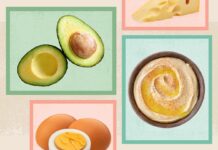
- Avocados: Rich in monounsaturated fats, potassium, and fiber (though FODMAP content should be considered for IBS sufferers).
- Pesto or Hummus: Replace saturated fats in burgers or sandwiches with these healthier options.
- Dark Chocolate: In moderation, dark chocolate provides antioxidants and flavonoids that may benefit gut and heart health.
- Greek Yogurt: Swap mayonnaise for this probiotic-rich alternative, being mindful of lactose intolerance.
- Fatty Fish: Sardines and anchovies are rich in omega-3s, potentially reducing inflammation.
- Olive Oil: Use extra-virgin olive oil generously instead of coconut or palm oil.
Expert Perspectives
Registered Dietitian Lisa Simon emphasizes that plant-based diets and healthy fats like those in avocados and olive oil are beneficial. Colleen D. Webb, RDN, notes that animal fats can worsen Crohn’s symptoms due to digestive difficulties.
Conclusion
A balanced diet rich in healthy fats is essential for managing Crohn’s disease. Prioritizing unsaturated fats, limiting saturated and trans fats, and making smart food choices can help reduce inflammation, improve overall health, and support a better quality of life.
Editorial Sources:
Everyday Health follows strict sourcing guidelines to ensure the accuracy of its content, outlined in our editorial policy. We use only trustworthy sources, including peer-reviewed studies, board-certified medical experts, patients with lived experience, and information from top institutions.
Resources:
Healthy Diet. World Health Organization. January 26, 2026.
Dietary Fat: Know Which to Choose. Mayo Clinic. February 15, 2023.
Fast Facts on Fats and Heart Health. Mayo Clinic Health System. September 16, 2025.
Food. Crohn’s & Colitis UK. April 2025.
Rath L. Omega-3 Fatty Acids for Your Health. Arthritis Foundation. December 8, 2022.
Ajabnoor SM et al. Long-Term Effects of Increasing Omega-3, Omega-6 and Total Polyunsaturated Fats on Inflammatory Bowel Disease and Markers of Inflammation: A Systematic Review and Meta-Analysis of Randomized Controlled Trials. European Journal of Nutrition. August 2021.
Shen Y et al. An Observational Study of the Effects of ω-3 Polyunsaturated Fatty Acid-Supplemented Parenteral Nutrition on Postoperative Complications in Patients With Crohn’s Disease. Annals of Palliative Medicine. March 31, 2023.
Ge X et al. Parenteral n–3 Polyunsaturated Fatty Acids Supplementation Improves Postoperative Recovery for Patients With Crohn’s Disease After Bowel Resection: A Randomized, Unblinded Controlled Clinical Trial. The American Journal of Clinical Nutrition. April 2024.
Fats in Foods. American Heart Association. January 9, 2026.
Trans Fat Has Been Banned, but That Doesn’t Mean You’re Free From It. Cleveland Clinic. June 6, 2023.
Wagner A. Too Many Saturated Fats May Be More Harmful Than Too Many Refined Carbohydrates. Penn State University. February 10, 2026.
Paturel A. What You Eat Can Add Years to Your Life. Cedars Sinai. April 23, 2024.
Oliveira Magro D et al. Interaction Between Diet and Genetics in Patients With Inflammatory Bowel Disease. World Journal of Gastroenterology. March 28, 2024.
Antoniussen CS et al. Reducing Disease Activity of Inflammatory Bowel Disease by Consumption of Plant-Based Foods and Nutrients. Frontiers in Nutrition. December 8, 2021.
Fansiwala K et al. Use of Oral Diet and Nutrition Support in Management of Stricturing and Fistulizing Crohn’s Disease. Nutrition in Clinical Practice. September 4, 2