



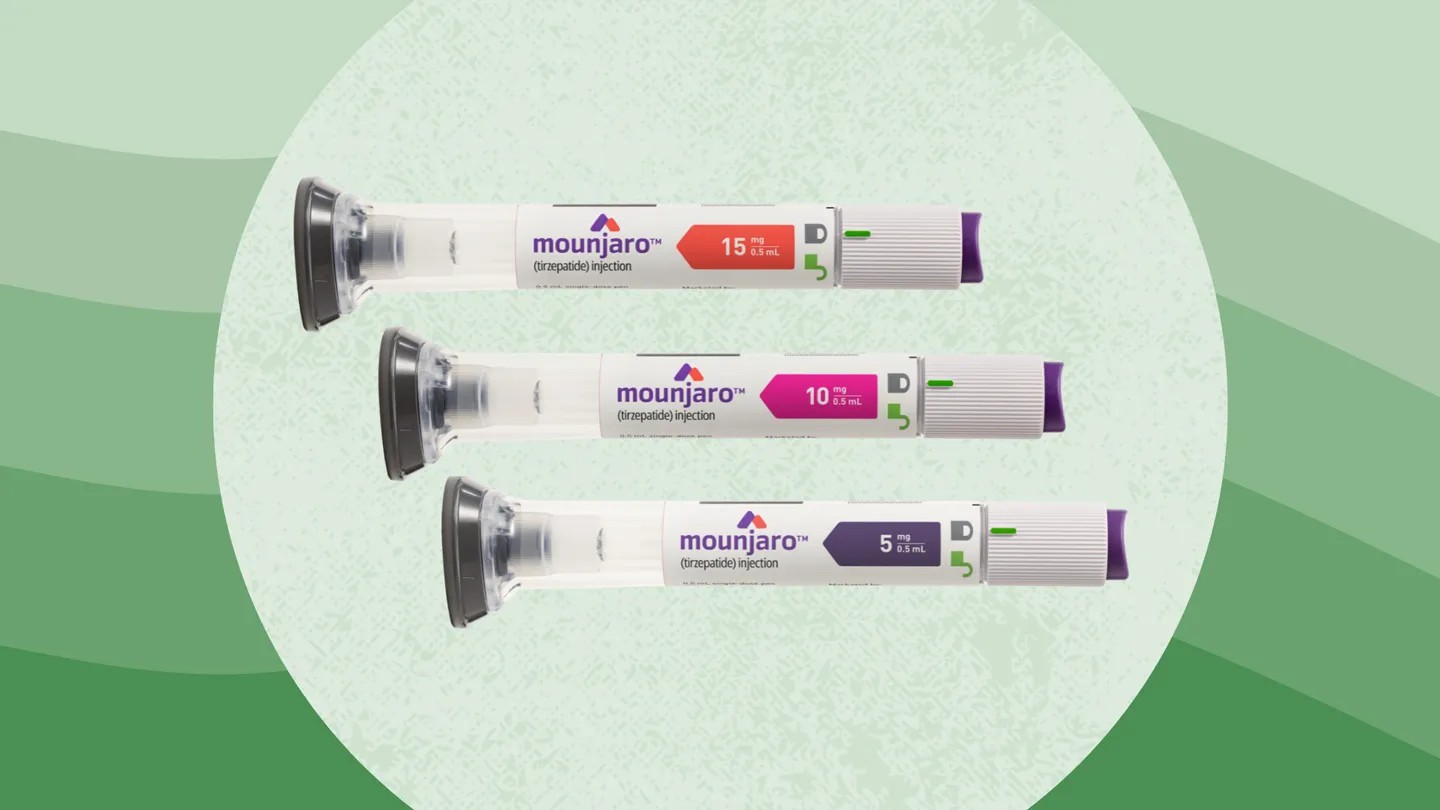
The landscape of metabolic health is undergoing a significant transformation. At the center of this shift is tirzepatide, a groundbreaking medication that has moved beyond traditional diabetes management to become a leading tool in the fight against obesity. Sold under the brand names Mounjaro (for type 2 diabetes) and Zepbound (for weight loss), this drug represents a new class of treatment that mimics two natural hormones to regulate blood sugar and appetite.
While the media buzz often focuses on weight loss, understanding the clinical mechanics, benefits, and risks of tirzepatide is essential for anyone considering this therapy. This guide breaks down how the drug works, how it compares to older alternatives, and what patients can realistically expect.
How Tirzepatide Works: A Dual-Hormone Approach
To understand tirzepatide’s effectiveness, it is necessary to look at its unique mechanism. Unlike earlier drugs that targeted only one hormone pathway, tirzepatide is the first FDA-approved GLP-1 and GIP receptor agonist.
- GLP-1 (Glucagon-like peptide-1): Primarily found in the upper gut, this hormone helps slow stomach emptying, leading to a prolonged feeling of fullness. It also signals the brain’s appetite centers to reduce hunger.
- GIP (Glucose-dependent insulinotropic polypeptide): Found in the lower gut, GIP works in tandem with GLP-1 to stimulate insulin secretion after meals and influences how fat is stored and metabolized.
By mimicking both hormones, tirzepatide creates a synergistic effect. It helps the body process glucose more efficiently—addressing the insulin resistance inherent in type 2 diabetes—while simultaneously curbing appetite and altering fat deposition.
Key Insight: The dual-action mechanism allows tirzepatide to impact multiple organs, including the pancreas, brain, and fat cells, offering a more comprehensive approach to metabolic health than single-hormone therapies.
Tirzepatide vs. Semaglutide: What’s the Difference?
Patients often confuse tirzepatide with semaglutide (sold as Ozempic for diabetes and Wegovy for weight loss). Both are injectable, once-weekly medications that mimic the GLP-1 hormone. However, there is a critical distinction:
- Semaglutide is a single receptor agonist (GLP-1 only).
- Tirzepatide is a dual receptor agonist (GLP-1 and GIP).
This additional GIP component means tirzepatide affects not just appetite and digestion, but also how the body handles fat. Clinical data suggests that this dual action may contribute to slightly superior outcomes in both blood sugar control and weight reduction compared to semaglutide, though individual responses vary.
Clinical Effectiveness: Blood Sugar and Weight Loss
The FDA approved Mounjaro for type 2 diabetes in May 2022, followed by Zepbound for chronic weight management in November 2023. These approvals were driven by robust clinical trial data demonstrating significant health improvements.
Better Blood Sugar Control
For patients with type 2 diabetes, tirzepatide has shown remarkable efficacy in lowering Hemoglobin A1C (a measure of average blood sugar over 2–3 months).
* In trials, patients on the maximum dose (15 mg) saw their A1C levels drop by 1.6 percentage points more than those on a placebo.
* Head-to-head studies indicated that tirzepatide lowered A1C levels more effectively than semaglutide and several long-acting insulin therapies.
Significant Weight Reduction
The weight loss results from trials like SURMOUNT-1 and SURMOUNT-2 have been described by experts as “spectacular.”
* Without Diabetes: In non-diabetic adults with obesity, participants on the highest dose lost an average of 22.5% of their body weight over 72 weeks, compared to 2.4% in the placebo group. More than one-third of participants lost at least 25% of their body weight.
* With Type 2 Diabetes: Participants with diabetes and obesity lost an average of 15.7% of their body weight on the highest dose, compared to 3.3% in the placebo group.
These outcomes are comparable to those seen with bariatric surgery, offering a non-surgical option for substantial weight loss.
Additional Health Benefits
Beyond weight and glucose, tirzepatide has been shown to lower systolic blood pressure by 4.2 to 12.6 mmHg in clinical trials. This reduction is largely attributed to weight loss but contributes to a lower overall risk of cardiovascular disease.
Safety Profile and Side Effects
While effective, tirzepatide is not without risks. As with all medications, it requires careful monitoring and is not suitable for everyone.
Common Side Effects
Most side effects are gastrointestinal and often diminish over time as the body adjusts to the medication. Doctors typically start patients on a low dose (2.5 mg) and gradually increase it to minimize these effects.
* Nausea (experienced by about one-third of patients)
* Diarrhea
* Constipation
* Decreased appetite
* Stomach pain or indigestion
* Vomiting
Serious Risks and Warnings
* Thyroid Tumors: Animal studies have shown that tirzepatide can cause thyroid C-cell tumors. It is contraindicated for patients with a personal or family history of medullary thyroid carcinoma or Multiple Endocrine Neoplasia syndrome type 2 (MEN 2).
* Gallbladder Issues: There is a slightly increased risk of gallbladder inflammation.
* Intestinal Blockage: The FDA warns of potential intestinal blockage risks for all GLP-1 receptor agonists, though causal links are still being studied.
Diversity in Research
Recent analyses indicate that tirzepatide is effective across diverse populations, including East Asian and Hispanic/Latino groups. However, researchers emphasize the need for continued study to ensure equitable outcomes across all ethnicities, particularly given varying BMI thresholds for obesity definitions globally.
Lifestyle Integration: The Medication Is Not a Magic Bullet
A critical misconception about tirzepatide is that it replaces the need for healthy habits. Clinical trials consistently paired the drug with lifestyle interventions, including:
* A 500-calorie daily deficit diet.
* At least 150 minutes of physical activity per week.
Medical experts stress that without these underlying changes, weight regain is highly likely if the medication is stopped. However, the drug’s ability to reduce cravings and increase satiety can make adhering to these lifestyle changes easier for many patients.
Bottom Line: Tirzepatide is a powerful tool, but it works best as part of a comprehensive health strategy that includes diet, exercise, and medical supervision.
Conclusion
Tirzepatide (Mounjaro/Zepbound) marks a pivotal advancement in the treatment of type 2 diabetes and obesity, offering superior blood sugar control and significant weight loss through its unique dual-hormone mechanism. While it presents notable side effects and requires strict lifestyle adherence, its clinical benefits make it a transformative option for eligible patients. Consulting with a healthcare provider is essential to determine if this therapy aligns with your specific health goals and medical history.