


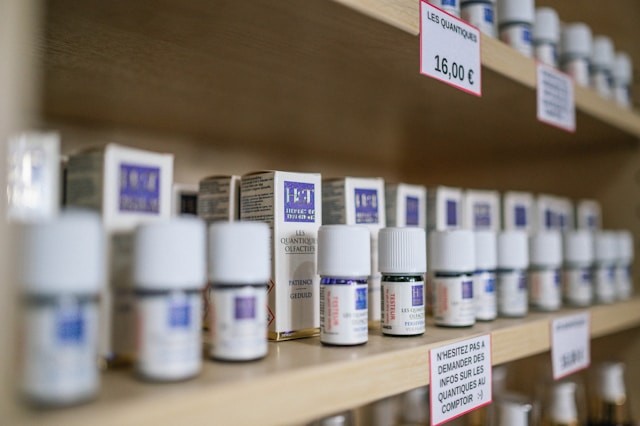
Walk into any health store today. Look at the shelves. They’re bursting. Mushroom powders, adaptogens, botanical tinctures—stuff that used to sit in backrooms or folklore books now sits next to generic vitamin C. The word “functional” is everywhere. It means nothing, and it means everything, depending on who you ask.
It’s exciting. It’s also confusing. Some of this gear has centuries of history. Most of it has two studies from 1994 and a blog post from 2018. Amentara is one vendor in this space, selling stuff like amanita muscaria. I’m not telling you to buy it. Or avoid it. I’m telling you how to think about buying anything that comes from a plant and promises a better life.
Why Is This Stuff Everywhere Now?
Demand rose. Supply answered. Shoppers want gentle, green, earthy fixes. Sellers saw the cash flow and expanded their ranges overnight.
Social media did the heavy lifting. It turns a weird root into a miracle overnight. Online stores ship obscure herbs while you sleep. The culture rewards rarity. If it sounds ancient, it must work, right?
Marketing outruns science. Every time. A confident label implies benefits that don’t exist in a test tube.
The risk is speed. New hits reach buyers before researchers can even pronounce the name. Keep a cool head when claims sound too easy.
Reading the Evidence (Or Lack Thereof)
Separate the hype from the hard data. A claim is what the seller says. Proof is what a lab, independent of that seller, finds.
Use a quick checklist:
- Source. Published studies beat influencer selfies. Always.
- Subjects. Humans count. Petri dishes? Less so. Animals? Interesting, but not us.
- Size. Twelve people prove almost nothing. A thousand is better.
- Funding. If the seller paid for the study, read it sideways.
- Consensus. One win is noise. Repeatable wins are signal.
The National Center for Complementary and integrative Health (NCCIH) says it plainly: research safety first. Then talk to a pro.
People skip that talk. It’s annoying. It’s also the best way to not accidentally kill your liver. A pharmacist can spot interactions you wouldn’t know exist.
“A short chat with a health professional is easy to skip but vital to safety.”
Wait, no “vital.” A short chat saves you money. And side effects.
“Natural” Doesn’t Mean “Safe”
It doesn’t. Poison ivy is natural. Arsenic is natural. Nature is violent and efficient.
Amanita muscaria—the fly agaric, the red dot mushroom—shows why. It has muscimol. It has ibotenic acid. Those things hit your brain. If you mess up the dose or the prep, your body rebels.
A 2025 review in Toxins spelled it out. Serious poisoning cases? They exist. Stomach issues. Neurological hits. No antidote. The authors worried about rising use as a health trend.
Another look at 2025 data noted something else: most bad outcomes came from messing up big. Too much mushroom. Wrong way of cooking it. That’s sensible advice. Handle potent stuff with care.
These severe cases are rare, though. Usually, people eat the wrong mushroom entirely. Or they eat a pound when two grams was the goal. The US sees hundreds of thousands of mushroom encounters a year. Serious Amanita deaths? Uncommon.
Still, a heart patient and a twenty-year-old athlete are not the same risk profile. Context matters. Always.
The Rules Are Broken
Regulation is a mess. Botanicals are supplements, not drugs. That changes everything.
Think of it this way:
- No pre-approval. Unlike pills from Big Pharma, these don’t pass a safety gauntlet before sale.
- No cure claims. Sellers can’t say “treats cancer” or “cures depression.” It’s illegal.
- Legal limbo. Amanita’s legality shifts by zip code and border. Check it.
- Label games. The jar might not match the contents.
Responsible shops say so. Amentara notes its products aren’t regulator-evaluated. They aren’t for diagnosis or treatment.
That’s not fine print. It’s the boundary. If a seller ignores these warnings while promising health fixes, walk away.
How To Decide Without Panicking
Stop. For 24 hours. Marketing creates urgency. Truth does not.
Run through these questions:
- Research? Human studies exist. Not just stories.
- Anecdotes? Consistent reports over time, not a viral week.
- Tradition? A long track record helps, but isn’t proof.
- Transparency? Ingredients clear? Disclaimers present?
- Promises? Modest? Or claiming cures?
- Professional check? Yes, I asked.
- Local law? I am safe to possess this.
Five solid “yeses” beat a thousand glossy words.
This method applies to CBD. It applies to rare fungi. It applies to your multivitamin. Aim for judgment, not fear.
Keep It Real
- The market grew faster than the data.
- Studies help, but check who funded them. Many are poorly done.
- Natural != Safe. Amanita can hurt you if mishandled.
- Supplements aren’t medicine. They can’t legally treat disease.
- Talk to a pro. It’s the best step you’ll take today.
Shop with a careful eye. Ask for proof. Read the warnings. Let the evidence guide you. The shelf is long. You don’t need everything on it.
FAQ
What is a functional wellness product?
Marketed for wellbeing beyond basic food. Mushrooms, tinctures, blends. They’re supplements, not medicine. Unproven in the clinical sense.
Is Amanita muscaria safe for treating things?
No legal entity can market it as a cure. It’s not an approved medicine. It’s psychoactive. Misuse leads to side effects. Check your local laws. Ask a doctor.
Does “Natural” on the label guarantee safety?
No. Potency varies. Source varies. Your body varies. Talk to someone before ingesting new plants.
How do I check if a claim is reliable?
Weigh human research. Weigh tradition. Weigh professional advice. Ignore testimonials funded by sellers. Look for repeated results in journals. Start with science. End with a conversation.