



You probably know that sting. You know the social awkwardness. But do you really know which outbreak is which?
Most people treat them the same way. You shouldn’t.
Canker sores and cold sores are biologically distinct. Treating viral outbreaks with remedy meant for a minor irritant is like opening a window with a key. It may make you feel better temporarily, but it won’t solve the problem.
Knowing the difference is the first step to stopping them before they ruin your week. Yes, there are some herbal strategies that work for both.
What exactly are you looking at?
Stop guessing. Start observing.
Canker sores are white sores with red edges. They live in the mouth. tongue, cheeks and gums. They are not contagious. These are usually angry reactions to physical or chemical stimuli.
cold sores are different. They are blisters. Clear fluid. They sit on the edges of the lips. They burst. They crust over yellow. These are caused by the herpes simplex virus (HSV). they are contagious.
One is local damage. The second is a systemic viral outbreak.
Trigger tells the story.
A canker sore occurs when you brush your teeth too much. When braces dig in. When dentures don’t fit right. When you have a mineral deficiency or a food allergy. They are your mouth’s way of saying, “Don’t touch me.”
Cold sores are a different beast. Herpes viruses rest in nerve endings for years. It waits. Then, stress hits. You get sick. The sun beats down on your face. Suddenly, the virus wakes up. It replicates. It travels along the nerves to the surface.
How to Use Herbs for Each Condition
Herbs are not magic. This is chemistry. It uses certain plant compounds to interfere with the biological processes that cause pain.
If you have cancer, you need healing and anti-inflammatory pain.
Oregon Grape Root, Echinacea and Chamomile are good candidates. They promote tissue repair. It can reduce swelling.
If it’s cold sores, you need to fight the virus head-on.
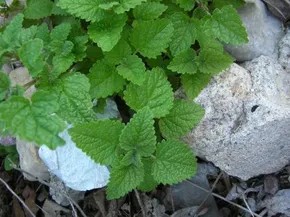
Lemon Balm is the standout here. It has antiviral properties and is particularly effective against herpes. ** St. John’s wort** is also effective. But we have to act fast.
The tingling sensation is a warning to you. Use the medicine as soon as you feel itching or burning on your lips. Don’t wait for the blister. If we wait, the virus has already won the local battle.
Licorice root can be tricky, but effective. Prevents virus replication. It can also relieve canker sores. However, it must be used correctly.
Ordinary licorice can raise blood pressure. Not ideal if you’re already stressed. Look for DGL (deglycyrrhizinated licorice). Removes components that affect blood pressure while maintaining therapeutic effects. It can be taken orally or topically for a short time.
Application mechanism
Mouthwash is more than just a habit. It’s a delivery system.
Making infusions of these herbs creates a mouthwash can speed healing time. It’s not just about drinking tea. You are bathing the tissue in active compounds.
For Echinacea, the approach is slightly different. It is an immune booster. It helps your body fight viruses internally. It also contains substances that protect collagen (the structural basis of the skin and mucous membranes) from being corroded by viral enzymes.
This is the protocol.
Take one teaspoon of concentrated echinacea root decoction or half a teaspoon of tincture. Put it in your mouth and swish for a few minutes. Then swallow. Repeat 3 times a day.
Why swallow it? Because you are treating a systemic problem. The virus is inside your nerves. We need an immune system everywhere, not just on the surface.
Chamomile works locally. Contains Bisabolol, which heals mucous membranes. It also contains chamazulene, which is a powerful anti-inflammatory agent. If you have an inflamed canker, chamomile can calm the inflammation.
Cold Sore Recipe: Lemon Balm Tea
Lemon balm is the gold standard in the treatment of herpes.
It doesn’t just dry out the sore. Actively inhibits virus activity.
Drinking several cups of lemon balm tea a day can help control the herpes virus.
Ingredients:
* 1 tablespoon fresh lemon balm leaves (or freeze-dried)
* 1 cup boiling water
Method:
Pour boiling water over the leaves. Soak for 15 minutes. You can drink it hot or cold.
You can drink as much as you want. It’s safe.
However, the quality of the herbs is important.
If you use dried lemon balm, it must be fresh and dry. If the product is left in the bottle for more than six months, the active ingredients may have been lost. The lemon flavor is a highlight. If it doesn’t smell like lemon, it’s mostly dust. Freeze drying retains its effectiveness better than air drying.
Canker Sore Recipe: Licorice Rinse
This is a medicine that works on white sores inside the mouth.
Licorice root reduces inflammation and promotes healing. It’s especially good because it doesn’t irritate the raw tissue like some alcohol-based treatments.
Ingredients:
* 1/4 teaspoon licorice powder
* 3/4 cup warm water
Method:
Add the powder to the water and stir until dissolved. Put the liquid in your mouth. Rinse your mouth for 2-3 minutes
The Internet is full of links to extensive guides to herbal remedies and home remedies. If you’re looking for a specific program, you’ll often find sections dedicated to managing common symptoms or dealing with cold sores or canker sores. Herbs such as Oregon grape and licorice have specific profiles that explain their traditional uses.
Eric Yarnell, N.D., R.H. brings significant weight to these topics. He is a naturopathic doctor and registered herbalist specializing in men’s health and urology. His academic background includes serving as an assistant professor in the Department of Plant Medicine at Bastyr University in Seattle. He also heads the Botanical Medicine Academy.
His expertise can be found in textbooks such as Naturopathic Gastroenterology, Naturopathic Urology and Men’s Health, and Clinical Botanical Medicine. He regularly contributes regularly to Alternative and Complementary Therapies.
Despite his qualifications, the information provided here is for educational purposes only. It is not a substitute for professional medical advice. The editors, publishers, and authors assume no responsibility for any consequences arising from the use or misuse of this information. Publishing this information is not medical practice.
You should consult with your doctor or other qualified healthcare provider before starting any new treatment. This is the case if you are considering herbal remedies, dietary changes or other complementary techniques. Many of these methods have not yet undergone rigorous scientific evaluation. Combining natural remedies with prescription or over-the-counter medications can cause serious side effects.
Safety information is often limited. Effectiveness is rarely guaranteed. Regulations vary by state and discipline. Some practitioners are licensed by accredited national organizations. Others don’t. If you choose to see a practitioner, verify their credentials and ensure they adhere to established professional standards.
The safest way is always to speak with your primary care provider. They can help you navigate the gap between traditional herbal knowledge and modern medical evidence.