




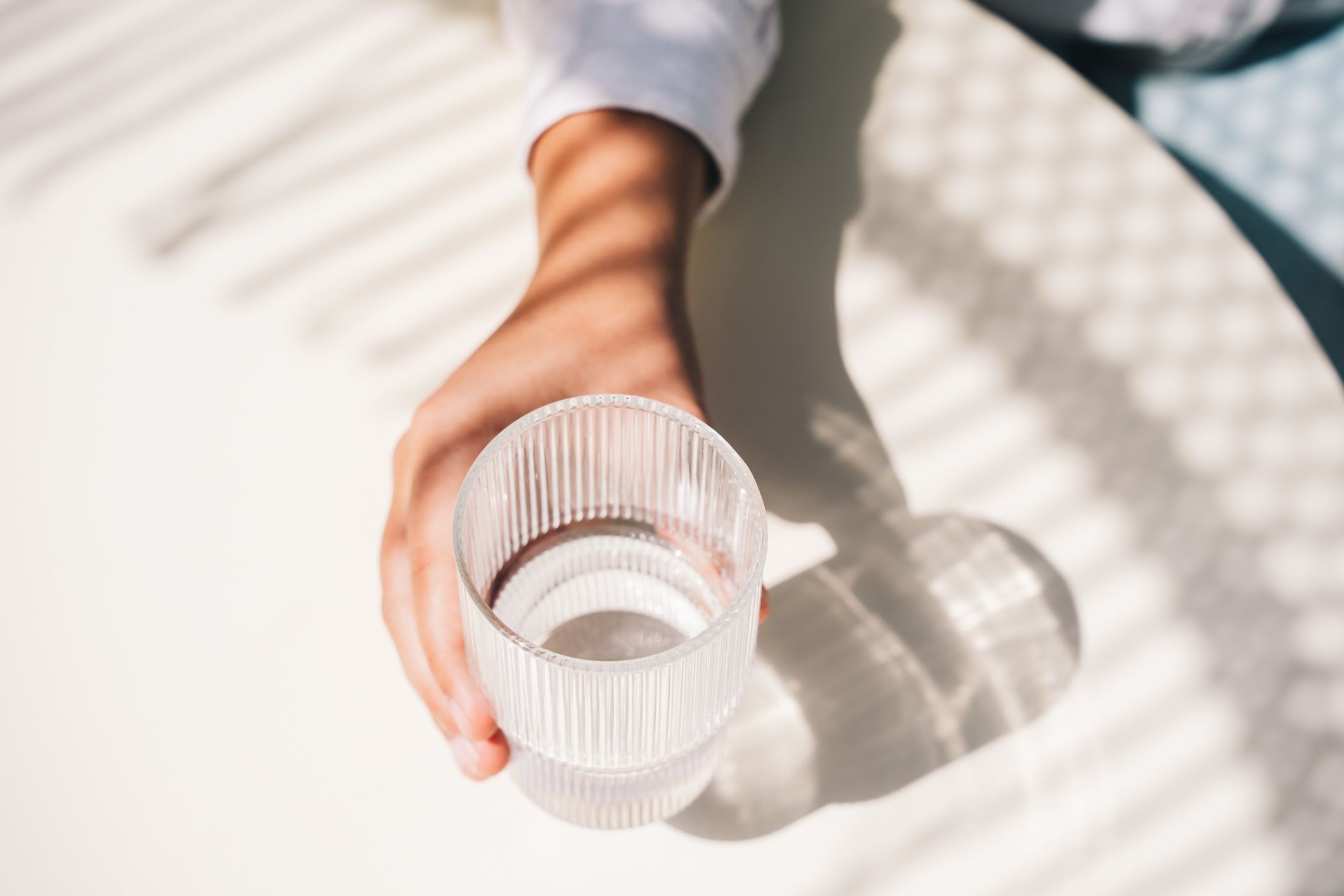
Hydration. It’s the holy grail of wellness advice.
You’re told to drink up for glowing skin. For weight loss. For endless energy. It’s drilled into you until the sound of a water cooler feels like a promise.
But here’s the thing about advice that sounds good in theory: it’s hard to execute in practice. Especially when you’re sitting at a desk for eight hours straight, staring at a spreadsheet, forgetting that your body is technically a bag of water.
I’m no stranger to hydration advice. I carry a reusable bottle. I sip throughout the day. But let’s be real — “sipping throughout the day” is a idealistic notion. The reality? I’d hit noon, realize my bottle was dry, and then chug a glass in panic.
I’d get headaches. I’d crash at 3 p.m. I thought that was just… being an adult.
Turns out, it might have been mild dehydration.
So, I decided to test a common claim: does increasing your daily water intake significantly improve your health, energy, and focus? I tracked my water, my headaches, and my sweat for 30 days. The results were surprising. And not in the way you might expect.
The Numbers Game: How Much Water Is Actually Enough?
Let’s look at the science before looking in the mirror.
Guidelines vary. The National Academies of Sciences, Engineering, and Medicine suggest roughly 11.5 cups (2.7 liters) for women and 15.5 cups (3.7 liters) for men. But this isn’t just water. It’s all fluids. Food counts too. Fruits and veggies are basically water with nutrients attached.
The average American adult? They drink about 44 ounces a day. That’s it. Less than half the recommendation.
I was sitting somewhere in the middle. Before my experiment, I drank 50 to 65 ounces daily. Not terrible. Not great. I was operating at a deficit.
To test if the extra fluid would change my life, I aimed for the top end of the female recommendation. 2.7 liters. Roughly 90 ounces. That’s an 11-cup challenge every single day.
I swapped coffee for water. I counted seltzer as water (because why not? It’s hydrating, it’s fizzy, it feels like a treat). I kept a cold bottle visible. I set a simple rule: finish a 24-ounce bottle three times a day.
That’s 72 ounces right there. The other 18? Fill them in.
Did Drinking More Water Clear My Skin?
No. And honestly, that disappointed me a little.
There’s no major transformation in my complexion after 30 days. No sudden pore-clearing miracle. No dramatic glow that would make me look like a water-polo model.
But it’s not because water doesn’t matter. It’s because skin health is a complex web of genetics, diet, sun exposure, and sleep. Hydration plays a part. But it’s not a magic eraser for dry patches or dullness.
Don’t get me wrong. Chronic dehydration makes skin look saggy and dry. But adding water on top of adequate hydration doesn’t seem to supercharge your epidermis. It just keeps it from looking like a desert.
The Headache Connection: A Real, Measurable Benefit
This was where the data got interesting.
I used to treat headaches as an unavoidable tax for working with my eyes. I’d pop a pill. I’d lay in the dark. I’d assume it was stress.
After two weeks of consistently drinking 90 ounces, something shifted.
My headaches became less frequent. And when they did show up, they were less severe. I noticed this especially after days where I had stuck to the plan. If I slacked off, the headache would creep back in by evening. If I hydrated well, I’d wake up feeling clear-headed.
“One of my other goals was reducing headaches… I did see an improvement in both the severity and frequency.”
It’s a small win. But for someone who relies on brain function for their job, a clearer head is worth more than any skincare routine.
Sleep: The Unexpected Bonus
This one was a complete curveball.
I’d formed a bad habit: waking up at 2 a.m. to drink a sip of water from the nightstand. It wasn’t a full awakening, just a micro-interrupt. It fragmented my sleep cycles. I didn’t realize how often it was happening until I stopped needing to.
Once I started hydrating heavily during the day, I stopped waking up at night.
My body wasn’t screaming for fluid at 3 a.m. because I’d already given it enough during the daylight hours. I slept through the night. I felt less groggy in the morning.
It’s a subtle thing. But if you’re struggling with fragmented sleep, check your daytime fluid intake. It might be simpler than a new sleep hygiene app.
Energy Levels: A Myth Busted?
Here’s the hard truth: drinking more water did not boost my overall energy.
Sipping ice water? Yes. That gives a quick jolt. It’s the sensory shock of cold temperature. It wakes you up for ten minutes.
But chronically drinking more water? No difference in my baseline energy levels.
I didn’t feel more awake. I didn’t have more stamina for mental tasks. I didn’t skip the 3 p.m. crash.
If you’re looking for a natural caffeine replacement to get through the afternoon slump, water is not it. It’s not a stimulant. It’s a maintenance fluid. It keeps the engine from seizing, but it doesn’t add horsepower.
Workouts: Where Hydration Actually Shines
This is where the extra water made a tangible, physical difference.
I noticed it during evening workouts. Specifically, how hydrated I felt.
On days when I’d been sipping water all day, I didn’t get thirsty quickly during my runs or yoga classes. I lasted longer. I felt more comfortable. Even in a hot yoga room — where you sweat buckets — I could go an hour without needing to down half a bottle.
Compare that to my pre-experiment days. I’d finish the class, bottle empty, feeling wiped and parched. I’d struggle to loosen up my muscles before starting. Hydrated muscles contract better. They recover faster. They don’t cramp as easily.
If you exercise, especially intensely or in heat, increasing your daily water intake isn’t just about feeling good. It’s about performance. It’s about endurance. It’s about not feeling like you’re running on empty.
The Takeaway: Consistency Over Quantity
I didn’t change my life by drinking 90 ounces of water a day. I didn’t lose weight. I didn’t become a productivity machine. I didn’t get clearer skin.
But I did realize something important.
Most of us aren’t drinking too little. We’re drinking irregularly.
We go from parched to hydrated in a panic, then forget to drink again for six hours. This rollercoaster is worse for your body than just drinking a steady, moderate amount all day.
My plan going forward? I’m not aiming for 90 ounces every single day. That’s tedious. That’s exhausting. But I am aiming for consistency.
I’m aiming to have water nearby. I’m aiming to sip before I’m thirsty. I’m aiming to include fluids in my meals.
Water isn’t a cure-all. It’s not a miracle drug. But it is essential. And for most of us, drinking more consistently than we do now is one of the simplest, cheapest ways to feel slightly better, every single day.
Is it worth the effort? Depends on what you want. If you want glowing skin, look elsewhere. If you want a mental boost, go for a walk. But if you want to avoid headaches, sleep through the night, and perform better at the gym?
Start with the water. Then build from there.