





You’ve pulled a fourteen-hour shift. The clients were impossible. You’re doing the work of three people. All you want is to collapse into that California King, four-poster sanctuary. The goose down pillow and comfort-top mattress are waiting. No TV. No laptop. No phone. Just you and your 500 thread count Egyptian cotton sheets. You pull the shades. Strap on the silk aromatherapy sleep mask. You figure morning will fix everything.
But your heart knows better.
The Biology of Sleep Across the Lifespan
A good night’s rest isn’t just about feeling refreshed. It’s structural maintenance for your body. Specifically, your cardiovascular system. Most adults need about eight hours. But that number isn’t static. It shifts with age.
Newborns sleep eighteen to sixteen hours a day. Easy. At three months, babies start recognizing day from night. This is the circadian rhythm kicking in. By age one, they sleep ten to twelve hours at night and nap for three to five more.
Then comes puberty. Body clocks shift. Teens stop producing sleep hormones until 1 a.m. Adults produce them at 10 p.m. That’s why teenagers struggle to wake up. Their biology says stay up. Their schedule says get up.
College makes it worse. One study found that 25% of college students are chronically sleep deprived. Adults are no better. Nearly 60% report sleep problems. Only 37% get the recommended eight hours. Half of these issues are stress-related. The bedroom becomes the only quiet place to process the day. But quiet doesn’t mean restful.
How Sleep Deprivation Damages the Heart
Recent research clarifies the link. It’s not just about energy levels. It’s about blood pressure. It’s about heart health. Too little sleep harms you. Too much sleep harms you. The curve is narrow.
Sleep deprivation raises blood pressure. It stresses the ticker. The mechanism is direct. When you don’t sleep, your nervous system stays in a heightened state. Cortisol levels remain high. Inflammation increases. This combination strains the heart.
Why does this matter? Because heart disease is the leading cause of death globally. And sleep is a modifiable risk factor. You can’t change your genetics. You can change your sleep habits.
Which sleep stages matter most? Deep sleep and REM sleep. These are when the body repairs tissue and regulates hormones. Without them, repair slows. Risk rises.
The Stress-Sleep-Heart Connection
Stress is the biggest thief of sleep. Half of all sleep problems are stress-related. When you’re stressed, your mind races. The quiet bedroom becomes a courtroom where you replay the day’s events. This mental activity prevents deep sleep.
The result? A vicious cycle. Stress keeps you awake. Lack of sleep increases stress. Increased stress harms the heart. It’s a feedback loop.
How do you break it? By protecting sleep as a non-negotiable health practice. Not a luxury. A necessity. Like brushing your teeth. Or wearing a seatbelt.
Does everyone need eight hours? No. Some people function on seven. Others need nine. The key is consistency. Going to bed at the same time. Waking up at the same time. Even on weekends. This stabilizes the circadian rhythm.
What about naps? Short naps—under thirty minutes—can help. Long naps can disrupt nighttime sleep. Be careful.
Why Adults Struggle More Than Teens
Teens have biological excuses for late nights. Adults have none. Yet adults suffer more. Nearly 60% report sleep problems. Why?
Work pressure. Parenting. Financial stress. The mental load is heavier.
The specific link between sleep duration and coronary heart disease risk
The joke goes that sleep exists solely to cure sleepiness. It’s a lazy punchline for a complex biological mystery. We still don’t have a definitive answer on exactly why we shut down for eight hours every night. But the consequences of skipping it—or overdoing it—are becoming impossible to ignore.
Recent data places sleep habits in the same danger zone as smoking and obesity. If you want to understand the link between sleep duration and coronary heart disease risk, you have to look at the extremes. Too little sleep hurts. So does too much.
How a Harvard study quantified sleep and heart trouble in women
Harvard researchers ran a ten-year study on this. They tracked over 70,000 women aged 45 to 65. None had a history of heart disease at the start. By the end, 934 developed coronary heart disease. 271 died from it.
The researchers controlled for age, weight, and smoking status. Then they looked at the clocks.
Five percent of the women slept less than five hours a night. Those women were nearly 40 percent more likely to suffer from heart disease than those averaging eight hours. On the other end, women sleeping more than nine hours were 37 percent more likely to have heart trouble.
It’s a U-shaped curve. The middle is safe. The edges are not.
Why short-term sleep deprivation triggers immediate physiological stress
Previous studies on men showed similar patterns. But the mechanism matters. Why does losing sleep wreck your heart?
Short-term sleep deprivation spikes blood pressure. It raises stress hormones. It lowers glucose tolerance. It can even trigger irregular heartbeats. These aren’t vague correlations. They are direct precursors to coronary disease.
Chronic lack of sleep promotes weight gain and diabetes. Both send you to the ER clutching your chest. Lack of sleep also impairs the lining of your blood vessels. It causes low-grade inflammation. That inflammation builds up. It leads to disease.
Sleep apnea and the failure of nightly blood pressure recovery
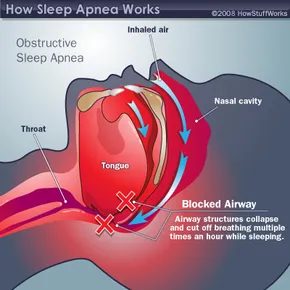
Then there’s sleep apnea. Your airway collapses. You wake up to breathe. Your sleep is fitful.
Research shows people with sleep apnea see marked increases in blood pressure over time. They also have higher levels of sympathetic nervous system (SNS) activity. The SNS controls heart rate and blood vessel constriction.
Here’s how it should work: when you fall asleep, your blood pressure and SNS activity drop. You recover. With apnea, you wake up at regular intervals to resume breathing. That recovery never happens. The stress stays high. The heart stays stressed.
Adolescent sleep deprivation and the risk of early-onset hypertension
Young people aren’t immune. If you think you’re in the clear because you’re young, think again.
Teens who sleep less than 6.5 hours per night are more than twice as likely to develop high blood pressure. The average teen gets roughly seven hours. They need nine.
The gap is real. The risk is real. Kids need to put down the Guitar Hero controller. Shut off the iPhone. Catch some Zs.
How to use sleep as a preventive tool for heart health
Here is the good news. You can eliminate this specific risk factor. Go to bed. Stay there for eight hours.
It’s not the only factor. Diet matters. Exercise matters. But sleep is something most people actually enjoy. It’s free. It’s effective.
Doctors believe 30-minute naps a few times a week can improve health. Some companies are installing nap rooms. It’s a forward-thinking move.
If you struggle to sleep, change your environment. Make the bedroom a haven for slumber. Paint the walls cool blues. Remove the TV. Remove the laptop.
You’re doing your heart a favor. Maybe it’s not a perfect fix. But it’s a start.