
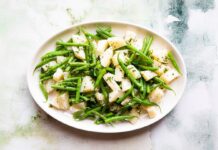




Navigating dietary choices with ulcerative colitis (UC) can be challenging. While vegetables are crucial for overall health, certain types can worsen symptoms, especially during flare-ups. However, eliminating them entirely isn’t necessary. The key is understanding which vegetables are gentler on the gut and how to prepare them for optimal digestion.
Why Diet Matters in Ulcerative Colitis
UC causes inflammation in the large intestine, making the digestive system more sensitive. Certain fibers, particularly insoluble fiber, can irritate the gut lining and trigger symptoms like diarrhea, bloating, and abdominal pain. Conversely, soluble fiber can soothe inflammation by slowing digestion and improving stool consistency. The right vegetable choices can significantly impact symptom management and quality of life.
Tolerable Vegetables for UC Patients
Many individuals with UC find relief by incorporating specific vegetables into their diet, particularly during remission or when symptoms are mild. These include:
- Root Vegetables: Shredded carrots, butternut squash, and acorn squash are high in soluble fiber and low in irritants.
- Soft-Textured Vegetables: Zucchini, summer squash, and well-cooked potatoes or sweet potatoes are generally easy to digest.
- Tender Greens: Asparagus tips (avoiding tough stalks) can be tolerated by some.
These vegetables are often better tolerated because they contain more soluble fiber, which absorbs water in the gut, creating a smoother bowel movement.
Vegetables to Limit or Avoid
Certain vegetables are known triggers for UC symptoms. Cruciferous vegetables —broccoli, cauliflower, Brussels sprouts, and cabbage—are particularly problematic due to their high sulfur content, which causes gas and bloating. Similarly, tough, uncooked greens like kale salads can exacerbate irritation.
It’s important to note that individual tolerance varies. Some people may manage these foods better than others, especially when their symptoms are under control.
Preparing Vegetables for Easier Digestion
How you prepare vegetables is just as important as which ones you choose. The following steps can make a significant difference:
- Peel Skin: Removing the skin from vegetables like carrots and potatoes eliminates insoluble fiber that can irritate the gut.
- Cook Thoroughly: Steaming, baking, roasting, or lightly sautéing vegetables until very soft reduces their irritant potential.
- Mash or Purée: During flare-ups, pureed or mashed vegetables are the easiest to digest. Blending them into soups or smoothies can further reduce fiber texture.
The Bottom Line
Eating vegetables with UC requires mindful selection and preparation. Focusing on soft-textured, soluble-fiber-rich options while avoiding known triggers can improve symptom management and overall gut health. Remember that dietary needs vary; what works for one person may not work for another. Experimenting under the guidance of a registered dietitian is crucial for finding the best approach.