


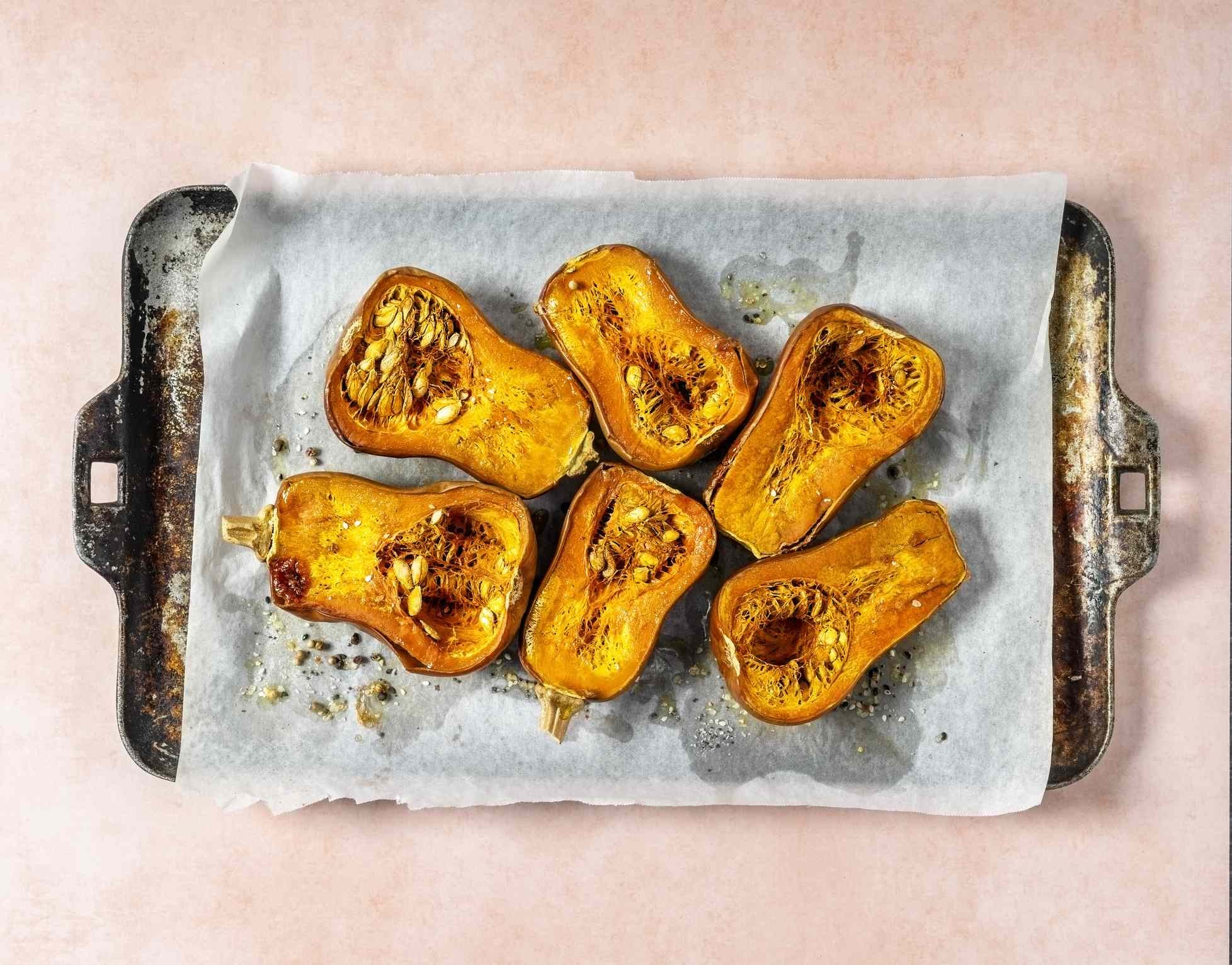
Butternut squash is a good source of vitamin A, providing over 80% of the Daily Value (DV) per cup. However, numerous foods contain significantly higher concentrations of this essential nutrient, which supports vision, immunity, and organ health. Understanding these alternatives allows for more diverse and potentially more effective dietary intake of vitamin A.
The Vitamin A Hierarchy
While butternut squash is beneficial, several foods surpass it in vitamin A content. These include animal sources and certain vegetables, each offering unique benefits and considerations.
1. Beef Liver: The Undisputed Champion
With a staggering 8,910 micrograms (891% DV) per 3-ounce serving, beef liver is the most concentrated natural source of vitamin A. However, its high cholesterol and saturated fat content necessitate moderation, especially for individuals with heart conditions. Excessive preformed retinol intake can also lead to toxicity, impacting liver function and bone health.
2. Carrot Juice: A Safe & Potent Source
One cup (240 grams) of carrot juice delivers 2,290 micrograms (254% DV) of vitamin A, primarily in the form of carotenoids. Unlike retinol, carotenoids are non-toxic in high doses, as the body regulates their conversion to vitamin A. Raw carrots also provide a substantial 1,018 micrograms (113% DV) per serving.
3. Sweet Potato: Versatile & Beneficial
A cup (200 grams) of cooked sweet potato boasts 1,920 micrograms (213% DV) of vitamin A, also in carotenoid form. Its versatility and ease of incorporation into various diets make it an excellent choice for sustained vitamin A intake.
4. Canned Pumpkin: Convenient & Nutrient-Rich
Half a cup (122 grams) of canned pumpkin provides 950 micrograms (100% DV) of vitamin A, primarily from beta-carotene. Opting for 100% pumpkin puree without added sugar ensures maximum nutritional benefit.
5. Eel: An Unexpected Powerhouse
A 3-ounce (85-gram) serving of cooked eel delivers 969 micrograms (107% DV) of vitamin A. This makes eel a surprisingly effective source of the nutrient, though consumption may vary depending on individual preferences.
6. Mustard Greens: A Leafy Vitamin A Boost
One cup (140 grams) of cooked mustard greens provides 865 micrograms (96% DV) of vitamin A, primarily from beta-carotene and other carotenoids. This makes it a healthy and accessible option for boosting vitamin A intake.
Why Vitamin A Matters
Vitamin A plays a crucial role in numerous bodily functions. It supports vision, especially in low light, strengthens the immune system, and maintains healthy skin and mucous membranes. Additionally, vitamin A is essential for proper cell growth and differentiation.
The distinction between preformed retinol (found in animal sources) and carotenoids (found in plants) is vital. Retinol can be toxic in excess, while carotenoids are converted to vitamin A as needed, making them a safer long-term dietary choice.
Prioritizing a diverse range of vitamin A-rich foods ensures optimal health without risking toxicity. While butternut squash is a good start, exploring these alternative sources can significantly enhance your nutrient intake