



Ultra-processed food. It’s the label for those industrial creations found in aisles everywhere. Not the “junk food” of our childhood slang. Something more specific. And much worse.
Look at the ingredients. You’ll see salts. Sugars. Fats. Then comes the list that belongs in a chemistry textbook. Flavors. Colors. Emulsifiers. Additives designed to mimic real meals or cover up the fact that nothing real is left. In my system? These are the red light foods. Stop. Avoid. Minimize the yellow ones. Maximize the green. Yet the American diet runs red. Soda. Cakes. Chicken nuggets. Fish sticks. More than 71% of U.S. grocery items fall into this trap.
It’s everywhere. Even where it shouldn’t be. Gas stations. Chiropractors’ offices. A former Coca-Cola executive admitted the goal was to keep soda within “an arm’s reach of desire.” One candy maker boasted about being everywhere. From bowling alleys to grocery stores. “Not sorry,” they said.
The result? Devastating. Between 56% and 70% of calories consumed by American teens come from this source. It’s not just kids. Across higher-income nations globally, ultra-processed items account for over half our caloric intake. No wonder unhealthy diets are the number one killer. Globally. Period.
Rats get it right. Give them processed diets and they gorge. Weight skyrockets. Inflammation hits. Cognitive abilities drop. In humans? We developed a new eating disorder called binge eating. And what fuels it? 100% of those binge foods are ultra-processed. People don’t binge on broccoli. They engineer these foods so you can’t stop.
The science backs the horror. Nine out of ten studies link this diet to bad outcomes. Cancer. Heart disease. Diabetes. Depression. Even early aging. No study found a benefit. None. Meanwhile, populations sticking to minimally processed, high-fiber, low-meat diets? They live longer. Healthier.
But correlation isn’t causation, the critics argued. Or was it an excuse? Industry lobbyists love the “nutrient tweak” defense. Just add fiber. Reduce sugar slightly. Keep the processing. Claim victory.
So researchers tested it. The first randomized controlled trial. Twenty people locked in a ward. Two diets. Fourteen days each. Same calories. Same sugar. Same fat. Same fiber.
The catch? One was whole food. One was ultra-processed.
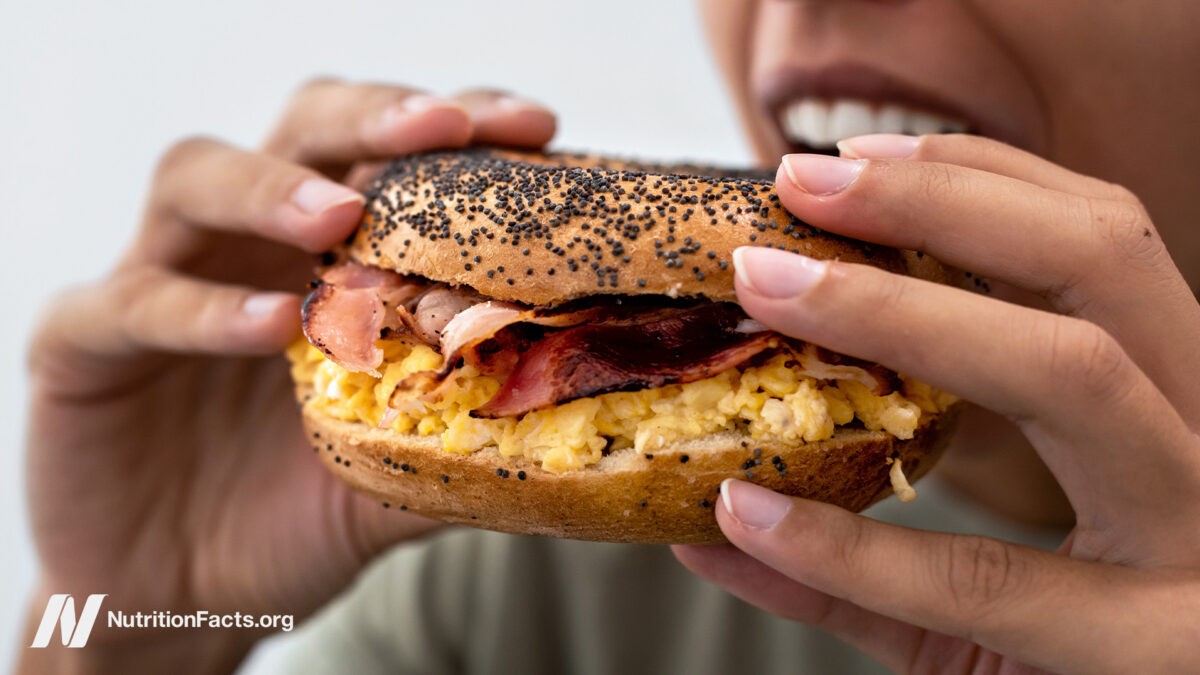
Breakfast might be Cheerios and egg muffins with bacon in one week. The next? Oatmeal with blueberries and nuts. Lunch? Turkey sandwich with Greek yogurt and baked chips. Versus a salad with beans, carrots, avocado.
The instructions? Eat as much or as little as you wanted.
The results?
People eating the processed diet consumed 500 extra calories daily. They gained two pounds. The group eating unprocessed foods actively lost weight. Despite identical nutrient profiles on paper.
Tweaking doesn’t work. The industry wants the “unobtrusive strategy.” A nutritional upgrade without changing what people eat. A nice idea. It fails in practice. The structure itself drives the excess consumption.
Why do corporations push it? Profit. Subsidized corn syrup. Cheap ingredients. Huge margins. They make a trillion dollars a year. We pay the price. Literally. Healthcare costs for diabetes and heart disease dwarf industry profits. Triple it, some argue. We lose far more than they gain.
The defense? It’s convenient. Busy lives. Too hard to cook. Realistic constraints, they claim. This is just surrender to decades of marketing. Disinformation campaigns targeting families.
Dr. Robert Lustig calls processed food a “failed experiment.” He blames mothers for not knowing what real food is. I reject that. It’s unfair. But his solution is clear. One recourse.
Real food.
Low in sugar. High in fiber. Simple. Hard to execute? An apple is convenient. Peel it. Eat it.
“There’s only one recourse—real food.”
We need to think outside the box. Or rather. Get out of the supermarket aisle. Stop fixing what’s broken. Start choosing what was never broken to begin with.