


The numbers are jumping. Fast.
By mid-July, the CDC confirmed over 1,600 cyclosporiasis cases across 34 states. That figure does not even include the more than 5,000 others currently under investigation. Compared to this time last year? The count is nearly six times higher.
Taco Bell is in the crosshairs. Specifically, contaminated lettuce. But if you’re hunched over a toilet bowl wondering why this is happening to you, cyclospora isn’t the only thing trying to wreck your week. Most American diarrheal illness comes from entirely different, far more common sources.
Common Causes of Gastroenteritis vs. Cyclospora
Norovirus wins the volume game.
It causes 19 to 21-million cases of acute gastroenteritis annually in the US. The virus is aggressive. It hops from person to person. It hides in food. Schools, restaurants, cruise ships—they’re breeding grounds. You’re sick within 12 hours of exposure. Sometimes less. Vomiting. Watery diarrhea. Cramps. You hate it, but usually you’re out of the woods in 1 to 3 days.
Salmonella behaves differently. This bacteria likes undercooked poultry, eggs, unpasteurized milk, or dirty produce. The timeline is slower. Symptoms might take 6 hours. Or 6 days. You’ll get the fever. The cramps. The diarrhea. It typically clears up in a week. But watch for blood in the stool or spiking fevers—those are more Salmonella than Norovirus.
Then there’s Campylobacter.
Often found in undercooked chicken, raw milk, or contaminated water, the CDC estimates it causes over 1.5-million infections a year. Most go unreported. Symptoms hit 2 to 5 days after ingestion. Cramping, fever, and sometimes bloody diarrhea. Here’s the kicker: while Norovirus fades fast, Campylobacter can stick around for a week or longer. It is exhausting.
Norovirus hits hard and fast. Campylobacter lingers. Cyclospora drags on for weeks.
When to Suspect Cyclosporis Over Other Food Poisoning
So how do you tell?
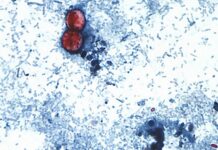
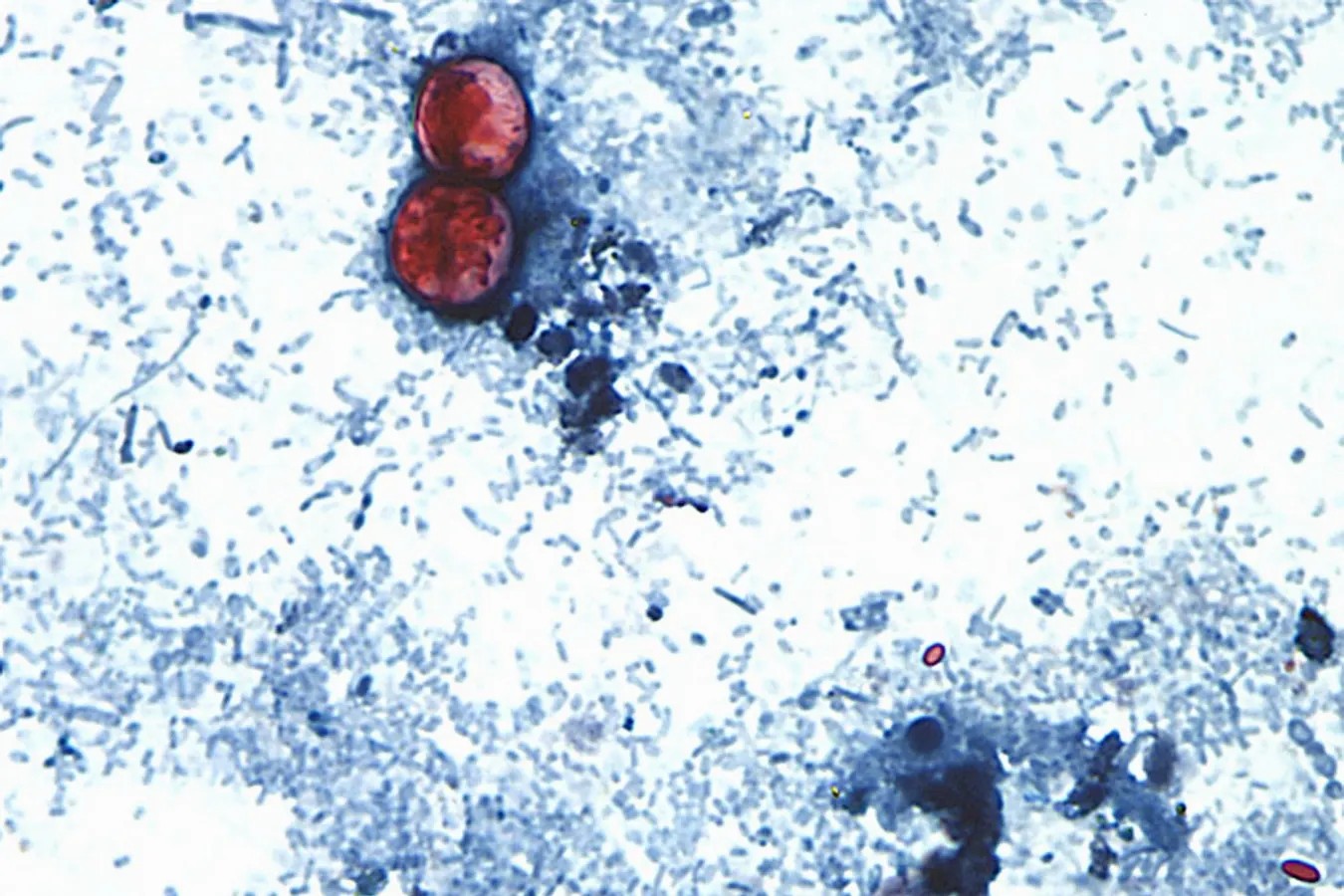
Given the current outbreak linked to leafy greens, you need to know what makes this parasite unique. Standard tests won’t find it. Routine stool cultures ignore Cyclospora. Doctors have to ask for it specifically.
Look for the duration.
Most stomach bugs resolve in a few days. Cyclosporia is a marathon. Without treatment, symptoms can persist for weeks. They might vanish, then come roaring back. Relapses are common here. They are not common elsewhere.
The symptoms themselves offer clues too. Frequent watery diarrhea. Non-bloody. Accompanied by significant fatigue. Weight loss. Nausea. Bloating. Loss of appetite. If you’re tired enough to cancel plans, pay attention.
Also, check what you ate. Cyclospora loves produce. Not chicken. Not beef. It thrives on bagged salads, fresh basil, cilantro, raspberries, snow peas, and green onions. Remember the Taco Bell lettuce? That’s the link.
Timing matters too. In the US, this is a warm-weather issue. Cases peak between May and August.
Identifying Symptoms Of Cyclosporiasis: Watery Diarrhea And Fatigue
If you have watery diarrhea that won’t quit past a week—and especially if it comes with fatigue or weight loss after eating fresh greens, herbs, or berries—ask your doctor. Request the specific test.
Do not just wait it out if it’s been weeks.
Standard diagnostics often miss the parasite unless specifically ordered for seasonal produce outbreaks.
Preventing Parasite Infection: Food Safety Guidelines
Regardless of the culprit—whether it’s the new Cyclospora wave or old-school Norovirus—your defenses are the same.
Wash the produce. Actually wash it. Not a rinse, a good wash.
Cook food to its recommended internal temperature. Do not guess. Use a thermometer.
Skip the unpasteurized dairy.
And yes, the boring stuff: wash your hands. Soap and water. After the bathroom. Before you touch food. Before you eat.
It feels cliché because it is. But parasites do not care if you are a health nut. They just wait.
Stay vigilant with your salads this summer.