



NASCAR doesn’t run a safety committee. There’s no medical director flying with the team to every track. You won’t find a consistent traveling safety crew hovering over every pit box. The burden of staying alive falls squarely on the drivers’ shoulders.
Street driving is risky. Accidents happen. Stock-car racing is a different beast. These vehicles are heavier. They move faster. The force of impact with a wall or another car is immense. Serious injury isn’t just a possibility; it’s a statistical inevitability waiting to happen.
Before the green flag drops, a driver suits up. This isn’t fashion. It’s armor. The gear covers head to toe. It stands between the driver and second-degree burns that could end a career—or a life.
The Nomex Fire-Retardant Suit
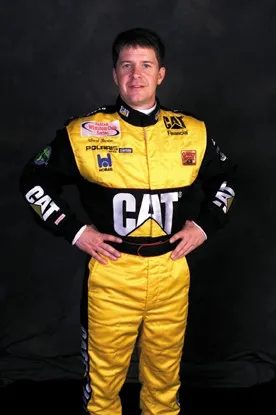
That sponsor-studded suit everyone recognizes is more than a walking billboard. It’s a lifeline. Made from Proban or Nomex, the material offers critical protection against flash fires in the pits or fiery crashes.
Nomex is unique. Unlike other flame-retardant fabrics, its resistance doesn’t wash out. It doesn’t wear away. The fabric is woven into suits, gloves, socks, and shoes. This matters because foot burns from engine heat are one of the most common injuries in the sport.
The SFI Foundation, a nonprofit that sets equipment standards, rates these suits. The ratings predict protection time against gasoline fires burning between 1,800 and 2,100 degrees Fahrenheit.
- A 3-2A/1 rating offers three seconds of protection.
- A 3-2A/20 rating offers 40 seconds.
Those seconds matter. In a crash, seconds determine if a driver walks away or burns.
“The Nomex is woven into a material that is used to make the suit, gloves, socks and shoes worn by the driver.”
The gear is a barrier. But the track is unforgiving. The heat is real. The speed is lethal. Drivers trust the suit. They have to.