




Here’s this week’s InnovationRx. We’re looking at Axsome’s pipeline, a startup replacing cancer ops with sound waves, and a legal fight over who gets health care. Want this in your inbox? Subscribe.
Axsome: From skepticism to $12B
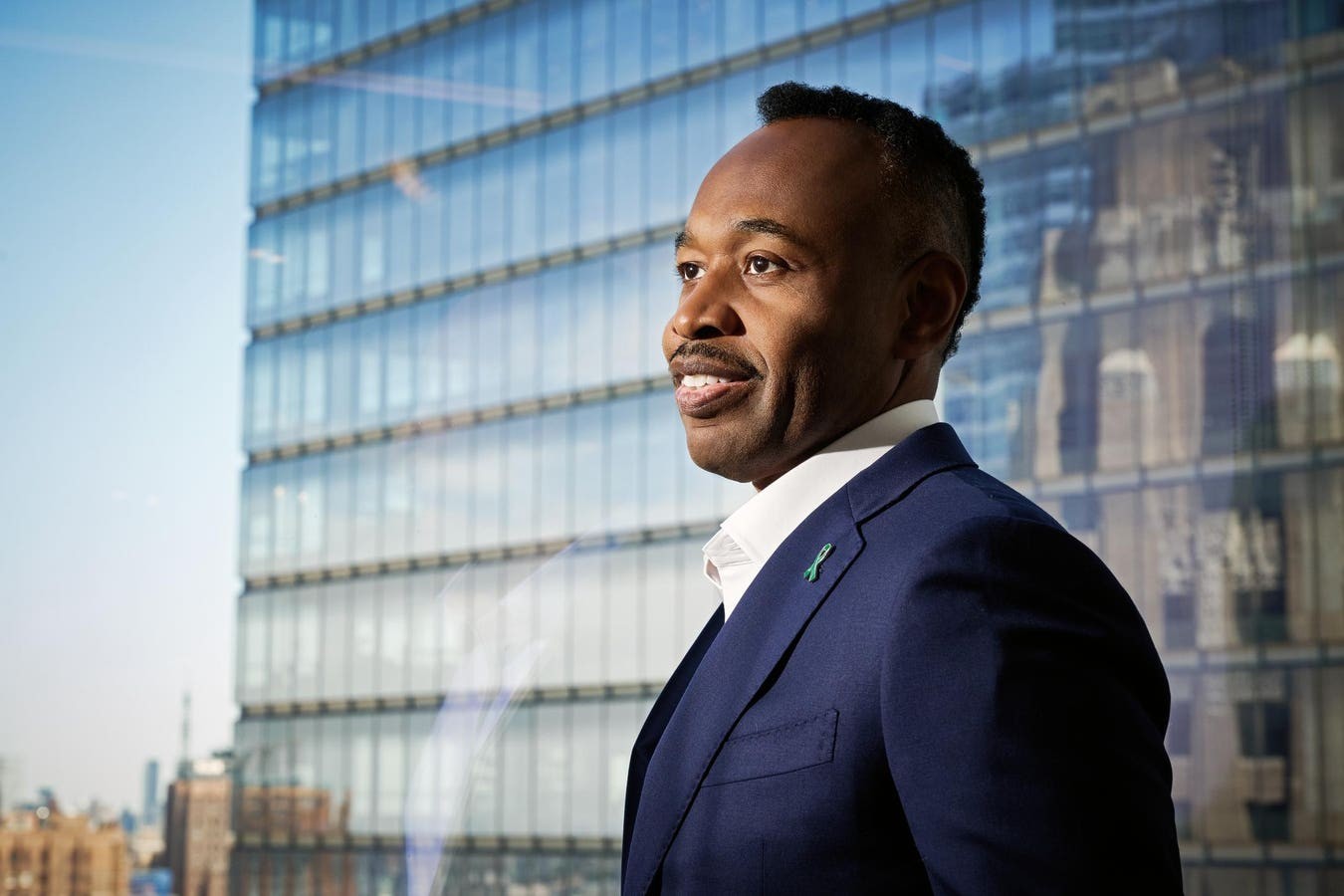
Last October was different. Forbes profiled Herriot Tabuteau. Axsome Therapeutics had three drugs selling, five in the pipes, and a market cap hovering at $6.1 billion.
Today? That stock has doubled. The company sits at $12.6 billion. Tabuteau is worth $2.2 billion himself.
Compare that to the giants. Alphabet is up 45%. Eli Lilly? Up 57%. Nvidia managed a modest 7%.
Axsome left them behind.
Why? Auvelity. The drug just got approved for agitation in Alzheimer’s patients. Tabuteau says the reception has been “tremendous.”
“We literally just launched it a few weeks ago.”
It wasn’t always this easy. Born in Haiti, trained at Yale, Tabuteau started Axsome in 2012. He ignored venture capital. He asked family and friends for cash instead. He targeted brain disorders. Hard to make. Hard to prove. Wall Street didn’t care when Axsome went public in 205. The stock sat below $10 for years.
Then Auvelity came online in August 2022 for major depression. Shares jumped 65% in a single week. Valuation hit $3 billion.
Now it’s the Alzheimer’s agitation piece that matters. More than 7 million Americans have Alzheimer’s. Up to 76% suffer agitation. Until now? Only option was antipsychotics. Risky. Sometimes deadly.
A report from the Office of Inspector General in March called the use of antipsychotics “alarming.” A longstanding concern for Congress. The FDA marked Auvelity as the first non-antipsychotic treatment for this specific issue. A sign of public health importance, Tabuteau argues.
Sales? Tabuteau raises the forecast. $8 billion at peak. Up from $6 billion earlier this year. He’s hired more sales reps to match the hype.
Could it go broader? Maybe. Lewy body dementia. Vascular dementia. Who knows.
The money is coming. $709 million in revenue for the last 12 months. A 64% jump year-over-year. Analyst Myles Minter projects $975 million in 2026. $1.7 billion in 2027.
Tabuteau has a history. Goldman Sachs. Bank of America. Hedge funds. That background pays off. He bought the daytime sleepiness drug Sunosi for $53 million in late 2021. He recouped the cost by selling EMNA rights.
He’s buying again. Two new assets since November. One for epilepsy. One for schizophrenia and Tourette’s. The epilepsy deal? A small biotech with rights originally licensed from AstraZeneca. Axsome paid just $300k upfront. Milestones could hit $83 million. The schizophrenia drug came from Takeda. Undisclosed price. Tabuteau said Takeda didn’t want to out-license it. Axsome talked anyway.
Phase 3 trials for the schizophrenia drug end this year? Maybe.
“There’s a lot more to be had.”
Sound waves kill tumors
More than 500, complicate cancer surgeries happen yearly in the U.S. Success is good when caught early. Complications are common. Infection. Bleeding. Chronic pain.
Mike Blue hates that reality. He runs HistoSonics. His company, based in Plymouth, Minn., built a machine called Edison. It uses histotripsy. Sound waves destroy tumors from the inside. Non-invasive.
Fewer side effects. Just 6.8% complication rate for liver cancer patients treated with Edison. Compare that to 27% for traditional liver surgery.
University of Michigan spun out HistoSonics in 2010. They hold the license. Edison got FDA clearance in 2023 for liver tumors. Over 200 systems sold. Cleveland Clinic uses one. Cedars-Sinai too. Each unit costs about $1.5 million.
They want to go broader. Kidney tumors are next. FDA application submitted. Testing against pancreatic cancer. Prostate cancer too.
“We have the ability deliver this beam therapy anywhere in the body.”
They are looking at neurological disease and women’s health. Already treated first patients for benign prostatic hyperlasia. Enlarged prostate.
Money follows. HistoSonics just closed a new funding round. Yosemite led it. Reed Jobs founded the firm. The deal values HistoSonics at $3.75B. A 67% jump from last August. Jeff Bezos took a majority stake then. The valuation was $2.25B.
States fight Medicaid rules
Twenty-five states and DC sued on Monday. The target? Federal government. The issue? Work requirements for Medicaid. Part of the One Big Beautiful Bill.
When Jan 1 rolls around, millions lose coverage. That’s the projection.
New rules: People 19-64 must prove 80 hours of work, school, or volunteering every month. No exception unless you are “medically frail.”
The lawsuit argues the definition of frailty is broken. It ties frailty to the ability to work. If you want an exemption, you prove your health prevents work.
“Patients in the middle of cancer treatment… shouldn’t be at risk of care.”
The lawsuit landed in Massachusetts federal court. Signatories include CA, NJ, AZ, Maine, NM, and NC.
Elsewhere
Stat dives into ERs that turn patients away. And make millions.
DOJ investigated Abbott’s formula facility for years. Gathered evidence. Then dropped the charges.
Congressional panel questions BMS and Pfizer. They used Chinese clinical sites.
NIH races to spend budget. Grants flowing. Thousands fewer than the last administration.
Other notes
Forbes notes the KC Current are ready to expand their stadium.
The 54 richest families remain unchanged. Waltons. Rockefellers. Same old list.
Is innovation just finding better ways to make money? Maybe. But patients are waiting.