




We all want to hit pause on aging. Science hasn’t found a magic button yet. But getting older does change how our bodies run. Machinery wears down. Degenerative diseases creep in. That is the reality of biology.
Food cannot reverse time. It won’t make you younger. It can help you age better. Certain nutrients fight inflammation. They support cellular health. They might extend your healthspan. The goal isn’t immortality. It is vitality. It is living longer with fewer aches and illnesses.
Exercise helps. A balanced diet helps. But some ingredients pack more punch than others. Here are ten foods that research suggests can slow the clock. Let’s start with two of the most potent.
Why Berries Are a Powerhouse for Longevity
Berries are not just sweet snacks. They are nutrient-dense powerhouses. Blueberries, raspberries, strawberries, cranberries. All of them work hard for your body.
The secret lies in antioxidants. Specifically, flavonols and anthocyanins. These compounds protect cells. They reduce oxidative stress.
Antioxidants neutralize free radicals. These unstable molecules damage healthy cells.
Free radicals come from everywhere. Your body creates them when digesting food. Pollution adds more. Radiation adds more. Left unchecked, they contribute to heart disease, cancer, and Alzheimer’s. Antioxidants step in. They neutralize the threat.
Darker berries offer the strongest protection. Black and blue hues signal high anthocyanin levels. Blackberries are particularly rich. Some studies suggest these compounds may:
– Slow neurological degeneration
– Improve memory function
– Restrict cancer cell growth
– Reduce chronic inflammation
Blueberries also support urinary tract health. That is a secondary benefit many people overlook.
Vitamin C is another major player. Berries are loaded with it. Vitamin C repairs damaged tissues. It supports skin elasticity. Some research links adequate vitamin C intake to a lower risk of skin cancer.
The takeaway is simple. Eat the dark ones. They have more antioxidants. They offer more anti-aging benefits.
Dark Chocolate: More Than Just a Treat
Dark chocolate gets a bad rap. People see sugar and fat. They think “indulgence.” But high-quality dark chocolate tells a different story.
It is rich in flavonoids. These are plant compounds with antioxidant properties. The darker the chocolate, the higher the flavonoid content. Milk chocolate? Less so. White chocolate? Almost none.
Why does this matter for aging? Flavonoids improve blood flow. They support heart health. They may help lower blood pressure. High blood pressure is a major risk factor for stroke and heart disease. Both are age-related concerns.
Some studies suggest flavonoids can also improve brain function. Better blood flow to the brain means sharper cognition. This is crucial as we age. Memory loss and cognitive decline are fears for many. Dark chocolate might offer a small shield.
There is a catch, of course. Sugar content. Too much sugar negates the benefits. Look for chocolate with at least 70% cocoa. Less sugar. More cocoa solids.
Moderation is key. A square or two a day. Not a whole bar. The goal is nutrition, not excess calories.
The Bigger Picture of Anti-Aging Nutrition
These two foods are just the beginning. Berries and dark chocolate show us how specific nutrients target specific aging mechanisms. Antioxidants fight oxidative stress. Flavonoids support vascular health.
But aging is complex. It involves inflammation, cell senescence, metabolic changes, and hormonal shifts. No single food fixes it all.
What we do know is that diet plays a massive role. The right foods can reduce disease risk. They can improve quality of life. They can add healthy years to your life.
The next items on our list continue this theme. They offer different nutrients. They target different systems. But the goal remains
The Cocoa Connection to UV Protection
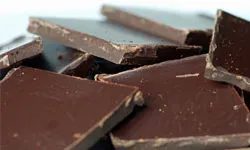
We often look in the mirror and blame time for every line and wrinkle. But ultraviolet radiation is arguably the bigger culprit. It accelerates skin aging aggressively. Interestingly, a bar of dark chocolate might be your best defense against those rays.
Cocoa beans hold a higher antioxidant capacity than any other food on the planet. This isn’t just marketing fluff. The high concentration of antioxidant flavanols in cocoa actively reduces skin inflammation caused by UV exposure. It’s a biological shield. Eating dark chocolate also boosts circulation in the skin. This improved blood flow helps the tissue retain moisture. The result? Wrinkles become less noticeable. You look younger.
But here is the catch. Not all chocolate works. Milk chocolate offers little to no protection. The refining process used to make other kinds of chocolate strips away most of those skin-benefiting antioxidant flavanols. You need the dark stuff. Specifically, dark chocolate provides the greatest anti-aging benefits because it retains the cocoa solids where the magic happens.
Beans: The Underrated Heart Hero
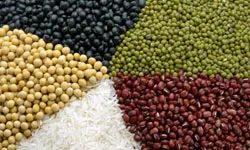
Beans get a bad rap for one reason: gas. They’re gassy. But that’s a small price to pay for one of the most powerful dietary staples in existence.
For those avoiding meat, beans are an excellent source of low-fat protein. They are also packed with fiber. This fiber helps lower cholesterol. Beans are rich in antioxidants too. They’re chock-full of vitamins and minerals, including iron, vitamin B, and potassium.
“Some beans contain protease inhibitors and genistein, which are thought to help protect against cancer.”
It gets better. Soy and kidney beans contain protease inhibitors and genistein. These compounds are linked to cancer protection. Studies show that people with high levels of genistein had the lowest rates of breast and prostate cancers. That’s a specific, measurable benefit.
Because beans deliver so many health benefits, they’re often labeled a “super food.” It’s an informal term, but it sticks. These foods help you meet several dietary needs at once. They fight disease. They slow aging. Other foods in this category include blueberries, yogurt, eggs, nuts, broccoli, and sweet potatoes. But beans remain a cornerstone.
Fish Oil and the Longevity Factor
Fish oil supplements have exploded in popularity. There’s a reason for that trend. Eating fish—or taking the supplement—provides omega-3 fatty acids. These acids protect against heart disease. They reduce inflammation. They decrease the risk of arrhythmia. They lower blood pressure.
Omega-3s are found largely in coldwater fish. Salmon, herring, tuna, and sardines are the primary sources.
The data on longevity is compelling. Studies show people who eat a lot of fish live longer. One study of middle-aged American men found that those eating fish two to three times per week had a 40 percent lower mortality rate than non-fish eaters. It gets more specific for those with existing conditions. In men who had previously suffered a heart attack, eating fish twice a week lowered mortality rates by 29 percent.
Fish is also a great source of protein. Unlike other meats, it is low in saturated fat. The American Heart Association recommends eating omega-3-rich fish at least two times per week. It’s a simple directive with huge potential returns.
Green Vegetables and UV Defense
Fruits and vegetables are among the best sources of antioxidants available. They fight free radicals. They slow the effects of aging. But which vegetables work best?
Green, leafy vegetables like spinach and kale are top tier. They contain lutin and zeaxanthin. These antioxidants protect against the negative effects of UV exposure. It’s a direct parallel to the cocoa story, but from a different angle.
Vegetables provide vitamins A, C, K, and E. They fortify the immune system. A diet full of vegetables helps prevent cardiovascular disease. It lowers high blood pressure. After a heart attack or stroke, veggies help lower cholesterol and unclog arteries. The impact on cancer risk is significant too. Eating lots of veggies and fruit could reduce the risk of digestive tract cancer—including colon and stomach cancer—by up to 25 percent.
Raw vs. Cooked: The Trade-Off
How you prepare vegetables changes their chemical profile. There’s no single correct way.
Boiling or steaming vegetables like carrots, spinach, asparagus, and peppers can boost their antioxidant benefits. However, this method wipes out vitamin C. It’s a trade-off.
Other vegetables, such as broccoli and cauliflower, are healthier raw. Cooking them can destroy certain nutrients. But cooking broccoli produces a compound called indole. This compound helps kill precancerous cells.
Either way you choose to eat them, veggies are good for you. The method comes down to personal preference and which specific health benefit you prioritize.
Nuts: The Calorie Paradox
Nuts are known for protein. That’s not all they do. Nuts of all kinds are a good source of unsaturated fats. Like coldwater fish, nuts contain omega-3 fatty acids. These are great for heart health.
Nuts are also rich in specific minerals. They provide potassium, which helps lower blood pressure. They contain vitamin E, which prevents cell damage. Calcium is present too, helping maintain strong bones.
But nuts have a unique property regarding weight management. They fill you up without packing on the pounds. Why? Up to 20 percent of the calories in nuts doesn’t get absorbed by the body. The structure of the nut traps some of the fat and calories. This makes them a great snack between meals. You get the nutrition without the full caloric impact you might expect.
Why Red Wine Might Be Your Heart’s Best Friend
You’ve probably heard the mantra: one glass of red wine a day keeps the cardiologist away. Turns out, there’s substance to the slogan. It isn’t just about the buzz. The antioxidants and nutrients packed into red wine actively protect the arteries and the delicate lining of your blood vessels. That protection helps fend off heart disease.
The star player here is resveratrol. It’s an antioxidant widely recognized for its anti-aging potential. Research suggests it does heavy lifting: preventing blood clots, lowering bad cholesterol, reducing inflammation, and potentially lowering cancer risk.
Then there’s the alcohol itself. In moderation, alcohol helps keep blood clots at bay. It nudges good cholesterol up and bad cholesterol down. So the combination is potent.
But does white wine offer the same perks? Not quite. Resveratrol lives primarily in grape skins. Red wine gets its color and its potency from staying in contact with those skins longer. White wine? Skins are removed early. Less contact means less resveratrol. If you want the compound without the alcohol, eat grapes. Drink grape juice. You’ll still get the antioxidants.
The Digestive Power of Whole Grains
Whole grains are famous for keeping things moving. The fiber content ensures regularity. It sweeps bad cholesterol and fats out of the body. But fiber does more than just aid digestion. It controls appetite. It keeps blood sugar levels steady. That stability matters for long-term health.
Diets rich in oats, whole wheat, and brown rice carry extra benefits. They are dense with vitamins and minerals. These nutrients play a role in slowing down the aging process. More importantly, they link to a lower risk of heart disease, stroke, and diabetes.
The catch? You must avoid refined grains. Refining strips away the essential vitamins and minerals. It leaves you with empty calories. The health benefits vanish. To get the anti-aging boost, you need the whole grain. Not the refined version.
Garlic: More Than Just Flavor
Garlic has been a staple in kitchens and clinics for centuries. It adds flavor. But its health profile is arguably stronger. It lowers cholesterol. It reduces blood pressure. It curbs inflammation. It protects cell health.
Perhaps its most significant role is immune support. Folk medicine has used garlic to fight infections for ages. Science now backs this up. Garlic acts as an anti-viral and anti-bacterial agent. It boosts the immune system naturally.
There’s also the cancer connection. Studies show a clear trend: more garlic consumption correlates with lower risks of stomach and intestinal cancers. This holds true for both cooked and uncooked garlic. Some research even links it to reduced rates of breast and pancreatic cancers.
The Hydrogen Sulfide Factor
Recent studies point to hydrogen sulfide as a key mechanism behind garlic’s benefits. This compound is an antioxidant. It relaxes arteries. It promotes blood flow. It may even help defend against cancer.
Your body produces hydrogen sulfide naturally. But eating garlic triggers your cells to produce more of it. That extra production amplifies the health benefits. It’s a simple dietary change with a complex, powerful biological response.
Avocado: The Creamy Guardian
Avocados are often praised for their healthy fats. But they offer more than just monounsaturated lipids. They are packed with potassium, fiber, and vitamins K, C, and E. These nutrients support heart health. They help regulate blood pressure.
The fiber in avocados aids digestion. It promotes satiety. This can help with weight management. Keeping a healthy weight reduces strain on the heart. It lowers the risk of type 2 diabetes.
Avocados also contain lutein. This antioxidant supports eye health. It may reduce the risk of cataracts and macular degeneration. As we age, vision issues become more common. Lutein offers a layer of protection.
The skin of the avocado is edible. It contains fiber and antioxidants. Peeling it removes some of the benefits. Some people eat the skin. Most do not. Both choices have merit. Eating the flesh provides the creamy texture and healthy fats. Eating the skin adds extra fiber.
Where do avocados fit into a daily diet? They are versatile. Add them to salads. Spread them on toast. Blend them into smoothies. They pair well with savory dishes. They can stand alone. The key is consistency. Regular consumption yields the best results.
Is there a downside? Calories. Avocados are energy-dense. Portion control matters. A quarter to a half an avocado is a typical serving. This provides the benefits without excessive calorie intake. Balance is key.
The trend toward plant-based diets often highlights avocados. They replace less healthy fats. They add texture and flavor. They support overall cardiovascular health. The evidence supports their inclusion in a heart-healthy diet.
What about the environment? Avocado farming can be water-intensive. Sourcing matters. Look for sustainably grown options. Supporting ethical farming practices aligns with personal health. It supports planetary health too.
You don’t need to eat avocados daily. But incorporating them regularly makes sense. They are nutrient-dense. They are satisfying. They taste good. That combination is hard to beat.
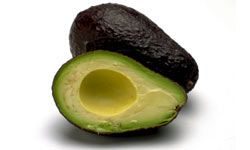
Avocados are often dismissed as mere toppings, but their nutritional profile suggests they deserve a more central role in anti-aging strategies. Whether sliced onto toast or blended into guacamole, this fruit offers a dense concentration of nutrients that directly impact how your body ages.
The combination of vitamin E, potassium, and monounsaturated fats creates a synergistic effect. These components do not work in isolation. Vitamin E acts as a powerful antioxidant, shielding cells from oxidative stress that accelerates aging. Potassium helps regulate blood pressure, while the healthy fats support cellular integrity.
Cholesterol and Cardiovascular Protection
One of the most significant benefits of regular avocado consumption involves lipid management. Oleic acid, a primary monounsaturated fat found in avocados, plays a specific role in heart health. Research indicates that oleic acid can lower low-density lipoprotein (LDL), often termed “bad” cholesterol, while simultaneously raising high-density lipoprotein (HDL), or “good” cholesterol.
This shift in cholesterol levels is not merely cosmetic. It reduces the risk of plaque buildup in arteries. Additionally, oleic acid exhibits properties that help prevent blood clots, further reducing the risk of stroke and heart attack.
Folate and Bone Density
Avocados are also a notable source of folates, also known as folic acid or vitamin B9. The presence of folates links avocado consumption to two distinct long-term health outcomes: cardiovascular protection and bone health.
High folate levels are associated with a reduced risk of heart attacks. This is partly because folates help regulate homocysteine, an amino acid that, in excess, can damage blood vessels. Beyond the heart, folates contribute to maintaining bone density. Adequate intake may help reduce the risk of osteoporosis, a condition that becomes more prevalent as we age and bone mass naturally declines.
Skin Health and Blood Pressure
The skin is often the first organ to show signs of aging. The antioxidants and healthy fats in avocados provide direct support here. Vitamin E protects skin cells from UV damage and free radical injury. Monounsaturated fats help maintain the lipid barrier of the skin, keeping it hydrated and supple.
Simultaneously, the high potassium content aids in lowering blood pressure. High blood pressure is a silent contributor to vascular aging, affecting not just the heart but also the eyes and kidneys. By keeping blood pressure in a healthy range, avocados help protect these organs over the long term.
Dietary Integration
Integrating avocados into your diet does not require drastic changes. The key is consistency. The nutrients in avocados are bioavailable, meaning your body can use them effectively when consumed as part of a balanced diet.
For those looking to optimize their diet for longevity, avocados offer a multifaceted approach. They address heart health, bone density, skin integrity, and blood pressure regulation simultaneously. While no single food is a cure-all, the evidence supports making avocados a regular part of your nutritional routine.
The question is not whether avocados work, but how you can incorporate them sustainably. Start with small portions. Observe how they fit into your existing meals. The benefits accumulate over years, not days.