




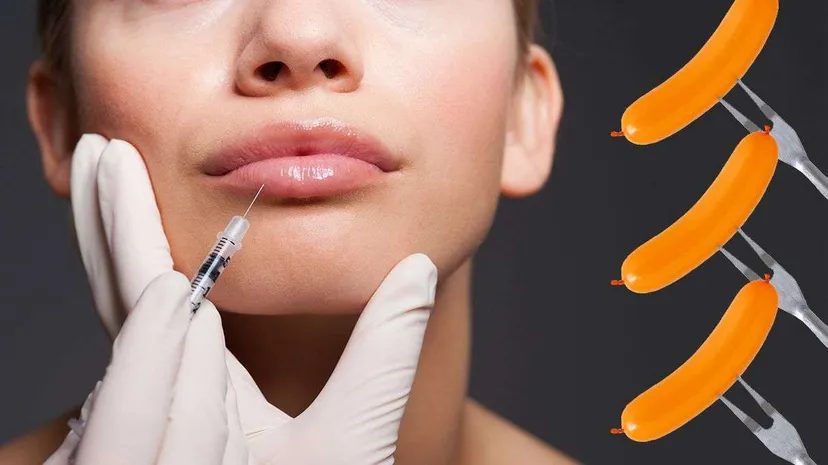
It feels like a modern miracle. You walk into a clinic, get a quick jab, and frown lines vanish by the next morning. But the story behind that popular cosmetic treatment, Botox, is less about high-tech science and more about some pretty rotten meat from two centuries ago.
The connection between wrinkle reduction and the deadly botulinum toxin traces back to a batch of killer sausages in early 19th-century Germany. That’s where Justinus Kerner, a German physician, first suspected the source of a muscle-relaxing poison. At the time, questionable sausage was standard fare. During the Napoleonic Wars, mysterious outbreaks of “sausage poisoning” killed scores of people. Kerner got wise to the cause. He tested hundreds of sausages. He even injected himself with the suspected toxin.
His rigorous self-experimentation made him the first to identify and publish a clinical description of the toxin and its effects.
How Clostridium Botulinum Turns Food Into a Weapon
Food-borne botulism strikes when we eat items infected with spores of Clostridium botulinum microbes. This bacteria is nearly bulletproof. It lives in soil around the globe. When it contaminates meat or occasionally produce, it flourishes in oxygen-depleted environments.
This creates a deadly pairing with poorly preserved foods and salted meats. The conditions are perfect for the microbe to thrive. The result is a toxin that causes vision problems, difficulty swallowing, vomiting, and severely weakened muscles.
Harnessing a Deadly Toxin for Medical and Cosmetic Use
People are resourceful, though. They figured out how to harness this toxin and focus its effects in specific ways. The most visible example is the brand-name serum Botox. Its popularity has jumped by more than 700 percent since 2000, according to the American Society of Plastic Surgeons.
This surge only reflects cosmetic use. It’s not all it does. Botulinum toxin helps treat a range of medical maladies. It controls excessive sweating. It alleviates migraines. It also relaxes the perpetually contracted muscles of people who have cerebral palsy.
The Long, Dubious History of Beauty
The art of looking good has a history just as dubious as the toxin itself. Ancient Egyptians painted their eyelids with a toxic cocktail of copper ore and lead. The exposure led to insomnia and brain damage. Greeks smeared their faces with a lead-based cream. It eventually caused madness.
Sacrificing health for beauty may seem ridiculous now. But it’s not as far removed as you might think.
We still use mercury in some eye cosmetics as a preservative, although some states have banned the element. In 2007, one-third of 33 red lipsticks examined by a safe cosmetics advocacy group were found to contain lead. As of 2016, the U.S. Food and Drug Administration doesn’t have a set limit for lead in cosmetics.
The country does have a set of standards for commercial cured meat production. This regulation has made most cases of botulinum toxin poisoning a thing of the past.
During World War II, the U.S. military considered using botulinum as a biological weapon; one of the never-realized plans involved employing prostitutes to poison the food and drink of rival military officers.
The irony remains. We regulate our sausage but struggle to regulate our lipstick. We kill a toxin to erase wrinkles while leaving other poisons in our makeup bags. The line between beauty and danger hasn’t moved much since the 1800s. It just looks cleaner now.